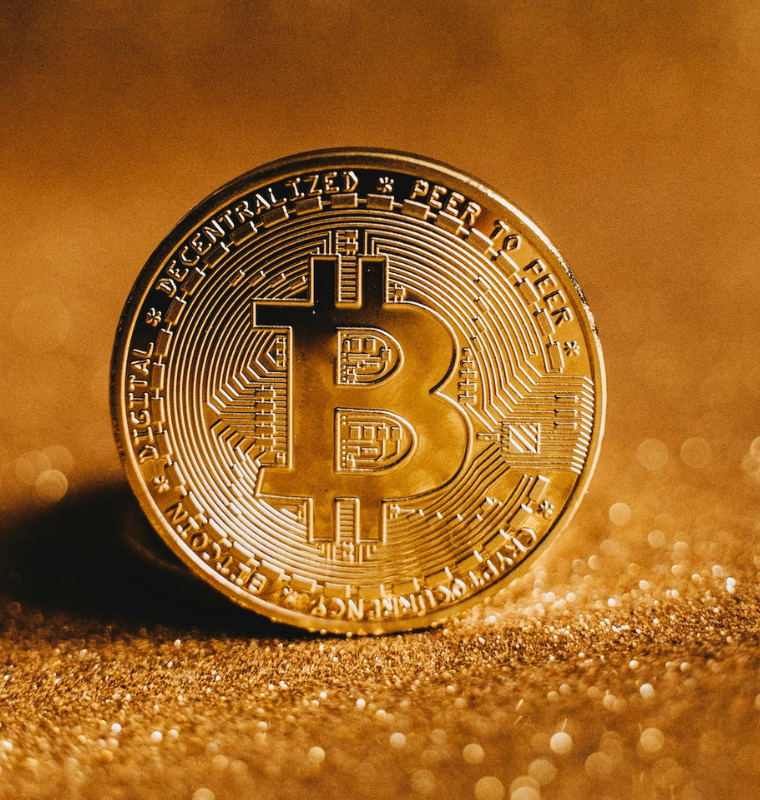
Ethereum and Major Altcoins Surge as Crypto Market Momentum Strengthens

Ethereum and Major Altcoins Surge as Crypto Market Momentum Strengthens
By
David Goldfarb
Last updated:
June 7, 2026
First Published:
June 7, 2026

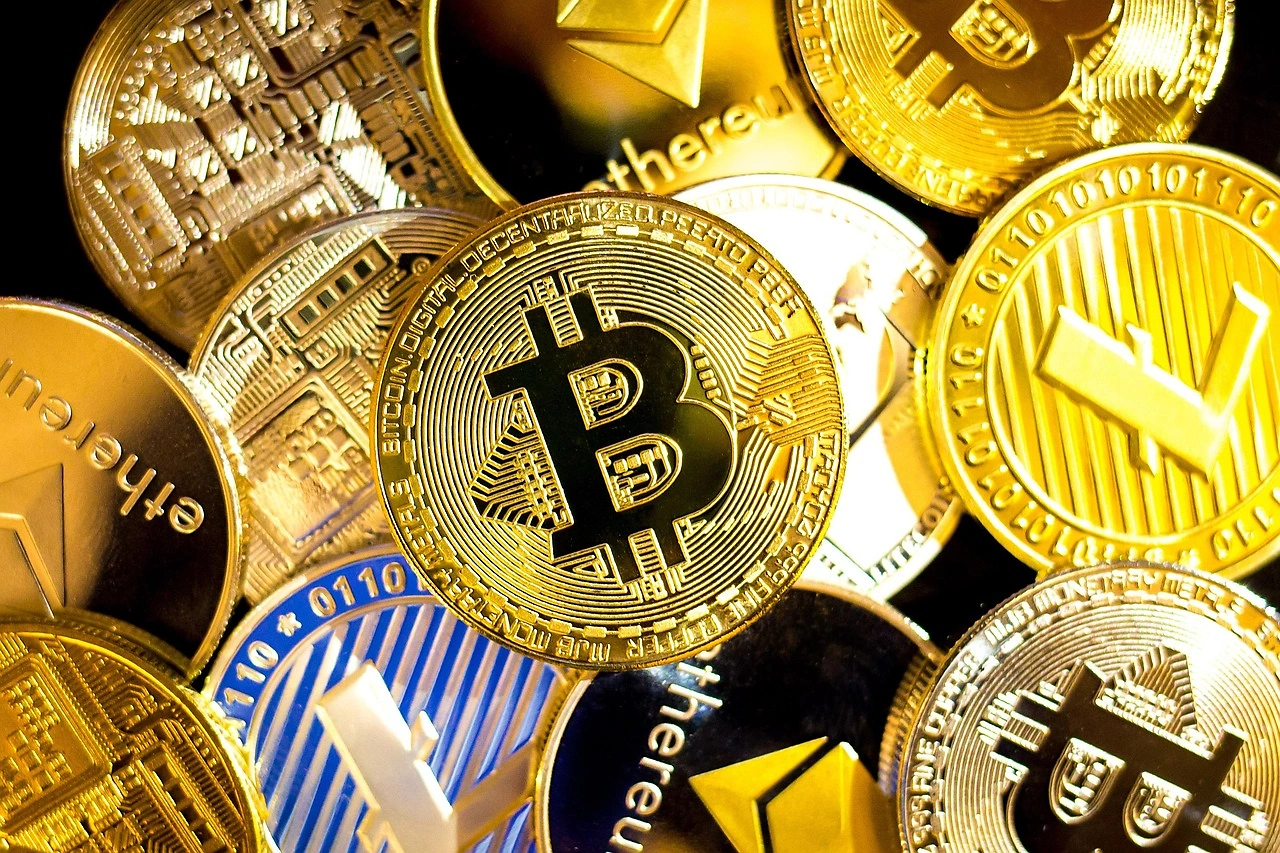
Photo: IndexBox
Market Sentiment Turns Positive After Recent Volatility
The cryptocurrency market entered a strong recovery phase as Ethereum and several leading altcoins posted notable gains following a period of uncertainty. After days of fluctuating prices and cautious sentiment, buyers returned with renewed confidence, pushing major digital assets into an upward trajectory.
This shift in momentum reflects a broader change in investor psychology. Fear driven selling began to ease as market participants reassessed value levels and identified opportunities across multiple blockchain ecosystems.
Ethereum Leads the Recovery Phase
Ethereum emerged as one of the strongest performers during the rebound. As the second largest cryptocurrency by market presence, its price movement often sets the tone for the wider altcoin sector.
In this recovery phase, Ethereum attracted significant buying interest from both retail and institutional participants. Increased network activity and renewed engagement with decentralized applications contributed to the positive momentum.
Developers and users continue to rely on Ethereum for smart contract execution, decentralized finance platforms, and non fungible token infrastructure, reinforcing its central role in the digital asset economy.
Altcoins Follow Bitcoin and Ethereum Higher
As Ethereum gained strength, a wide range of altcoins followed with upward price movement. Tokens across decentralized finance, gaming, infrastructure, and payment networks all benefited from improved sentiment.
Many investors rotated capital into smaller digital assets in search of higher returns, a common behavior during recovery cycles. This rotation helped amplify gains across the broader market.
The synchronized movement among different sectors of the crypto ecosystem highlighted the interconnected nature of digital assets and their shared dependence on overall market confidence.
Increased Trading Activity Signals Returning Confidence
Trading volumes rose noticeably during the recovery, indicating that market participation was not limited to passive price movement. Active buying and selling contributed to more dynamic price action across major exchanges.
Higher trading activity is often viewed as a sign of healthier market conditions, as it reflects engagement from a wide range of participants. This includes individual traders, algorithmic systems, and institutional desks.
The increase in liquidity also helped stabilize price fluctuations, reducing the intensity of rapid swings that had characterized previous sessions.
Decentralized Finance Tokens Regain Momentum
Decentralized finance tokens experienced a strong rebound as investor interest returned to blockchain based financial services. Platforms offering lending, borrowing, and automated trading solutions saw renewed attention.
The recovery in this sector suggests that long term confidence in decentralized financial infrastructure remains intact despite previous volatility. Many investors continue to view decentralized finance as a foundational layer of the broader crypto ecosystem.
As capital flows returned, several projects recorded improved activity metrics, including total value locked and transaction frequency.
Layer One and Infrastructure Projects Strengthen
Beyond Ethereum, other layer one blockchain networks also benefited from the market upswing. These networks provide the underlying architecture for decentralized applications and often move in correlation with broader market trends.
Infrastructure focused projects, including scaling solutions and interoperability protocols, also experienced renewed interest. Investors appear increasingly focused on long term technological development rather than purely speculative trading.
This shift suggests that the market may be entering a phase where fundamental utility plays a larger role in valuation.
Institutional Participation Supports Market Stability
Institutional investors continued to play a key role in supporting market recovery. Their participation adds depth and stability to the cryptocurrency ecosystem, particularly during periods of volatility.
Many professional investors treat market downturns as accumulation opportunities, gradually increasing exposure to digital assets when prices become more favorable. This behavior contributed to the strength of the rebound.
The presence of institutional capital also helps reduce extreme price inefficiencies, making the market more resilient over time.
Retail Investors Reenter the Market
Retail participation increased alongside institutional activity, contributing to broader demand across major cryptocurrencies. Many individual investors returned after observing early signs of recovery in leading assets.
Social sentiment improved as prices stabilized and began trending upward. This renewed optimism encouraged additional inflows from smaller investors seeking to capitalize on momentum.
The combination of retail enthusiasm and institutional support created a balanced demand environment that strengthened overall market performance.
Technical Recovery Supports Further Upside Potential
From a technical perspective, the market recovery helped several major assets reclaim important price levels. These recoveries are often interpreted by traders as signals that downward pressure is weakening.
Momentum indicators across multiple timeframes began showing improvement as buying pressure outweighed selling activity. This shift suggests that the recent rally may have structural support rather than being purely speculative.
However, analysts continue to emphasize that volatility remains an inherent characteristic of digital asset markets.
Broader Crypto Ecosystem Benefits from Rally
The positive movement in Ethereum and altcoins had a spillover effect across the entire cryptocurrency ecosystem. Blockchain related sectors such as gaming, digital identity, and tokenized assets also experienced improved sentiment.
As confidence returns, developers and investors are more likely to accelerate activity within these ecosystems. This includes new project launches, increased funding rounds, and expanded user adoption.
The recovery highlights how interconnected the crypto industry has become, where strength in major assets often drives activity across emerging sectors.
Outlook for the Next Phase of Market Growth
Looking ahead, market participants are closely watching whether the current momentum can sustain itself. Continued strength in Ethereum and major altcoins could signal the beginning of a broader upward cycle.
Key factors such as macroeconomic conditions, regulatory developments, and technological innovation will likely influence future price direction.
For now, the recovery represents a meaningful shift in sentiment, demonstrating that despite volatility, investor interest in digital assets remains strong and actively evolving.

Popular articles



Subscribe to unlock premium content
Imran Khan’s Economic Missteps Amid Political Chaos in Pakistan

The Philippines’ Digital Shift How Remittances and BPO Are Fueling Growth

Is the Era of Globalization Over or Just Evolving?
Imran Khan’s Economic Missteps Amid Political Chaos in Pakistan
The Philippines’ Digital Shift How Remittances and BPO Are Fueling Growth
Imran Khan’s Economic Missteps Amid Political Chaos in Pakistan