
Lawmakers Consider New Restrictions on Crypto Prediction Markets Amid Rising Regulatory Concerns

Lawmakers Consider New Restrictions on Crypto Prediction Markets Amid Rising Regulatory Concerns
By
Alina Sinclair
Last updated:
June 7, 2026
First Published:
June 7, 2026


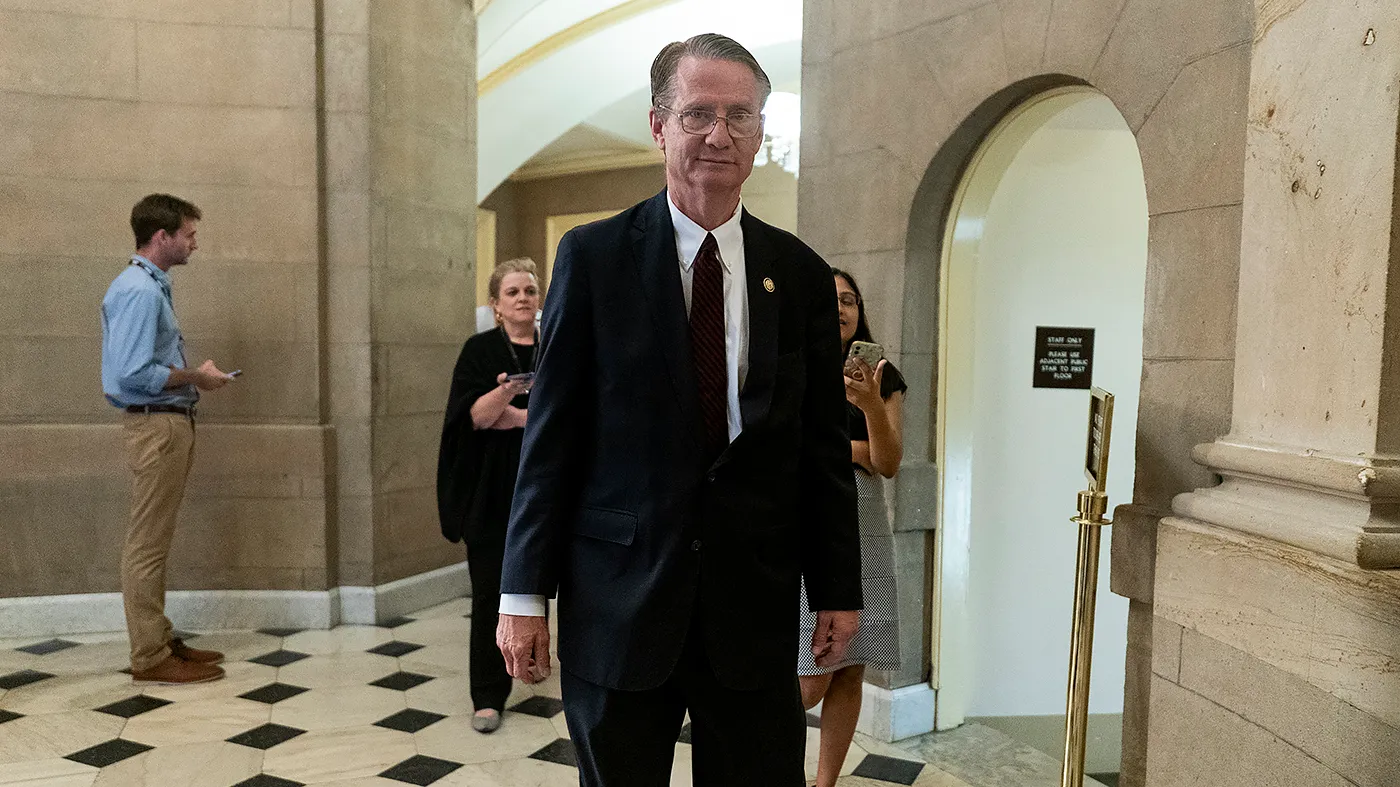
Photo: Sports Business Journal
Regulatory Scrutiny Intensifies Around Prediction Markets
Global regulators are increasingly focusing on crypto based prediction markets, raising concerns about transparency, market manipulation risks, and political influence. The latest discussions among lawmakers suggest potential new restrictions that could limit participation by certain categories of individuals, including government officials and politically exposed persons.
Prediction markets, which allow users to trade outcomes of real world events, have grown rapidly within the broader cryptocurrency ecosystem. Their expansion has prompted renewed attention from policymakers seeking to ensure fair usage and prevent conflicts of interest.
Concerns Over Political Influence in Market Based Forecasting
One of the central issues driving regulatory interest is the possibility that political actors could use prediction markets to influence or benefit from event based trading. Lawmakers argue that unrestricted participation could create ethical conflicts if individuals with insider access engage in markets tied to policy decisions or elections.
These concerns have led to proposals aimed at limiting participation by government officials in certain categories of prediction market activity. The goal is to maintain integrity and avoid scenarios where market positions could be influenced by non public information.
Growth of Crypto Prediction Platforms
Crypto prediction markets have experienced significant growth due to their decentralized structure and accessibility. These platforms allow users to speculate on outcomes ranging from elections and economic indicators to entertainment and sports events.
Supporters argue that prediction markets provide valuable crowd sourced forecasting data that can outperform traditional polling methods. They also highlight the transparency and efficiency offered by blockchain based settlement systems.
However, critics emphasize the risks of misinformation, manipulation, and regulatory ambiguity.
Legal Classification Challenges
A major challenge for regulators is determining how prediction markets should be classified under existing financial laws. Depending on their structure, these platforms may resemble gambling services, derivatives markets, or information forecasting tools.
This classification ambiguity complicates enforcement and creates inconsistent regulatory approaches across different jurisdictions. Policymakers are now working to define clearer legal frameworks to address these gaps.
Impact on Crypto Exchanges and Platforms
If new restrictions are implemented, crypto exchanges and prediction market platforms could face operational changes. This may include stricter identity verification requirements, trading limitations, or enhanced compliance reporting obligations.
Platforms operating in decentralized environments may face additional scrutiny as regulators attempt to apply rules to non traditional financial systems.
These developments could reshape how prediction markets integrate with broader cryptocurrency infrastructure.
Institutional and Retail Reaction
Institutional participants are closely monitoring regulatory developments, as uncertainty could impact product offerings and market participation strategies. Some institutions may reduce exposure to prediction market related products until clearer rules are established.
Retail users, meanwhile, continue to engage actively with these platforms, attracted by their interactive and speculative nature. However, increased regulation could alter user behavior by introducing compliance friction.
Balancing Innovation and Oversight
Policymakers face a complex balancing act between encouraging financial innovation and maintaining regulatory safeguards. Prediction markets represent a relatively new financial instrument that blends elements of trading, forecasting, and gambling.
Regulators are attempting to ensure that innovation does not outpace the development of appropriate oversight mechanisms. Industry participants argue that overly restrictive rules could stifle innovation in decentralized information markets.
Potential Global Regulatory Divergence
Different countries are likely to adopt varying approaches to crypto prediction markets. Some jurisdictions may embrace them as legitimate financial tools, while others may impose stricter controls or outright restrictions.
This divergence could lead to fragmentation in the global prediction market ecosystem, with platforms adapting their operations based on regional compliance requirements.
Technology Developers Respond to Uncertainty
Blockchain developers working on prediction market infrastructure are increasingly focused on compliance friendly design. This includes enhanced identity layers, transparent governance mechanisms, and modular platform structures that can adapt to regulatory changes.
Such adaptations aim to ensure long term sustainability of prediction market platforms within evolving legal frameworks.
Outlook for Prediction Market Regulation
The ongoing debate over prediction market restrictions reflects broader uncertainty about how decentralized financial systems should be governed. As lawmakers continue to evaluate risks and benefits, regulatory clarity remains a key priority.
Future decisions will likely shape not only prediction markets but also the wider landscape of decentralized finance. The outcome of these discussions could determine how freely users can participate in event driven crypto trading platforms in the years ahead.
Popular articles



Subscribe to unlock premium content
Imran Khan’s Economic Missteps Amid Political Chaos in Pakistan

The Philippines’ Digital Shift How Remittances and BPO Are Fueling Growth

Is the Era of Globalization Over or Just Evolving?
Imran Khan’s Economic Missteps Amid Political Chaos in Pakistan
The Philippines’ Digital Shift How Remittances and BPO Are Fueling Growth
Imran Khan’s Economic Missteps Amid Political Chaos in Pakistan