
Donald Trump Reaffirms Vision to Make the United States the Global Crypto Capital

Donald Trump Reaffirms Vision to Make the United States the Global Crypto Capital
By
David Goldfarb
Last updated:
May 28, 2026
First Published:
May 28, 2026

Getty Images
Cryptocurrency Moves Closer to the Center of American Politics
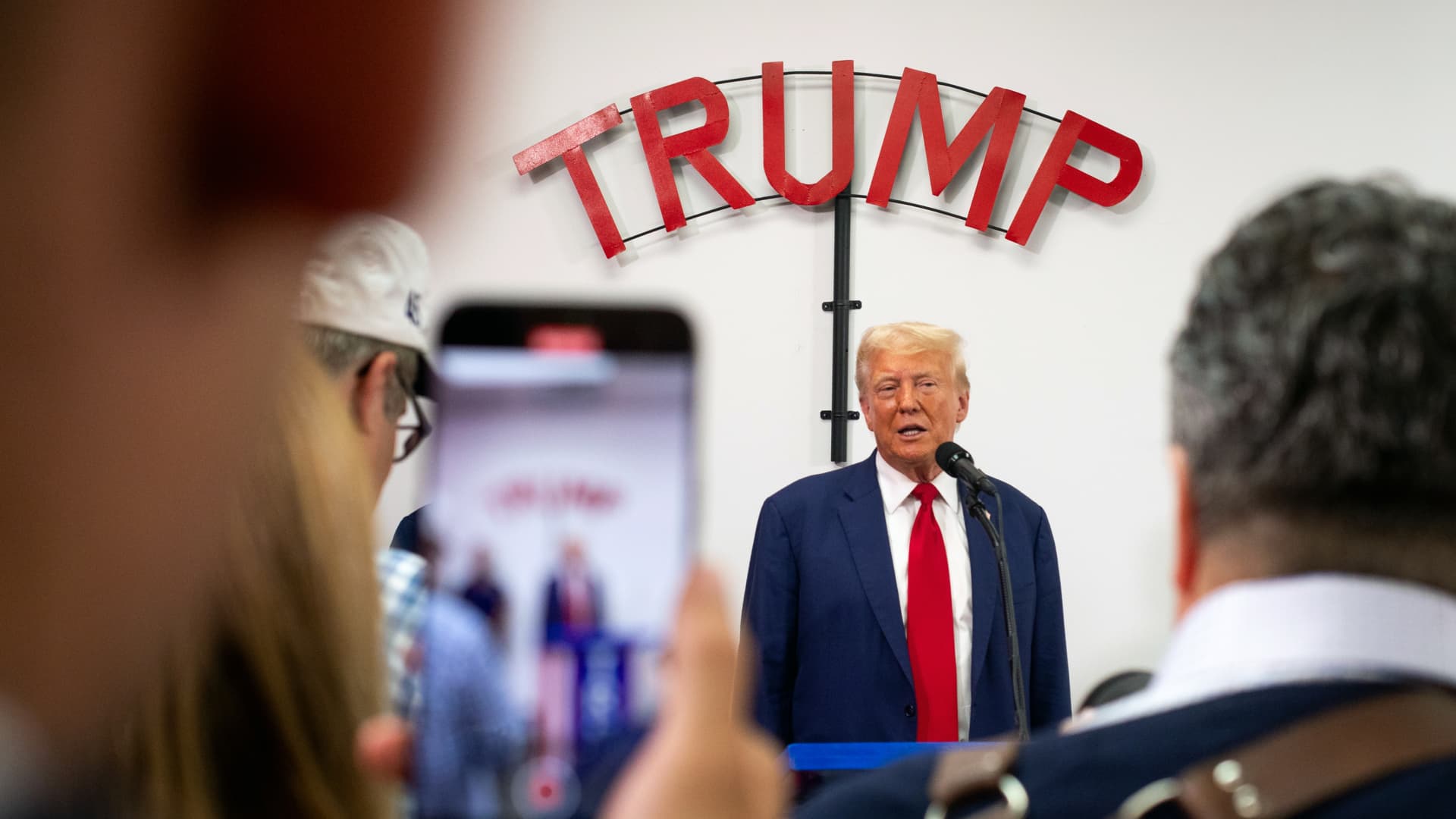
The cryptocurrency industry received another major political boost during the final week of May 2026 after Donald Trump once again declared his intention to transform the United States into the global capital of cryptocurrency innovation. His comments quickly spread across financial markets social media platforms and blockchain communities where investors and entrepreneurs closely monitor political attitudes toward digital assets.
Trump’s latest remarks arrived at a time when cryptocurrency regulation has become one of the most important financial discussions in the United States. Over the past several years digital assets have evolved from a niche technology experiment into a powerful financial sector influencing investment trends payment systems and global economic strategy.
The growing involvement of political leaders reflects how deeply cryptocurrency has entered mainstream economic and policy conversations.
Trump Positions Himself as a Pro Crypto Candidate
Donald Trump has increasingly aligned himself with the cryptocurrency industry during recent political campaigns and public appearances. While earlier years saw skepticism from some political figures regarding Bitcoin and digital assets recent developments have shifted the tone dramatically.
Trump now regularly presents cryptocurrency as a strategic economic opportunity capable of strengthening American financial leadership. His statements often focus on innovation technological competitiveness and reducing dependence on outdated financial systems.
Supporters within the blockchain sector believe a more crypto friendly administration could accelerate industry growth through clearer regulation lower operational barriers and stronger institutional participation.
Many investors also view political backing as an important factor influencing long term market confidence.
The United States Faces Global Competition in Digital Finance
One of the key themes behind Trump’s crypto vision involves international competition. Several countries including the United Arab Emirates Singapore Switzerland and Hong Kong have actively developed policies designed to attract blockchain companies and digital asset investment.
These nations have introduced clearer legal frameworks tax incentives and specialized financial zones aimed at becoming major cryptocurrency hubs. As a result many blockchain startups and exchanges expanded operations outside the United States during periods of intense American regulatory pressure.
Trump’s comments appear aimed at reversing that trend by encouraging crypto innovation to remain inside the American economy.
Industry leaders frequently argue that the United States risks losing technological leadership if regulators continue creating uncertainty for digital asset businesses.
Bitcoin and Crypto Markets React to Political Optimism
Political support for cryptocurrency often influences market sentiment because investors closely watch government attitudes toward regulation taxation and financial innovation. Trump’s latest remarks generated optimism among sections of the crypto community that hope for more favorable policies in the future.
Bitcoin traders and blockchain entrepreneurs interpreted the comments as another sign that digital assets are becoming increasingly accepted within mainstream political circles. Some analysts believe pro crypto political narratives could encourage additional institutional investment over time.
The cryptocurrency industry has matured significantly compared to earlier years when many politicians viewed digital assets primarily as speculative or risky technologies. Today discussions increasingly focus on economic competitiveness national security financial infrastructure and technological innovation.
This transformation has elevated cryptocurrency into a strategic political issue rather than simply a financial trend.
Regulation Remains the Biggest Industry Concern
Despite growing political support the cryptocurrency industry continues facing major regulatory uncertainty across the United States. Several exchanges blockchain firms and decentralized finance projects remain involved in ongoing legal disputes with government agencies.
Many companies argue that unclear regulations make it difficult to innovate responsibly inside the country. Entrepreneurs often complain that businesses are forced to operate without clear guidance regarding securities laws token classifications and compliance standards.
Trump’s vision of creating a crypto capital therefore depends heavily on whether future administrations and lawmakers can establish more predictable regulatory frameworks.
Industry participants repeatedly emphasize that innovation thrives best in environments where rules are transparent consistent and supportive of long term investment.
Institutional Investors Continue Expanding Crypto Exposure
Another important factor supporting the political importance of cryptocurrency is the rise of institutional participation. Large investment firms hedge funds asset managers and banks now maintain significant exposure to Bitcoin and other digital assets.
Spot Bitcoin exchange traded funds helped accelerate mainstream adoption by allowing traditional investors easier access to cryptocurrency markets. Financial institutions that once avoided digital assets are now actively developing blockchain related products and services.
This institutional expansion has transformed cryptocurrency into a major economic sector capable of influencing broader financial markets. Political leaders therefore increasingly recognize that digital assets represent more than a temporary trend.
The industry now supports jobs investment infrastructure development and technological research across multiple sectors.
Younger Voters Show Strong Interest in Digital Assets
Political analysts also note that cryptocurrency has become particularly popular among younger generations of investors and entrepreneurs. Millions of younger voters actively participate in digital asset markets either through direct investment blockchain development or decentralized finance platforms.
As a result politicians from multiple parties have started addressing cryptocurrency policy more directly during public speeches and campaign discussions. Digital finance is increasingly viewed as an issue connected to economic opportunity innovation and financial independence.
Trump’s public support for cryptocurrency may therefore also represent an attempt to strengthen appeal among technology focused voters who view blockchain as an important part of the future economy.
The political influence of crypto communities has expanded rapidly as adoption continues growing worldwide.
Critics Warn About Market Risks and Speculation
Although many industry supporters welcomed Trump’s comments critics remain cautious about the rapid expansion of cryptocurrency markets. Financial regulators economists and consumer protection advocates continue warning about volatility fraud and speculative trading risks associated with digital assets.
Bitcoin and other cryptocurrencies still experience dramatic price swings that can create significant losses for inexperienced investors. Regulators also remain concerned about market manipulation cybersecurity threats and the use of cryptocurrencies in illegal financial activity.
Critics argue that political enthusiasm should not replace careful oversight and responsible regulation. They believe governments must balance innovation with strong consumer protection measures.
This ongoing debate continues shaping the future direction of crypto policy not only in the United States but across global financial systems.
Blockchain Innovation Extends Beyond Trading
Supporters of cryptocurrency frequently point out that blockchain technology offers value beyond speculative investment. Developers continue building decentralized payment systems tokenized financial products smart contract applications and blockchain based identity solutions.
Artificial intelligence supply chain management gaming and digital ownership systems are also increasingly connected to blockchain infrastructure. Because of this many technology experts believe digital assets represent a broader technological transformation rather than simply a new investment category.
Trump’s comments about making America the crypto capital align with the wider belief that blockchain innovation could become strategically important for future economic competitiveness.
Countries that successfully attract blockchain talent and investment may gain advantages in the next phase of global technological development.
The Future of American Crypto Leadership
The conversation surrounding cryptocurrency in the United States is no longer limited to financial speculation alone. It now involves politics technology global competition and economic strategy at the highest levels.
Donald Trump’s renewed support for digital assets reflects the growing recognition that cryptocurrency has become a major force within modern finance. Whether his vision becomes reality will depend on regulatory reform political cooperation and the ability of the industry to mature responsibly.
For now the crypto sector continues watching American politics closely as investors entrepreneurs and institutions attempt to predict how future leadership could shape the next chapter of blockchain innovation.
One thing is becoming increasingly clear. Cryptocurrency is no longer operating at the edges of the global economy. It is steadily moving toward the center of political financial and technological power.
Popular articles



Subscribe to unlock premium content
Imran Khan’s Economic Missteps Amid Political Chaos in Pakistan
The Philippines’ Digital Shift How Remittances and BPO Are Fueling Growth

Is the Era of Globalization Over or Just Evolving?
Imran Khan’s Economic Missteps Amid Political Chaos in Pakistan
The Philippines’ Digital Shift How Remittances and BPO Are Fueling Growth
Imran Khan’s Economic Missteps Amid Political Chaos in Pakistan