Crypto Valley Conference 2026 Brings Global Blockchain Leaders Together in Switzerland

Crypto Valley Conference 2026 Brings Global Blockchain Leaders Together in Switzerland
By
Alina Sinclair
Last updated:
May 29, 2026
First Published:
May 29, 2026

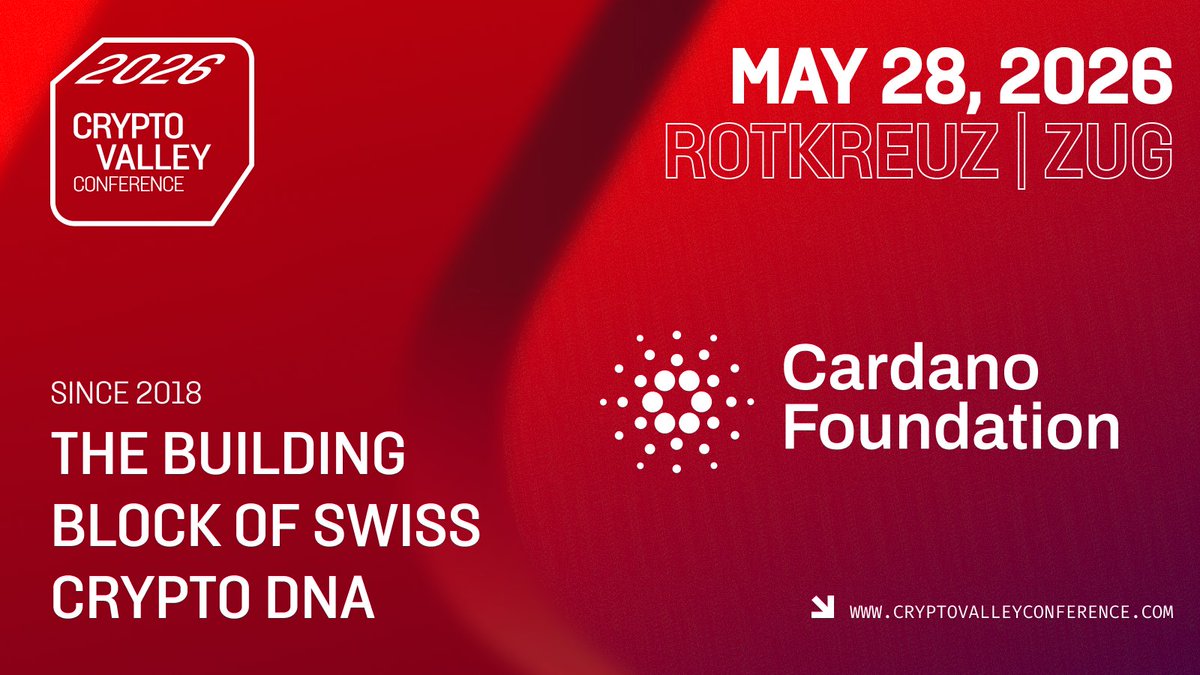
Switzerland Once Again Becomes the Center of Global Blockchain Discussion
The cryptocurrency industry turned its attention toward Switzerland during the final week of May 2026 as the highly anticipated Crypto Valley Conference 2026 officially brought together some of the biggest names in blockchain technology decentralized finance and digital innovation. The annual gathering attracted entrepreneurs developers investors regulators and technology executives from across the world who arrived to discuss the rapidly evolving future of the crypto ecosystem.
Over the years Switzerland has established itself as one of the most respected destinations for blockchain innovation. The country gained international recognition for creating a supportive environment for cryptocurrency companies through balanced regulations financial infrastructure and strong technological development. This reputation transformed the Swiss region known as Crypto Valley into one of the most influential blockchain hubs globally.
The 2026 edition of the conference arrived during a period of rapid transformation for the digital asset industry as artificial intelligence tokenization stablecoins and decentralized finance continue reshaping global finance.
Thousands Attend One of the Industry’s Biggest Blockchain Events
The conference attracted thousands of participants representing every major sector inside the cryptocurrency ecosystem. Startup founders venture capital firms exchange executives blockchain engineers and institutional investors all gathered under one roof to explore the latest developments shaping digital finance.
Panels discussions workshops and networking events covered a wide range of topics including decentralized finance blockchain scalability artificial intelligence integration tokenized real world assets and the future of global crypto regulation.
For many attendees the conference represented more than a networking event. It became an opportunity to evaluate where the industry is heading after years of explosive growth market volatility and increasing mainstream attention.
The atmosphere reflected both excitement and caution as participants debated the opportunities and risks facing blockchain technology moving forward.
Decentralized Finance Remains a Major Focus
One of the most heavily discussed topics during the conference involved decentralized finance commonly known as DeFi. Industry experts explored how blockchain based financial systems are continuing to challenge traditional banking infrastructure through decentralized lending trading payments and yield generation platforms.
Supporters of decentralized finance argue that blockchain technology can create more open accessible and efficient financial systems by reducing reliance on centralized institutions. Developers showcased new protocols designed to improve transaction speed liquidity management and cross chain interoperability.
At the same time regulators and financial analysts raised concerns regarding security vulnerabilities smart contract risks and the lack of consumer protection standards within certain DeFi platforms.
The discussions highlighted the ongoing tension between innovation and regulation that continues shaping the broader crypto industry.
Artificial Intelligence and Blockchain Begin Converging
Another major theme dominating the conference involved the growing relationship between artificial intelligence and blockchain technology. Developers and researchers discussed how decentralized infrastructure could support next generation AI systems while improving transparency data ownership and digital identity verification.
Several startups presented projects combining AI driven automation with blockchain based networks for finance logistics cybersecurity and digital content management. Many experts believe the intersection between these technologies may become one of the most important innovation trends of the next decade.
The conversations reflected a broader industry shift away from simple cryptocurrency speculation toward more advanced technological applications capable of influencing multiple sectors of the global economy.
Attendees repeatedly emphasized that blockchain technology is evolving into infrastructure rather than remaining only an investment trend.
Tokenization Gains Momentum Among Institutions
Institutional interest in tokenized real world assets emerged as another important subject throughout the event. Financial firms continue exploring how blockchain technology can transform ownership structures related to real estate stocks bonds commodities and private investment products.
Tokenization allows traditional assets to be represented digitally on blockchain networks making transactions potentially faster more transparent and more accessible to global investors.
Major financial institutions attending the conference reportedly expressed increasing interest in blockchain based settlement systems and digital asset infrastructure. Analysts believe tokenization may eventually become one of the largest growth sectors within the broader blockchain industry.
The concept attracted strong attention because it bridges traditional finance with decentralized technology in a way that could fundamentally reshape capital markets.
Regulation Continues Defining Industry Conversations
Despite excitement surrounding innovation regulation remained one of the most debated issues throughout the conference. Cryptocurrency companies continue facing uncertainty in several countries where lawmakers struggle to create clear and consistent digital asset frameworks.
Executives repeatedly stressed that long term industry growth depends heavily on balanced regulation capable of encouraging innovation while protecting consumers and financial stability.
Switzerland’s approach to crypto oversight received praise from many participants who described the country as an example of how governments can support blockchain development without stifling innovation.
However speakers also acknowledged that regulatory fragmentation between nations continues creating operational challenges for global crypto businesses.
The industry remains deeply aware that future policy decisions could significantly influence investment growth adoption rates and technological development.
Venture Capital Firms Search for the Next Blockchain Breakthrough
The conference also became a major meeting ground for venture capital investors searching for promising blockchain startups and emerging technologies. Investment firms explored opportunities across sectors including decentralized finance gaming infrastructure cybersecurity and digital identity systems.
Although cryptocurrency markets experienced volatility during recent months many investors remain highly optimistic regarding long term blockchain adoption. Venture capital activity inside the crypto industry continues growing as firms compete to identify projects capable of leading the next stage of digital transformation.
Startups attending the event used the conference to present innovative products establish partnerships and secure funding from global investors.
The strong investor presence demonstrated that despite market fluctuations confidence in blockchain innovation remains substantial.
Switzerland Strengthens Its Blockchain Leadership Position
The success of the Crypto Valley Conference further strengthened Switzerland’s position as one of the most influential blockchain centers in the world. The country continues attracting startups developers financial firms and technology entrepreneurs due to its regulatory clarity stable financial system and innovation friendly environment.
Crypto Valley itself has evolved into a powerful ecosystem supporting hundreds of blockchain companies operating across multiple sectors. Industry leaders frequently describe Switzerland as proof that governments can successfully balance regulation with technological progress.
As competition between global crypto hubs intensifies Switzerland appears determined to maintain its leadership role within the international blockchain economy.
The conference showcased how strategic policy decisions can help countries become major players within emerging technology industries.
Industry Leaders Discuss the Future of Crypto Adoption
Throughout the event speakers repeatedly emphasized that cryptocurrency adoption is entering a new phase focused less on speculation and more on practical utility. Blockchain applications related to payments financial infrastructure digital ownership and decentralized computing are increasingly attracting attention from institutions and governments.
Many experts predicted that blockchain technology could eventually integrate deeply into everyday financial and digital systems without users even realizing they are interacting with decentralized infrastructure.
The industry’s long term vision now extends far beyond simple cryptocurrency trading. Developers and entrepreneurs are actively building systems they believe could reshape finance commerce communication and digital identity on a global scale.
This broader vision dominated many of the most important conversations during the conference.
The Crypto Industry Continues Evolving Rapidly
The Crypto Valley Conference 2026 highlighted both the maturity and complexity of the modern blockchain industry. What once existed primarily as an experimental technology community has transformed into a global ecosystem involving governments financial institutions multinational corporations and advanced technology developers.
While challenges related to regulation security and market volatility remain significant the conference demonstrated that innovation within the sector continues accelerating rapidly.
As blockchain technology expands into artificial intelligence tokenization decentralized finance and digital infrastructure the industry appears increasingly positioned to influence the future structure of the global economy.
The discussions held in Switzerland may ultimately help shape the next chapter of cryptocurrency and blockchain development as the world continues moving deeper into the era of digital finance and decentralized technology.

Popular articles



Subscribe to unlock premium content
Imran Khan’s Economic Missteps Amid Political Chaos in Pakistan

The Philippines’ Digital Shift How Remittances and BPO Are Fueling Growth

Is the Era of Globalization Over or Just Evolving?

Imran Khan’s Economic Missteps Amid Political Chaos in Pakistan
The Philippines’ Digital Shift How Remittances and BPO Are Fueling Growth
Imran Khan’s Economic Missteps Amid Political Chaos in Pakistan