Crypto Market Stabilizes Near 2.6 Trillion as Investors Return to Major Assets

Crypto Market Stabilizes Near 2.6 Trillion as Investors Return to Major Assets
By
David Goldfarb
Last updated:
April 19, 2026
First Published:
April 19, 2026

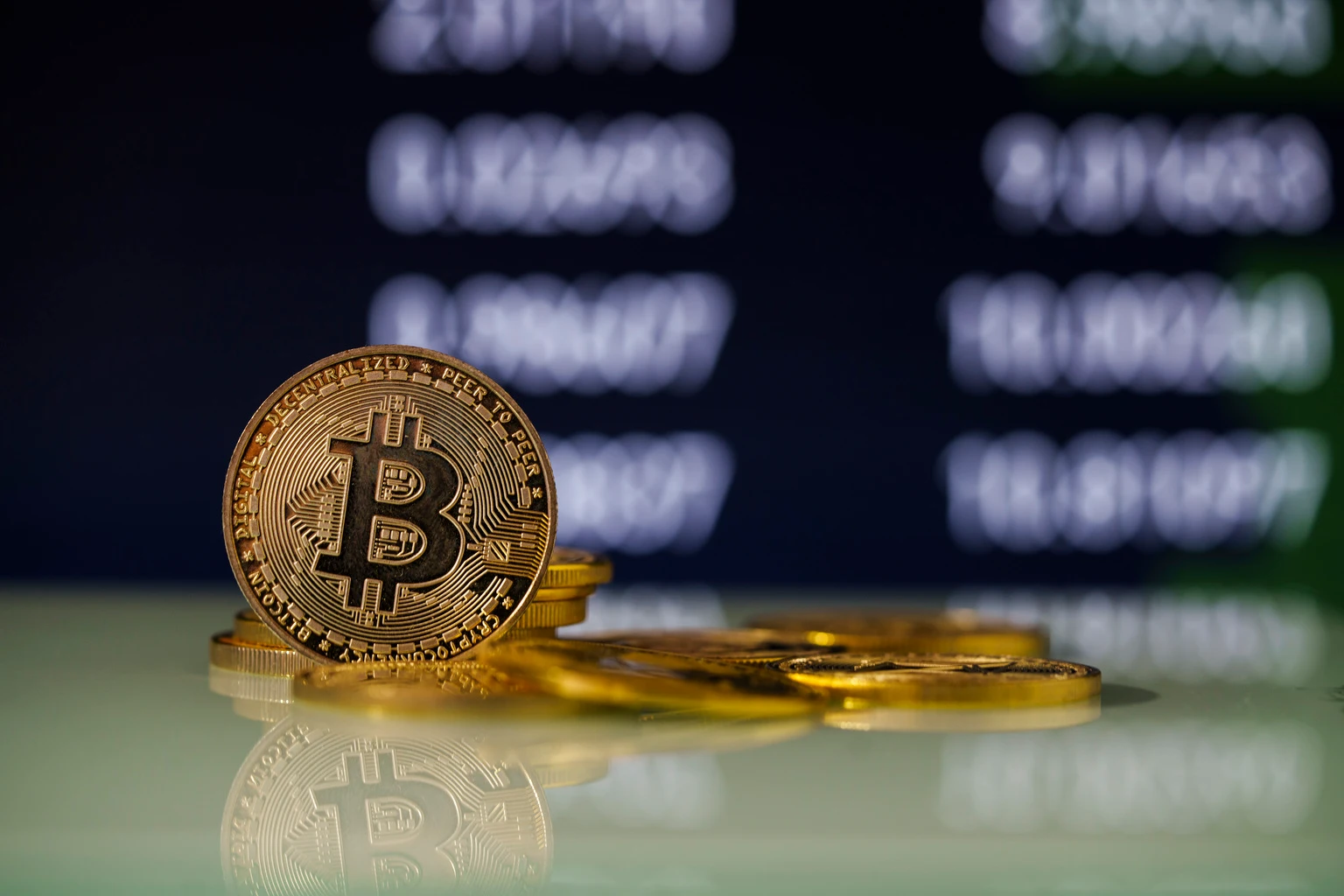
Photo: Seeking Alpha
A Turning Point for the Digital Asset Market
The global cryptocurrency market is showing signs of stabilization as its total valuation hovers near the 2.6 trillion mark. After a period marked by uncertainty and fluctuating sentiment, this phase reflects a cautious but noticeable return of investor confidence. The shift is not driven by sudden hype but by gradual capital inflows into established digital assets.
Renewed Focus on Established Cryptocurrencies
Investors are increasingly directing their attention toward major cryptocurrencies such as Bitcoin and Ethereum. These assets are viewed as relatively safer options within a highly volatile environment. Their strong track records, liquidity, and widespread adoption make them the preferred entry points for both institutional and retail participants reentering the market.
Capital Rotation Signals Strategic Behavior
Rather than spreading investments across speculative tokens, market participants are consolidating their positions in large cap assets. This capital rotation suggests a more strategic and risk aware approach. Investors appear to be prioritizing stability and long term growth over short term gains, indicating a shift in overall market behavior.
Institutional Influence Gains Momentum
The role of institutional investors continues to expand as they bring structured capital into the ecosystem. Their involvement is contributing to reduced volatility and more predictable price movements. Unlike retail driven rallies, institutional inflows tend to be measured and sustained, which helps reinforce market stability over time.
Macroeconomic Conditions Shape Sentiment
Global economic factors are playing a significant role in shaping investor decisions. Concerns around inflation, interest rates, and currency performance are pushing capital toward alternative assets. Cryptocurrencies, particularly those with strong fundamentals, are increasingly being considered as part of diversified investment strategies.
Improved Market Infrastructure
The crypto market today is supported by more advanced infrastructure than in previous cycles. Enhanced trading platforms, better liquidity management, and improved custody solutions are making it easier for participants to engage with confidence. These developments are essential in supporting the current phase of stabilization.
Retail Investors Reenter with Caution
Retail participation is gradually increasing, though with a more cautious mindset. Many investors who experienced previous market downturns are now taking a more disciplined approach. This includes focusing on well known assets, conducting deeper research, and avoiding overexposure to high risk projects.
Reduced Volatility Reflects Maturity
One of the most notable aspects of the current market phase is the reduction in extreme price swings. While volatility has not disappeared, its intensity has decreased compared to earlier cycles. This trend is often interpreted as a sign of market maturation, where price movements become more aligned with underlying fundamentals.
Potential Risks Still Linger
Despite the positive outlook, the market is not without risks. Regulatory developments, technological vulnerabilities, and unexpected macroeconomic events could disrupt the current balance. Investors remain aware of these factors and are likely to adjust their strategies in response to changing conditions.
A Foundation for Sustainable Growth
The stabilization around the 2.6 trillion valuation could serve as a foundation for future expansion. As confidence continues to build, the market may attract new participants and increased capital. This environment creates opportunities for innovation while maintaining a stronger emphasis on risk management.
The cryptocurrency market’s stabilization marks an important phase in its evolution. It reflects a transition from speculative enthusiasm to more measured and informed participation. As investors return to major assets and adopt strategic approaches, the market is gradually building a more sustainable path forward.

Popular articles



Subscribe to unlock premium content
Disney’s Timeless Magic and How the Entertainment Giant Continues to Shape Culture and Innovation

Imran Khan’s Economic Missteps Amid Political Chaos in Pakistan

The Philippines’ Digital Shift How Remittances and BPO Are Fueling Growth

Disney’s Timeless Magic and How the Entertainment Giant Continues to Shape Culture and Innovation
Imran Khan’s Economic Missteps Amid Political Chaos in Pakistan
Disney’s Timeless Magic and How the Entertainment Giant Continues to Shape Culture and Innovation