CFTC Approved Crypto Perpetual Futures Spark Systemic Risk Concerns From CME Chief

CFTC Approved Crypto Perpetual Futures Spark Systemic Risk Concerns From CME Chief
By
David Goldfarb
Last updated:
June 4, 2026
First Published:
June 4, 2026

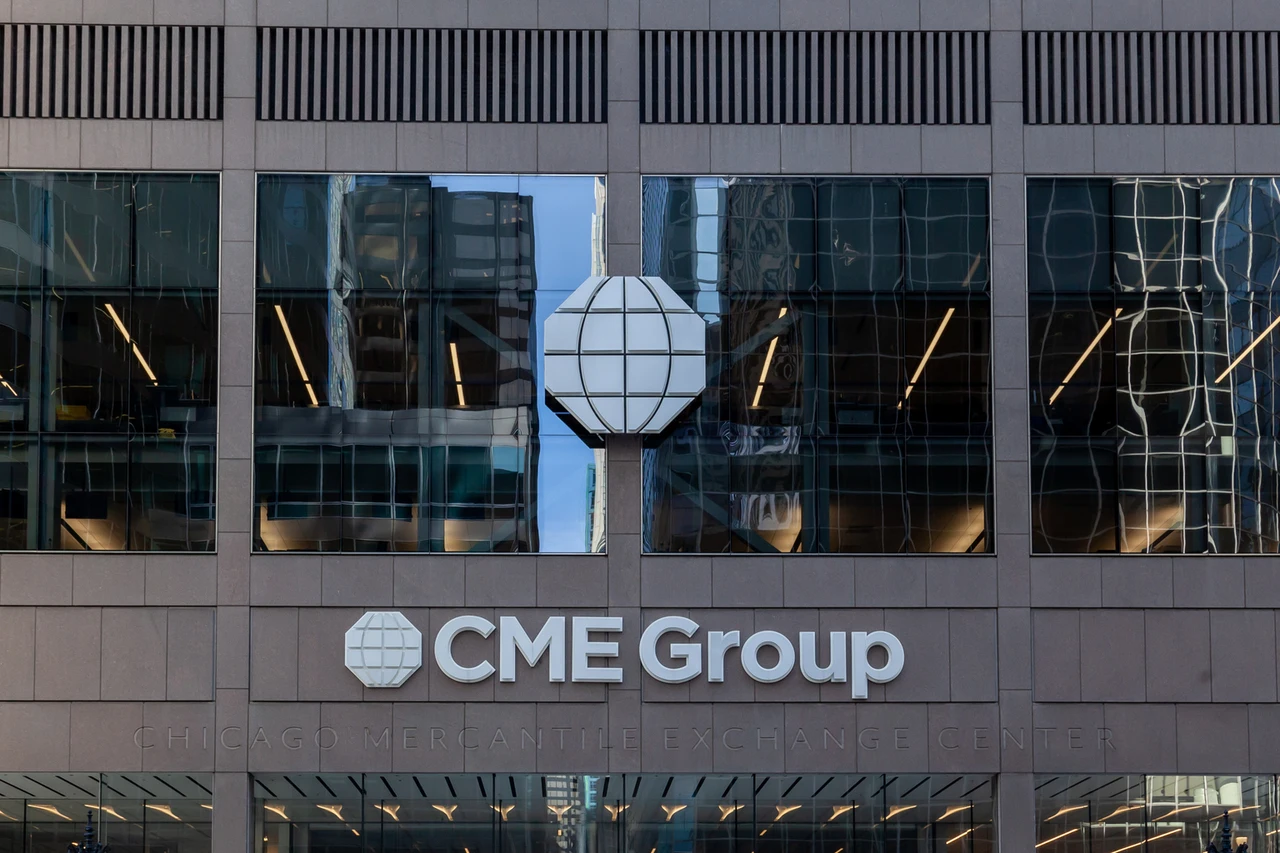
Photo: Seeking Alpha
Expansion of perpetual futures into regulated markets
The approval of crypto perpetual futures under a regulated framework has marked a significant shift in how derivatives tied to digital assets are structured in traditional financial venues. These instruments, which allow continuous leveraged exposure without an expiration date, are now entering a more formal oversight environment. The development has drawn attention from major institutions due to its potential to reshape how leverage operates within regulated exchanges.
CME leadership raises systemic risk concerns
Leadership at CME Group has expressed concern that the introduction of perpetual style contracts could amplify structural risks within the broader financial system. The core issue highlighted is the combination of continuous leverage and high volatility inherent in crypto markets. According to market participants, this combination could increase the likelihood of rapid cascading losses during periods of stress.
Role of the CFTC in approving new derivatives structures
The Commodity Futures Trading Commission has played a central role in authorizing the listing of these new instruments under regulated exchanges. The decision reflects an evolving stance toward integrating crypto based derivatives into existing oversight systems. Regulators aim to bring more trading activity into transparent venues while maintaining risk controls that align with traditional financial standards.
Concerns over continuous leverage mechanisms
Perpetual futures differ from standard futures contracts due to their lack of expiration and reliance on funding rate mechanisms to maintain price alignment. This structure enables traders to hold leveraged positions indefinitely, which can lead to prolonged accumulation of risk in the system. Critics argue that this may increase vulnerability during sudden market downturns when positions unwind simultaneously.
Potential for amplified liquidation cycles
One of the primary risks identified is the potential for intensified liquidation cascades. In environments where leverage is widely accessible, small price movements can trigger forced closures of positions. When combined with perpetual funding dynamics, this effect can accelerate sharply during volatility spikes, leading to rapid price dislocations across multiple assets.
Institutional market structure under pressure
Institutional trading venues are increasingly focused on managing how these products interact with existing risk frameworks. Traditional futures markets were designed with fixed expiration cycles that naturally reset exposure. The introduction of perpetual structures challenges this rhythm, requiring new approaches to margining, risk monitoring, and liquidity provisioning.
Market makers adjust to new volatility profiles
Liquidity providers are adapting their models to account for the continuous nature of perpetual contracts. This includes adjusting spreads and recalibrating hedging strategies in response to higher frequency funding payments and potential volatility clustering. These adjustments are essential to maintain orderly trading conditions but may also reduce available liquidity during stressed periods.
Debate over innovation versus stability
Supporters of perpetual futures argue that these instruments improve market efficiency by offering flexible exposure and deeper liquidity. However, critics emphasize that innovation must be balanced with systemic safety considerations. The debate centers on whether the benefits of continuous leverage outweigh the potential for destabilizing feedback loops in extreme market conditions.
Global regulatory coordination challenges
As different jurisdictions explore similar products, inconsistencies in regulatory frameworks could create fragmentation in global crypto derivatives markets. This raises concerns about regulatory arbitrage, where trading activity migrates to regions with looser oversight. Coordinating standards across borders remains a key challenge for maintaining consistent risk controls.
Impact on retail and institutional participation
The availability of regulated perpetual futures may attract both retail and institutional participants seeking efficient exposure to crypto assets. However, increased accessibility to leverage also raises concerns about overexposure among less experienced traders. Market observers note that education and transparency will be critical in mitigating risk at scale.
Long term implications for crypto derivatives markets
The introduction of perpetual futures into regulated environments represents a structural evolution in crypto market infrastructure. Over time, these instruments may become a core component of digital asset trading. However, their success will depend on whether risk management frameworks can keep pace with the speed and complexity introduced by continuous leverage systems.

Popular articles



Subscribe to unlock premium content
Imran Khan’s Economic Missteps Amid Political Chaos in Pakistan

The Philippines’ Digital Shift How Remittances and BPO Are Fueling Growth

Is the Era of Globalization Over or Just Evolving?
Imran Khan’s Economic Missteps Amid Political Chaos in Pakistan
The Philippines’ Digital Shift How Remittances and BPO Are Fueling Growth
Imran Khan’s Economic Missteps Amid Political Chaos in Pakistan