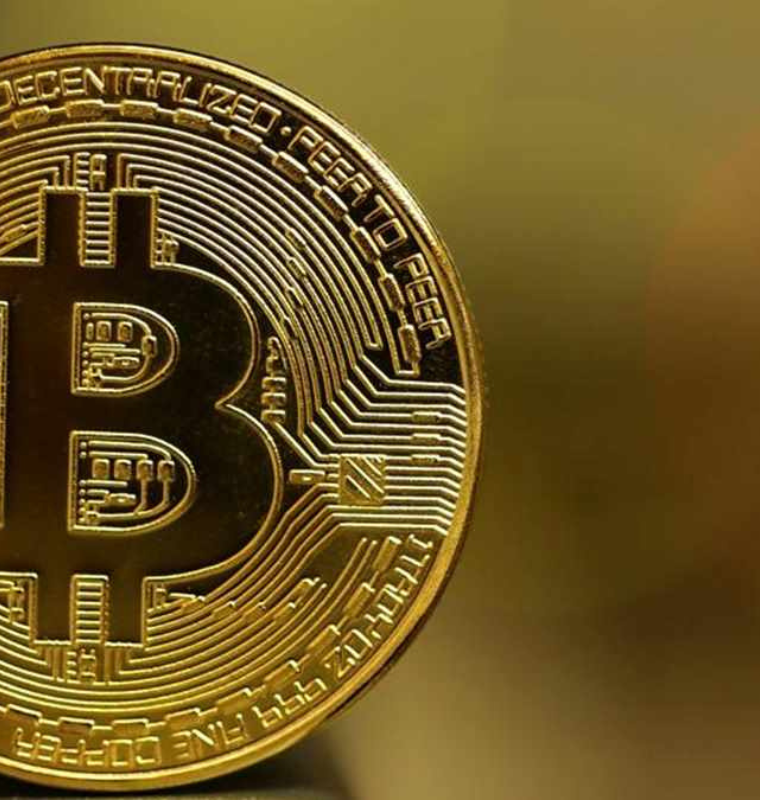
Crypto Political Funding Under Scrutiny as Reform UK Raises Millions From Digital Asset Billionaires

Crypto Political Funding Under Scrutiny as Reform UK Raises Millions From Digital Asset Billionaires
By
Augusta Parker
Last updated:
June 4, 2026
First Published:
June 4, 2026


Surge in crypto linked political donations
Political funding tied to the digital asset sector has come under renewed scrutiny after reports that major political groups have received substantial contributions from individuals with significant cryptocurrency wealth. Among the most discussed developments is the fundraising momentum associated with Reform UK, which has reportedly attracted millions from high net worth figures linked to crypto markets. This has intensified debate over the growing intersection of digital assets and political influence.
Growing visibility of crypto billionaires in political finance
The rise of early crypto investors and blockchain entrepreneurs has created a new class of politically active donors with substantial financial capacity. These individuals often accumulated wealth through early exposure to Bitcoin, Ethereum, and venture investments in blockchain infrastructure. Their participation in political financing is increasingly visible across multiple jurisdictions, raising questions about transparency and influence.
Regulatory scrutiny intensifies across jurisdictions
Regulators and oversight bodies are paying closer attention to how cryptocurrency wealth flows into political systems. Concerns center on the traceability of funds, compliance with donation reporting requirements, and the potential for cross border capital movement to bypass traditional financial oversight mechanisms. Authorities are evaluating whether existing frameworks are sufficient to manage this evolving funding landscape.
Debate over transparency in crypto sourced donations
One of the central issues under discussion is the transparency of donations originating from digital asset holdings. Unlike traditional bank transfers, crypto transactions can involve complex wallet structures and intermediaries. This has led to calls for clearer disclosure rules to ensure that political contributions are properly traceable and compliant with campaign finance laws.
Political parties increasingly engage with digital asset industry
Political organizations across several countries are becoming more open to engagement with the cryptocurrency sector. Some view blockchain technology as a driver of innovation and economic growth, while others remain cautious due to concerns about volatility, fraud risk, and regulatory uncertainty. This mixed stance is shaping how parties interact with crypto affiliated donors.
Public perception shaped by market volatility
Public opinion regarding crypto linked political funding is influenced in part by the volatility of digital asset markets. Sharp price swings and high profile market events often reinforce skepticism about the stability of crypto wealth. This perception can impact how politically sensitive crypto donations are received by voters and media outlets.
Ethical questions around influence and policy alignment
The increasing presence of wealthy crypto investors in political funding has raised ethical questions about potential policy influence. Critics argue that large donations could shape regulatory outcomes in ways that favor the interests of a narrow financial group. Supporters counter that participation in political financing is a legitimate exercise of economic freedom.
Blockchain transparency contrasts with political opacity
Ironically, blockchain technology offers high levels of transaction transparency, yet political donation systems in many jurisdictions remain comparatively opaque. This contrast has fueled discussion about whether blockchain based tracking could improve transparency in campaign finance if properly integrated into regulatory systems.
International dimension of crypto political donations
Because cryptocurrency holdings are inherently borderless, political donations linked to digital assets often have an international dimension. Funds may originate from global investors with exposure to multiple markets, complicating jurisdictional oversight. This raises challenges for regulators attempting to enforce consistent standards across borders.
Increased calls for campaign finance reform
The growing role of crypto wealth in political funding has contributed to renewed calls for reform in campaign finance laws. Advocates argue for updated disclosure requirements and improved monitoring systems that reflect the realities of digital asset ownership. Policymakers are increasingly considering whether existing rules are sufficient for the crypto era.
Long term implications for political and financial systems
The intersection of cryptocurrency wealth and political funding is likely to remain a developing issue as digital assets continue to expand globally. Over time, clearer regulatory frameworks may emerge to define how crypto related donations are handled. The outcome will shape not only political finance but also the broader relationship between decentralized wealth and institutional governance.
Popular articles



Subscribe to unlock premium content
Imran Khan’s Economic Missteps Amid Political Chaos in Pakistan
The Philippines’ Digital Shift How Remittances and BPO Are Fueling Growth

Is the Era of Globalization Over or Just Evolving?
Imran Khan’s Economic Missteps Amid Political Chaos in Pakistan
The Philippines’ Digital Shift How Remittances and BPO Are Fueling Growth
Imran Khan’s Economic Missteps Amid Political Chaos in Pakistan