
Zimbabwe Introduces First Comprehensive Crypto Registration Framework for Digital Asset Firms

Zimbabwe Introduces First Comprehensive Crypto Registration Framework for Digital Asset Firms
By
Alina Sinclair
Last updated:
June 15, 2026
First Published:
June 15, 2026

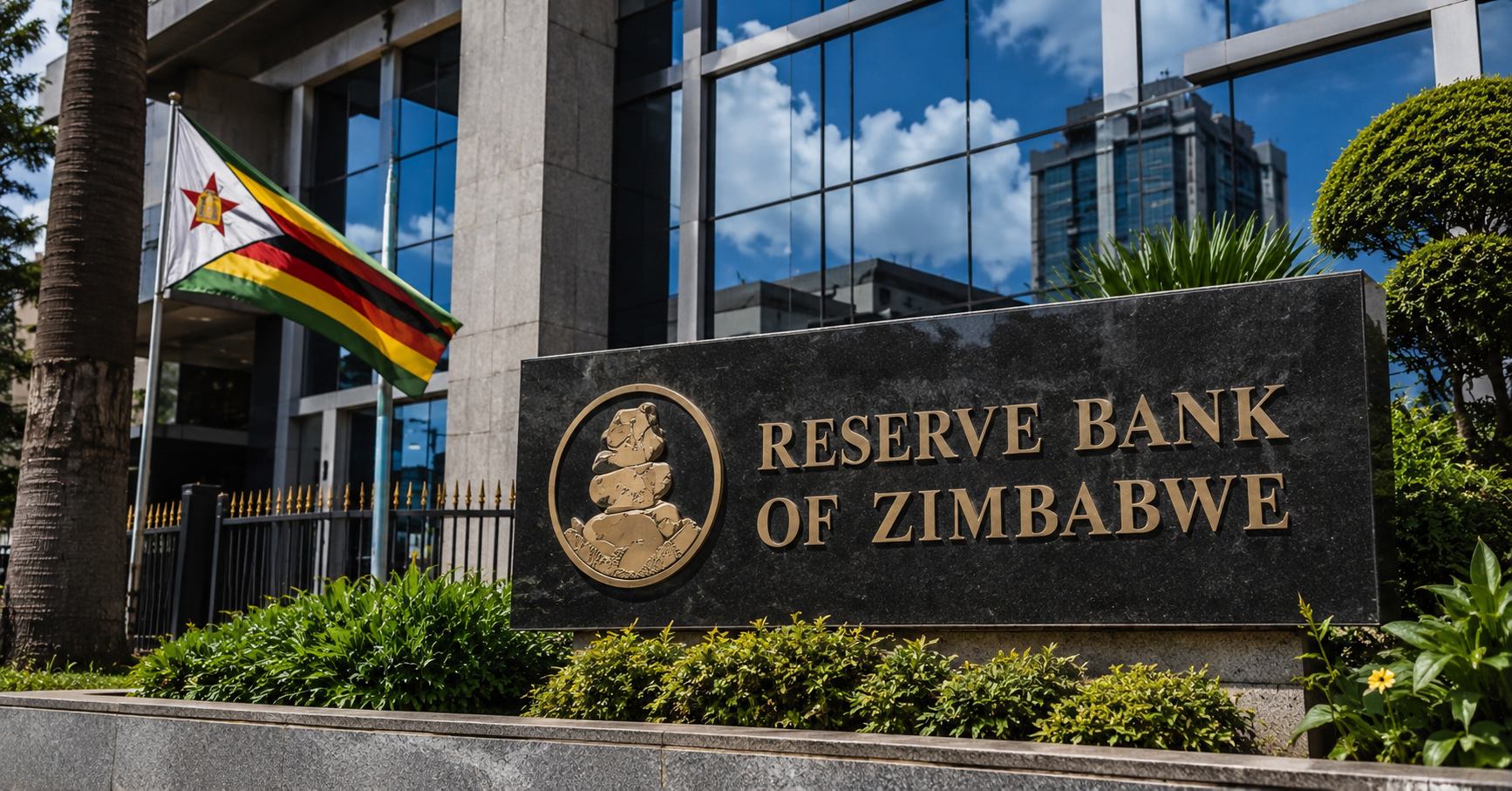
Photo: Coinafrica
Zimbabwe has taken a significant step in the evolution of its digital asset sector by introducing its first comprehensive cryptocurrency registration framework for companies operating within the industry. The move marks an important milestone not only for Zimbabwe's financial landscape but also for the broader African blockchain ecosystem, where governments continue exploring ways to balance innovation with regulatory oversight.
The newly introduced framework aims to establish clear guidelines for businesses involved in cryptocurrency related activities while creating a more transparent environment for investors, entrepreneurs, and financial institutions. As digital assets continue gaining popularity across emerging economies, Zimbabwe's decision reflects a growing recognition that blockchain technology and cryptocurrency markets are becoming increasingly difficult to ignore.
The initiative arrives at a time when countries around the world are developing strategies to regulate digital assets while encouraging responsible innovation. For Zimbabwe, the framework represents an opportunity to modernize aspects of its financial system while positioning itself as a participant in the expanding global blockchain economy.
The Growing Importance of Cryptocurrency in Africa
Africa has become one of the most dynamic regions for cryptocurrency adoption. Across the continent, individuals and businesses are increasingly using digital assets for payments, remittances, savings, and investment purposes.
Several factors have contributed to this trend. Many users are attracted by the ability to transfer value across borders efficiently, while others view cryptocurrencies as alternative financial tools that provide access to global markets.
As adoption expands, governments face the challenge of creating policies that support innovation without exposing consumers to unnecessary risks. Zimbabwe's new registration framework represents an effort to address this challenge through structured regulation rather than outright restriction.
The decision reflects a broader shift occurring across numerous developing economies where policymakers are recognizing the growing influence of blockchain based financial systems.
Why Regulatory Frameworks Matter
The cryptocurrency industry thrives on innovation, but sustainable growth often requires regulatory certainty. Without clear rules, businesses may struggle to understand their obligations, investors may hesitate to commit capital, and consumers may face increased risks.
Registration frameworks help establish standards for market participants. They provide governments with greater visibility into industry activities while creating expectations regarding compliance, transparency, and operational practices.
For cryptocurrency firms, registration can enhance credibility and improve relationships with financial institutions, investors, and customers.
The introduction of a formal framework signals that Zimbabwe is seeking to create a more organized and accountable environment for digital asset businesses operating within its borders.
Creating Opportunities for Blockchain Entrepreneurs
One of the most significant benefits of regulatory clarity is its potential to encourage entrepreneurship. Blockchain startups often require legal certainty before investing substantial resources into product development, hiring, and expansion.
When regulations remain unclear, businesses may delay projects or relocate operations to jurisdictions that provide more predictable operating environments.
Zimbabwe's framework could help reduce some of these uncertainties by establishing clearer expectations for companies entering the market.
Entrepreneurs developing blockchain solutions in areas such as payments, digital identity, supply chain management, and financial services may find it easier to build long term strategies when regulatory requirements are clearly defined.
This could contribute to increased innovation and business formation within the country's technology sector.
Strengthening Investor Confidence
Investor confidence plays a crucial role in the growth of any emerging industry. Clear regulations often make markets more attractive by reducing uncertainty and improving transparency.
For local and international investors evaluating opportunities in Zimbabwe's digital asset sector, the registration framework may serve as an encouraging signal.
Many institutional investors prefer operating in environments where legal and regulatory expectations are clearly established. A structured framework can help address concerns related to compliance, governance, and operational oversight.
As confidence grows, the industry may benefit from increased investment activity that supports business development, infrastructure expansion, and technological innovation.
Financial Institutions May Become More Engaged
The relationship between cryptocurrency companies and traditional financial institutions has often been complicated by regulatory uncertainty.
Banks and other financial organizations typically exercise caution when dealing with industries that lack clearly defined oversight structures. This can create challenges for digital asset firms seeking access to banking services and financial infrastructure.
The introduction of a registration framework may help improve cooperation between cryptocurrency businesses and traditional financial institutions.
As regulatory expectations become clearer, banks may feel more comfortable engaging with registered companies that demonstrate compliance with established standards.
This could strengthen the overall financial ecosystem and create new opportunities for collaboration between blockchain innovators and traditional finance providers.
Consumer Protection Becomes a Key Focus
Another important objective of cryptocurrency regulation is consumer protection. As digital asset adoption increases, governments are seeking ways to safeguard users while preserving access to innovation.
Registration requirements can help ensure that businesses meet certain operational standards and provide greater transparency regarding their activities.
Consumers often benefit from environments where service providers are subject to oversight and accountability measures.
Zimbabwe's framework may contribute to a safer market environment by encouraging responsible business practices and improving confidence among users participating in the digital asset economy.
Greater trust can play a critical role in supporting long term industry growth.
Zimbabwe's Position in the Global Blockchain Economy
The cryptocurrency industry is increasingly global in nature. Companies, investors, developers, and users operate across national borders, creating a highly interconnected ecosystem.
Countries that establish clear and balanced regulatory frameworks often position themselves to attract investment, talent, and technological development.
Zimbabwe's decision to introduce a comprehensive registration framework demonstrates an awareness of these global trends. By creating a structured environment for digital asset businesses, the country may improve its ability to participate in the growing blockchain economy.
While competition among jurisdictions remains intense, proactive regulatory efforts can help establish a foundation for future growth and innovation.
Challenges Still Remain
Although the framework represents a positive step toward regulatory clarity, implementation will be critical to its success.
Policymakers must strike a careful balance between oversight and innovation. Excessive restrictions could discourage entrepreneurship, while insufficient safeguards may expose consumers and investors to unnecessary risks.
The rapidly evolving nature of blockchain technology also means that regulations may require ongoing updates and adjustments.
Authorities will likely need to maintain open communication with industry participants to ensure that the framework remains relevant as technology and market conditions continue changing.
Successful implementation will depend on flexibility, collaboration, and a willingness to adapt to new developments.
Looking Ahead
Zimbabwe's introduction of its first comprehensive cryptocurrency registration framework marks a defining moment in the country's digital asset journey. The initiative reflects a growing understanding that blockchain technology and cryptocurrencies are becoming important components of the global financial and technological landscape.
By providing clearer rules for digital asset firms, the framework has the potential to encourage innovation, strengthen investor confidence, improve consumer protection, and foster greater collaboration between traditional finance and blockchain businesses.
While challenges remain, the move signals a commitment to engaging with the future of finance rather than standing on the sidelines. As the global cryptocurrency industry continues evolving, Zimbabwe's regulatory efforts may serve as an important foundation for long term participation in the rapidly expanding world of blockchain technology and digital assets.
For businesses, investors, and technology entrepreneurs, the development represents another indication that the conversation around cryptocurrency is shifting from whether regulation should exist to how it can best support sustainable growth and innovation.

Popular articles



Subscribe to unlock premium content
Ripple and Bitso Expand Partnership as RLUSD Stablecoin Ecosystem Gains Momentum

Bybit Introduces Tokenized SpaceX IPO Shares in Landmark Real World Asset Initiative

Crypto Tax Debate Intensifies in Washington Over Mining and Staking Rewards

Ripple and Bitso Expand Partnership as RLUSD Stablecoin Ecosystem Gains Momentum
Bybit Introduces Tokenized SpaceX IPO Shares in Landmark Real World Asset Initiative
Ripple and Bitso Expand Partnership as RLUSD Stablecoin Ecosystem Gains Momentum