
White House Crypto Talks Could Decide the Future of Stablecoin Regulation

White House Crypto Talks Could Decide the Future of Stablecoin Regulation
By
David Goldfarb
Last updated:
February 9, 2026
First Published:
April 25, 2026

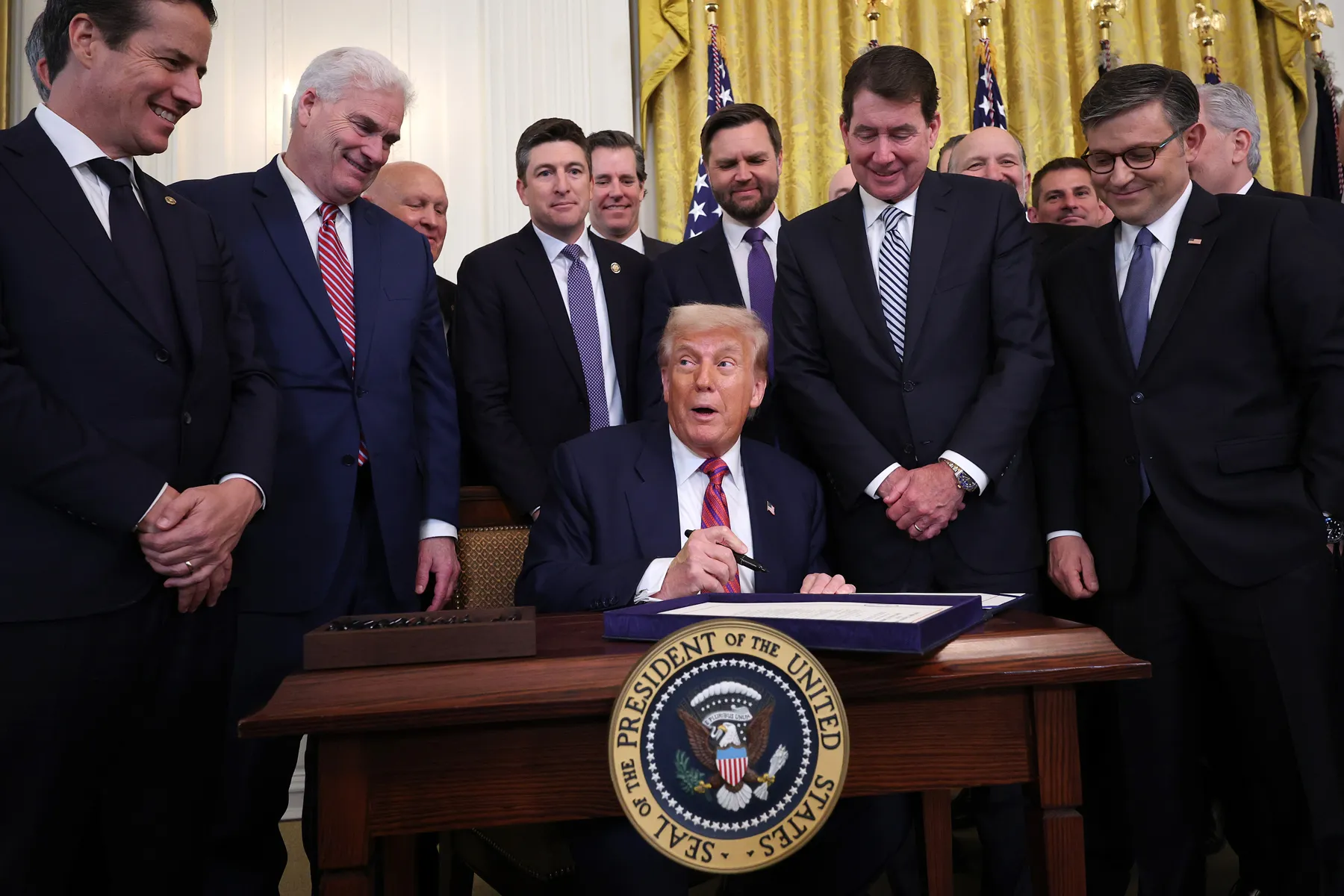
Photo: Rolling Stone
A Defining Moment for Crypto Regulation
The cryptocurrency industry is closely watching ongoing policy discussions in the United States, where government officials are evaluating the regulatory future of stablecoins. These talks represent a pivotal moment for the digital asset sector, as stablecoins play a central role in liquidity, trading, and decentralized finance infrastructure. The outcome could significantly influence how digital currencies integrate with traditional financial systems.
Why Stablecoins Matter in the Modern Crypto Economy
Stablecoins function as a bridge between volatile cryptocurrencies and traditional fiat currencies, offering price stability while preserving the efficiency of blockchain technology. They enable faster settlements, cross border payments, and decentralized financial applications. Because of their expanding role, regulators are increasingly focused on ensuring transparency, reserve backing, and systemic safety.
Regulatory Concerns Driving Policy Discussions
Government agencies are examining several key risks associated with stablecoins, including reserve management, liquidity stability, and consumer protection. Authorities aim to prevent scenarios where insufficient reserves or weak governance could destabilize financial markets. Policymakers are also evaluating how stablecoin issuers should be supervised and whether they should operate under frameworks similar to traditional banking institutions.
Balancing Innovation with Financial Stability
One of the main challenges facing regulators is maintaining a balance between encouraging innovation and protecting the financial system. Stablecoins have unlocked new efficiencies in digital finance, but unchecked growth without proper oversight could introduce systemic vulnerabilities. Policymakers are working to design rules that allow innovation while ensuring accountability and transparency.
Impact on Global Cryptocurrency Markets
The decisions emerging from these policy talks could influence not only the United States but also global cryptocurrency markets. Regulatory clarity often encourages institutional participation, strengthens investor confidence, and reduces uncertainty. Conversely, overly restrictive policies could slow innovation and push development toward more flexible jurisdictions.
Institutional Adoption and Compliance Expectations
Financial institutions increasingly require clear regulatory frameworks before expanding involvement in digital assets. If stablecoin regulation becomes standardized, banks, payment networks, and fintech firms may integrate stablecoins more deeply into their services. This could accelerate mainstream adoption and strengthen the infrastructure supporting digital finance.
Technological and Infrastructure Implications
Regulatory outcomes may also influence blockchain innovation. Developers could be required to enhance transparency mechanisms, auditing systems, and reserve verification processes. Such changes may improve trust and reliability across the ecosystem, fostering long term sustainability in digital currency networks.
Market Reaction and Investor Sentiment
Market participants are responding cautiously as they await policy clarity. Stablecoins are deeply embedded in trading and decentralized finance activity, so any regulatory shift could affect liquidity and market dynamics. Investors are closely monitoring developments, understanding that regulatory certainty often reduces volatility and promotes stability.
Long Term Vision for Digital Finance
Stablecoins are widely seen as foundational to the next phase of financial evolution. Clear and balanced regulation could transform them into a reliable digital payment layer supporting global commerce, remittances, and financial inclusion. The direction chosen by policymakers will likely shape how digital currencies coexist with traditional finance in the coming decade.
The Road Ahead for Crypto Regulation
As discussions continue, the cryptocurrency industry remains focused on collaboration between innovators and regulators. Constructive policy frameworks can create a secure and transparent environment while preserving the transformative potential of blockchain based finance. The outcome of these talks may define the regulatory blueprint for the future of digital assets worldwide.
Popular articles



Subscribe to unlock premium content
Ripple and Bitso Expand Partnership as RLUSD Stablecoin Ecosystem Gains Momentum
Bybit Introduces Tokenized SpaceX IPO Shares in Landmark Real World Asset Initiative

Crypto Tax Debate Intensifies in Washington Over Mining and Staking Rewards
Ripple and Bitso Expand Partnership as RLUSD Stablecoin Ecosystem Gains Momentum
Bybit Introduces Tokenized SpaceX IPO Shares in Landmark Real World Asset Initiative
Ripple and Bitso Expand Partnership as RLUSD Stablecoin Ecosystem Gains Momentum