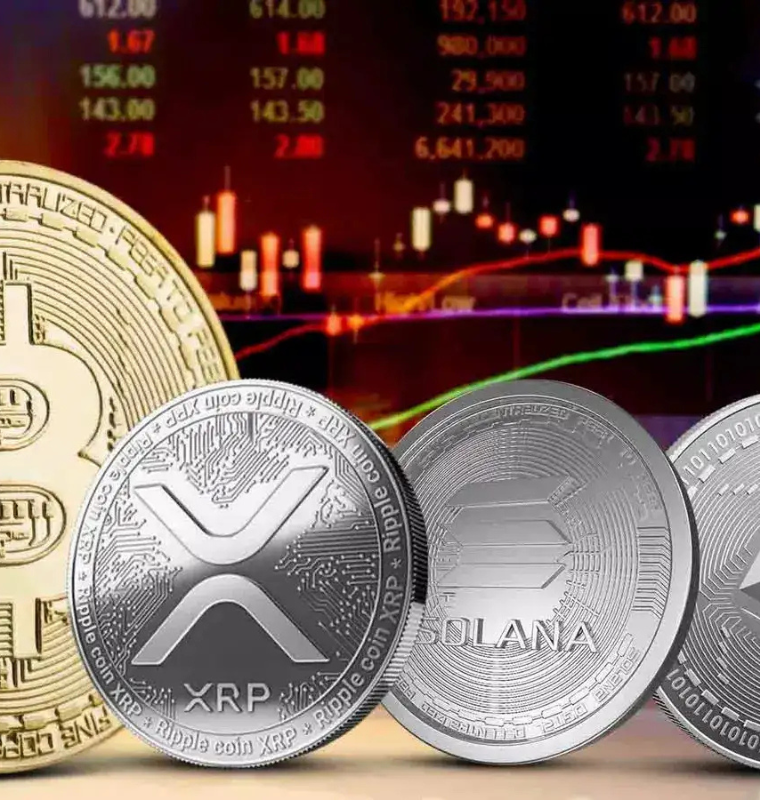
Whales Quietly Accumulate as Institutions Step Back From the Crypto Spotlight

Whales Quietly Accumulate as Institutions Step Back From the Crypto Spotlight
By
Leah Rosenfeld
Last updated:
November 18, 2025
First Published:
December 2, 2025

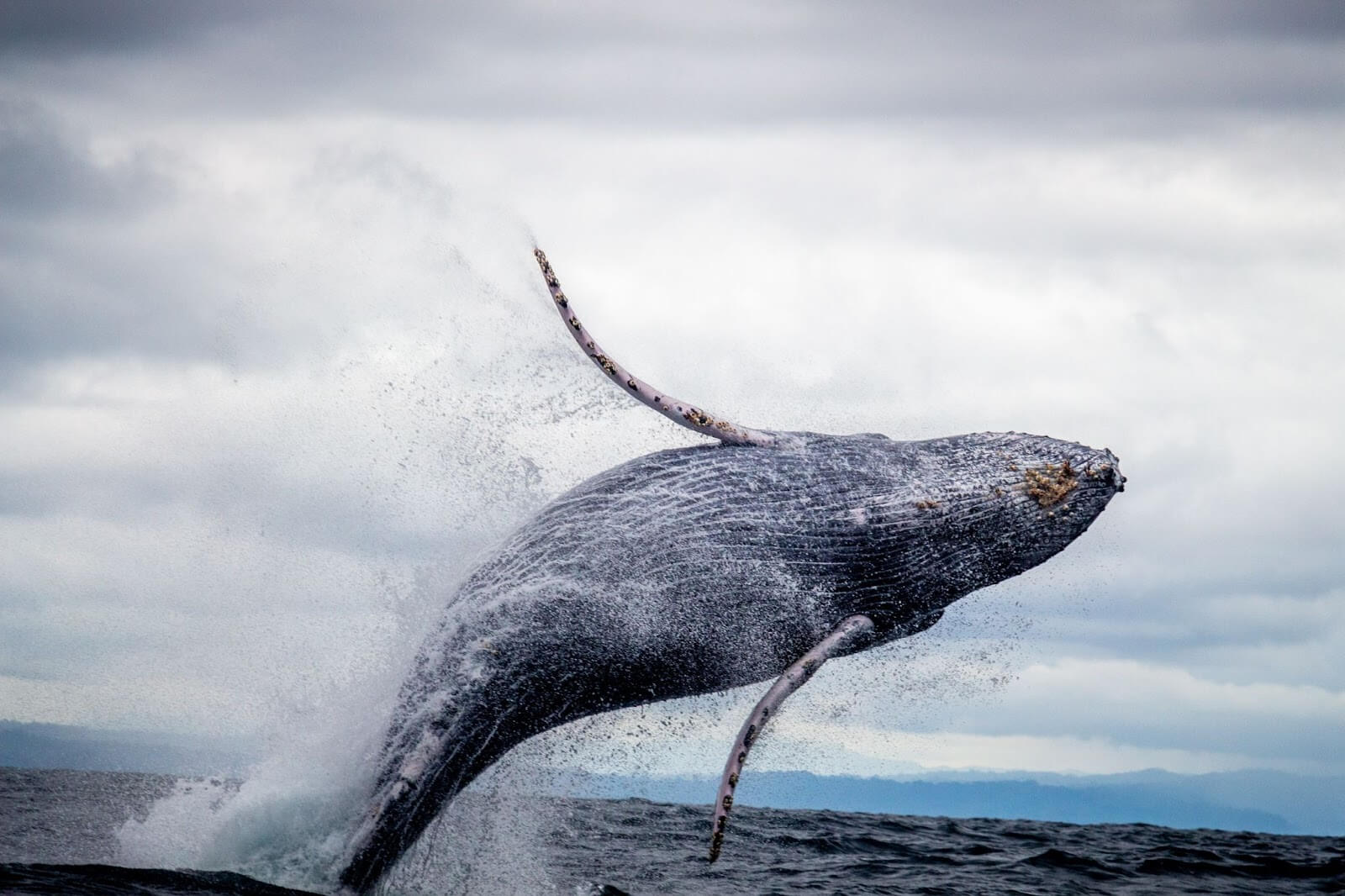
A Subtle Change Hidden Beneath Volatile Movements
While the cryptocurrency market continues to show dramatic swings, something far more subtle is happening beneath the surface. On chain data reveals that major individual holders often known as whales have begun accumulating digital assets at a careful and steady pace. At the same time large institutions are reducing their exposure, creating an unexpected divide between long term believers and risk averse professional entities.
Institutions Step Away in Search of Stability
The steady withdrawal of institutional funds has been visible for weeks. Many of these large financial entities are reacting to global economic uncertainty and shifting monetary policies. Their priority has shifted to preserving capital rather than seeking aggressive growth. This adjustment in strategy has led them to cut back positions in volatile assets such as cryptocurrencies.
Whales Move Quietly With a Different Strategy
On the other hand whales appear unfazed by short term instability. Their accumulation is not loud or dramatic but rather slow consistent and calculated. These large holders seem to view the current downturn as an opportunity rather than a threat. Their behavior suggests a belief in a future rebound that may not yet be visible to the broader public.
The Importance of On Chain Behavior
Analysts often say that the blockchain does not lie. Unlike traditional markets where positions can be hidden or disguised, on chain activity provides a transparent view of wallet movements. The recent trend of growing whale addresses has become one of the strongest indicators that significant players are preparing for a potential long term shift.
Investor Psychology at a Crossroads
The contrast between institutional caution and whale confidence reflects a divide in market psychology. Institutions prioritize predictable outcomes and lean heavily on macroeconomic signals. Whales often rely on a blend of long term vision and historical patterns. These differing approaches create a fascinating tension that shapes market momentum.
Reduced Liquidity Creates an Interesting Environment
Institutional retracement has reduced overall liquidity in the market. With fewer large centralized players providing volume each price movement becomes more sensitive and more easily influenced. Whales appear to be taking advantage of this environment by acquiring assets without causing major price spikes that would attract attention.
Fear Among Retail Traders Strengthens Whale Positions
Retail investors are facing noticeable fear as prices drop and headlines amplify uncertainty. Many are reducing positions or staying on the sidelines as they wait for clarity. This fear driven environment creates ideal conditions for long term whales who understand that markets often recover long after the panic fades.
Whales Anticipate Future Catalysts
Despite the current downturn whales appear to be positioning themselves for growth tied to future developments. Whether it involves technological upgrades, regulatory clarity or renewed institutional demand, large holders seem to expect that new catalysts will eventually reshape the market. Their quiet positioning suggests a belief that the current dip is temporary rather than structural.
What This Means for the Broader Market
The silent accumulation phase often precedes stronger market trends. If whales continue to gather assets at the current pace the market may experience a shift once external conditions stabilize. This does not guarantee immediate price recovery but it builds a foundation that can support future upward movement.
A Market Waiting for Its Next Chapter
The current moment feels like a pause between two major phases of the market. Institutions have stepped aside yet whales have stepped forward. The result is a landscape where quiet accumulation and caution coexist. As global financial conditions evolve the contrast between these two groups may determine the direction of the next major market cycle.
Looking Ahead With Cautious Curiosity
Observers are paying close attention to whether whale accumulation continues and whether institutions eventually return. The combination of reduced liquidity and strategic long term buying has created an unusual dynamic that could lead to significant shifts in market structure. For now the most influential moves are happening behind the scenes rather than in the headlines.
Popular articles


Subscribe to unlock premium content
Disney’s Timeless Magic and How the Entertainment Giant Continues to Shape Culture and Innovation

Imran Khan’s Economic Missteps Amid Political Chaos in Pakistan

The Philippines’ Digital Shift How Remittances and BPO Are Fueling Growth

Disney’s Timeless Magic and How the Entertainment Giant Continues to Shape Culture and Innovation
Imran Khan’s Economic Missteps Amid Political Chaos in Pakistan
Disney’s Timeless Magic and How the Entertainment Giant Continues to Shape Culture and Innovation