
United States Crypto Regulation Enters New Phase as CLARITY Act Advances in Senate

United States Crypto Regulation Enters New Phase as CLARITY Act Advances in Senate
By
Alina Sinclair
Last updated:
May 14, 2026
First Published:
May 14, 2026

Growing Political Consensus on Crypto Oversight
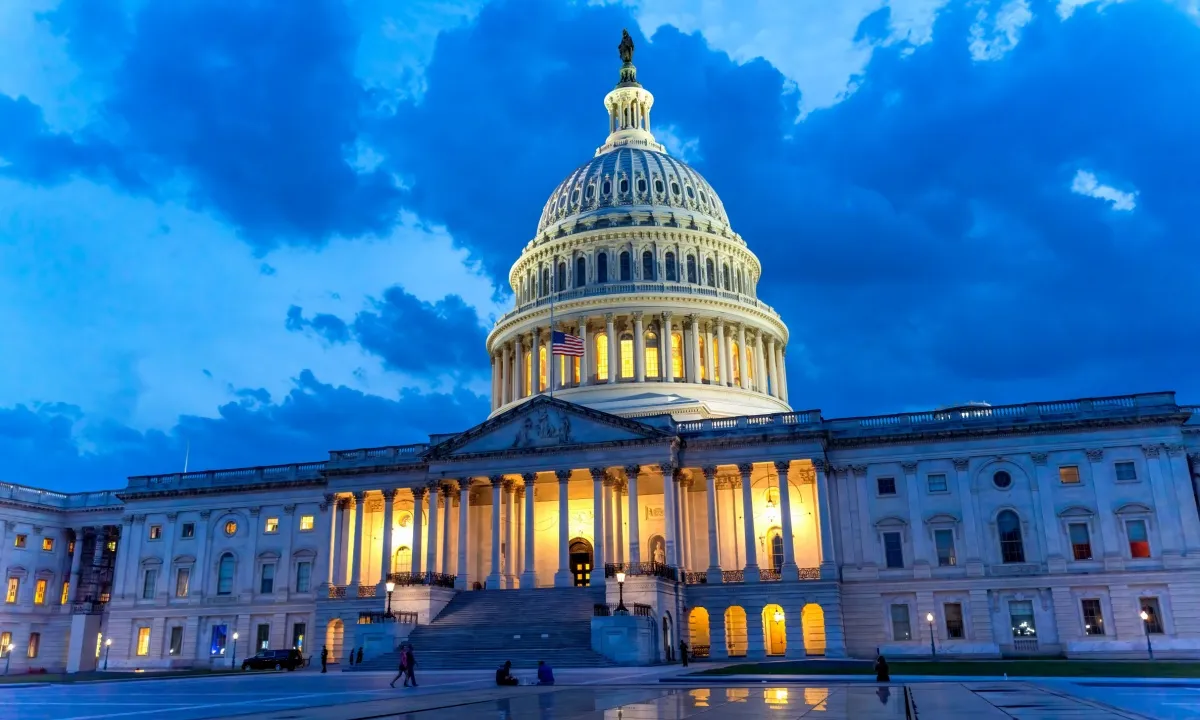
The United States Senate Banking Committee has moved forward with the CLARITY Act, marking a significant step toward establishing a formal regulatory structure for digital assets. This development reflects a growing recognition among lawmakers that the cryptocurrency sector has matured into a critical part of the financial system. The bill now moves closer to a full Senate vote, signaling stronger bipartisan willingness to define clear rules for the industry.
Shift From Uncertainty to Structured Regulation
For years, the crypto market has operated in an environment of partial regulation and overlapping jurisdiction between agencies. The advancement of the CLARITY Act represents a shift away from ambiguity toward structured oversight. Lawmakers aim to reduce confusion over whether digital assets fall under securities or commodities classification, a long standing issue that has affected innovation and compliance efforts.
Market Reaction Reflects Renewed Confidence
Following the committee progress, digital asset markets responded with increased confidence. Bitcoin maintained strength near recent highs while broader sentiment across major cryptocurrencies stabilized after periods of volatility. Investors interpreted the legislative movement as a sign that regulatory clarity could reduce systemic risk in the long term, encouraging more institutional participation.
Institutional Investors Watch Policy Developments Closely
Large financial institutions and asset managers are closely monitoring the bill as it progresses. Clear regulatory definitions could open the door for expanded product offerings, including exchange traded exposure and custody services. Institutional capital has historically remained cautious due to regulatory uncertainty, and this development is seen as a potential unlock for deeper market integration.
Impact on Innovation and Blockchain Development
Developers and blockchain companies are particularly focused on how the CLARITY Act will define compliance requirements. A structured framework could provide legal certainty that encourages startups to build new decentralized applications without fear of sudden enforcement actions. At the same time, firms may need to adjust infrastructure to meet reporting and transparency standards.
Regulatory Clarity for Digital Asset Classification
One of the central goals of the legislation is to define how digital assets are categorized under United States financial law. This includes distinguishing between decentralized network tokens, utility based assets, and investment contracts. Clear classification is expected to reduce legal disputes and streamline oversight responsibilities across federal agencies.
Potential Impact on Exchanges and Trading Platforms
Cryptocurrency exchanges are likely to experience significant operational changes if the bill becomes law. Compliance requirements may become more standardized, affecting listing procedures, customer verification systems, and reporting obligations. While this may increase operational costs, it could also strengthen trust in centralized trading platforms.
Global Competitiveness of United States Crypto Policy
The advancement of the CLARITY Act also carries international implications. Other jurisdictions have already implemented comprehensive digital asset regulations, and the United States has faced pressure to remain competitive. A clear regulatory framework may help prevent talent and capital from moving to more defined regulatory environments abroad.
Balancing Innovation With Consumer Protection
Lawmakers continue to emphasize the importance of balancing innovation with investor protection. The bill is designed to reduce fraud risks and improve transparency while still allowing technological development. This balance is considered essential to ensure that the United States remains a leading hub for blockchain innovation.
Long Term Effects on Market Structure
If enacted, the CLARITY Act could reshape the structure of the cryptocurrency market in the United States. Greater regulatory certainty may lead to consolidation among smaller firms, increased participation from traditional financial institutions, and more standardized market practices. Over time, this could bring digital assets closer to mainstream financial infrastructure.
Outlook for the Next Stage of Legislative Approval
As the bill moves toward a full Senate vote, market participants are preparing for further debate and possible amendments. The outcome will likely influence the trajectory of United States crypto regulation for years to come. Regardless of final approval timing, the current momentum signals that digital assets are firmly entering the core of financial policymaking in Washington.

Popular articles



Subscribe to unlock premium content
Imran Khan’s Economic Missteps Amid Political Chaos in Pakistan

The Philippines’ Digital Shift How Remittances and BPO Are Fueling Growth

Is the Era of Globalization Over or Just Evolving?

Imran Khan’s Economic Missteps Amid Political Chaos in Pakistan
The Philippines’ Digital Shift How Remittances and BPO Are Fueling Growth
Imran Khan’s Economic Missteps Amid Political Chaos in Pakistan


