U.S. Senators Push Compromise on Crypto Clarity Act to Advance Stablecoin Regulation

U.S. Senators Push Compromise on Crypto Clarity Act to Advance Stablecoin Regulation
By
Augusta Parker
Last updated:
March 10, 2026
First Published:
April 25, 2026

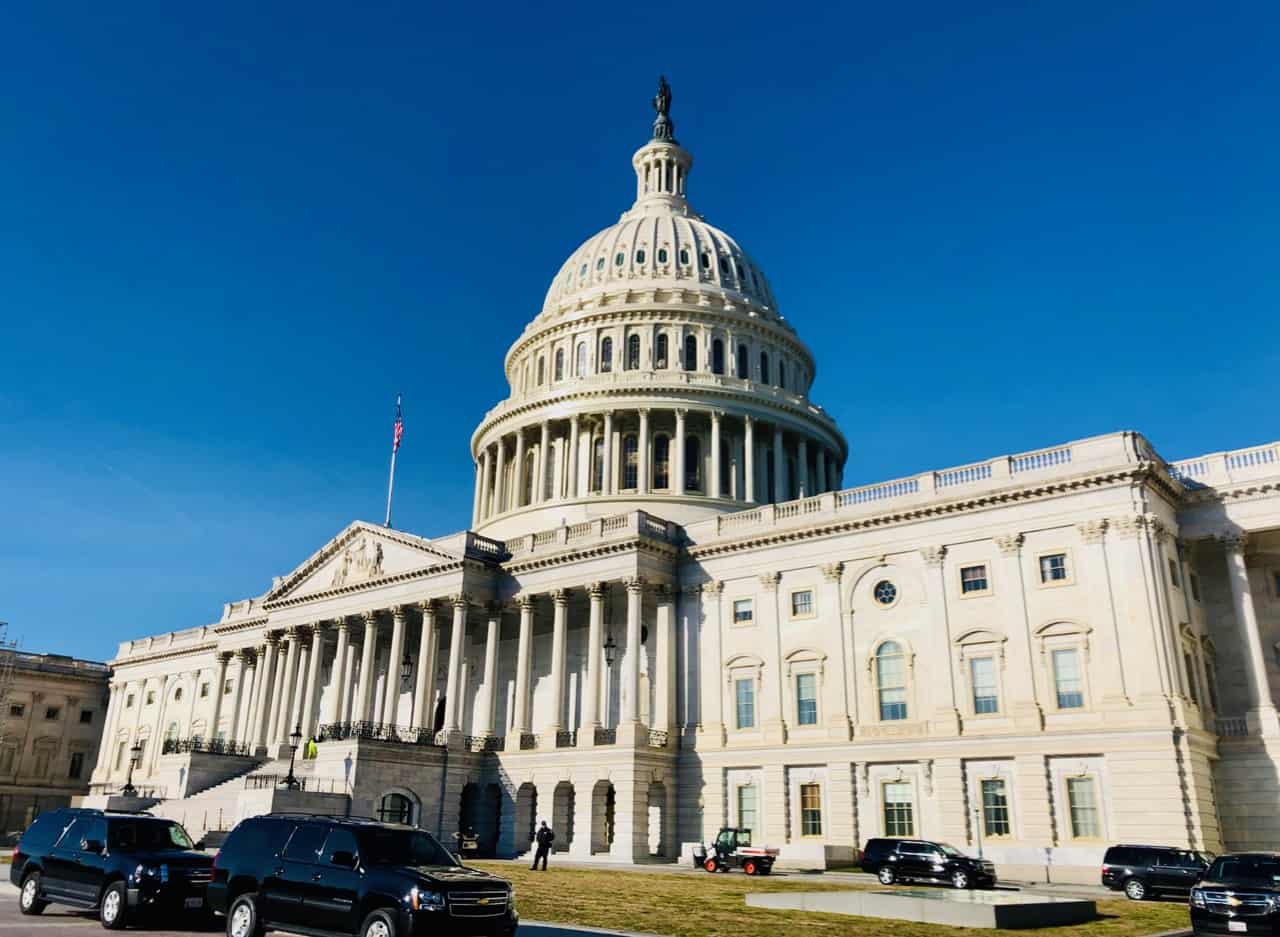
Photo: Crowdfund Insider
Bipartisan efforts aim to clarify stablecoin regulation
In Washington, United States senators are working on a bipartisan compromise to advance the Crypto Clarity Act, a legislative effort designed to provide a clearer regulatory framework for stablecoins. Stablecoins, digital assets pegged to traditional currencies like the U.S. dollar, have become an integral part of the cryptocurrency ecosystem. Lawmakers are focused on creating rules that ensure investor protection while fostering innovation in the rapidly growing market.
The proposed compromise aims to balance regulatory oversight with the flexibility needed for digital finance to flourish. Senators from both parties acknowledge that uncertainty around stablecoin regulation has slowed adoption and created risks for consumers and institutions. By establishing clear guidelines, the legislation hopes to create a more predictable environment for market participants.
Stablecoins play a crucial role in digital finance
Stablecoins serve as a bridge between traditional financial systems and digital assets, enabling faster transactions, lower costs, and easier cross-border payments. Their stability relative to volatile cryptocurrencies makes them a popular choice for both retail and institutional investors. This growing reliance has drawn attention from regulators, who are seeking to prevent misuse while supporting innovation.
Key components of the compromise
The compromise includes measures to improve transparency, require regular audits of reserves backing stablecoins, and establish clear definitions for regulatory oversight. Lawmakers are also emphasizing the importance of consumer protection, particularly in ensuring that holders of stablecoins have access to funds in the event of issuer insolvency or operational issues.
Additionally, the compromise seeks to clarify the roles of different federal agencies in regulating stablecoins. By defining the responsibilities of the Securities and Exchange Commission, the Commodity Futures Trading Commission, and the Treasury Department, the legislation aims to prevent overlapping or conflicting regulations that could hinder market growth.
Industry response is largely positive
Cryptocurrency industry leaders have welcomed the efforts, noting that regulatory clarity is essential for long-term adoption and investment. Many companies have been cautious in expanding stablecoin offerings due to uncertainty about compliance requirements and potential enforcement actions. Clear rules could unlock new investment and innovation opportunities, particularly in decentralized finance applications.
Potential impact on investors
For investors, the passage of the Crypto Clarity Act could reduce risks associated with stablecoins and encourage greater participation in digital finance. Transparent requirements and oversight mechanisms would increase confidence in the safety and reliability of these assets. As a result, more institutional and retail investors may feel comfortable using stablecoins for trading, payments, and portfolio diversification.
Legislative challenges remain
Despite progress, the legislation still faces challenges in Congress. Differences in regulatory philosophy and competing priorities may affect the timeline for passage. Lawmakers are working to address concerns from both sides, aiming for a framework that protects consumers without stifling innovation. Public hearings and consultations with industry experts are expected to continue as the compromise takes shape.
Broader implications for the cryptocurrency market
Clear regulation of stablecoins could have a ripple effect across the broader cryptocurrency market. With defined rules in place, other digital assets may see increased adoption and integration into traditional financial systems. Stablecoins often act as a gateway for users to enter the crypto ecosystem, so their proper regulation is a key factor in overall market growth.
International perspectives
U.S. regulatory clarity may also influence global approaches to stablecoins. Countries around the world are observing how American lawmakers handle digital asset oversight, and successful legislation could set a precedent for international standards. Cross-border coordination could enhance market stability and enable smoother global transactions using stablecoins.
Moving toward a more secure and mature market
As senators continue negotiations, the focus remains on fostering a secure, transparent, and innovative environment for stablecoins. A clear regulatory framework is expected to strengthen confidence in digital finance and promote responsible growth across the cryptocurrency ecosystem.

Popular articles



Subscribe to unlock premium content
Ripple and Bitso Expand Partnership as RLUSD Stablecoin Ecosystem Gains Momentum

Bybit Introduces Tokenized SpaceX IPO Shares in Landmark Real World Asset Initiative

Crypto Tax Debate Intensifies in Washington Over Mining and Staking Rewards
Ripple and Bitso Expand Partnership as RLUSD Stablecoin Ecosystem Gains Momentum
Bybit Introduces Tokenized SpaceX IPO Shares in Landmark Real World Asset Initiative
Ripple and Bitso Expand Partnership as RLUSD Stablecoin Ecosystem Gains Momentum