Trump Media Confirms Shareholder Only Digital Token Initiative

Trump Media Confirms Shareholder Only Digital Token Initiative
By
Leah Rosenfeld
Last updated:
February 2, 2026
First Published:
April 25, 2026

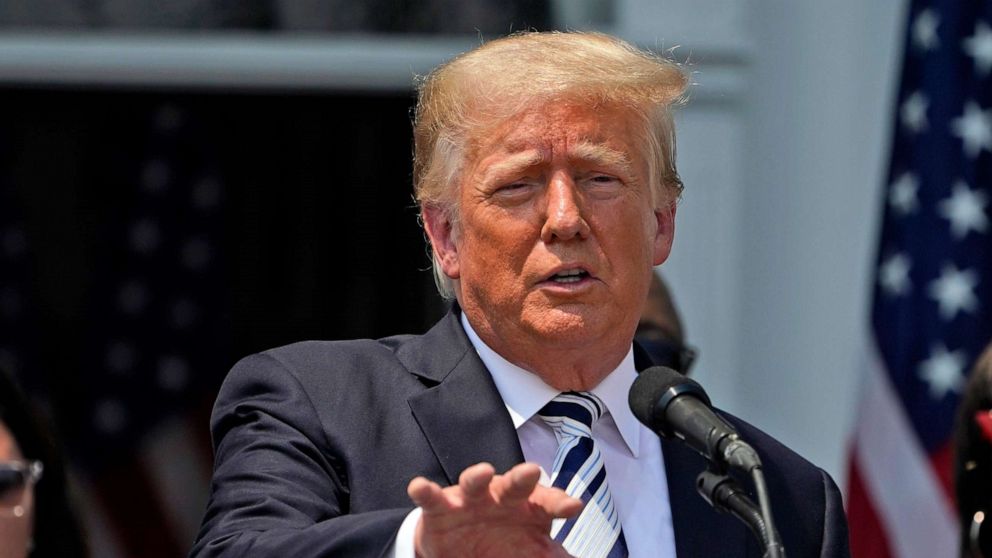
Photo: ABC News
A New Direction for Corporate Digital Assets
Trump Media has officially confirmed plans to launch a digital token designed exclusively for its shareholders. This announcement places the company among a growing list of firms exploring blockchain based engagement models. Unlike public cryptocurrencies this initiative focuses on controlled access and defined utility rather than open market speculation.
What Shareholder Only Access Really Means
The token is structured to be available only to verified shareholders of the company. This approach limits circulation and ties ownership directly to equity participation. By restricting access the company aims to create a closed ecosystem where digital rewards and benefits align with long term investor commitment rather than short term trading behavior.
Why Companies Are Turning to Tokens
Corporate issued tokens are increasingly viewed as tools for engagement rather than fundraising. They can be used to offer exclusive content voting rights discounts or early access to services. In this case the token acts as a bridge between traditional share ownership and digital interaction. It reflects a shift toward more interactive investor relationships.
Blending Brand Identity With Blockchain
Trump Media has a strong brand driven audience and this initiative leverages that loyalty. A digital token allows the company to extend its brand presence into the blockchain space without fully entering public crypto markets. This controlled integration reduces exposure to extreme volatility while still embracing innovation.
Potential Use Cases Within the Ecosystem
While full utility details have not been disclosed such tokens typically support features like gated content premium memberships or platform privileges. Over time additional functionality could be layered in based on user feedback. The key advantage lies in flexibility as token features can evolve without restructuring the core business.
Regulatory Awareness Shapes the Structure
Limiting the token to shareholders suggests careful consideration of regulatory boundaries. By tying access to existing equity ownership the company may reduce classification risks associated with public token sales. This cautious design reflects a broader trend where firms innovate within clearly defined legal frameworks.
Market Reaction and Investor Curiosity
The announcement sparked discussion rather than immediate speculation. Investors appear more curious about practical value than price implications. Since the token is not positioned as a tradable asset traditional valuation metrics do not apply. Its success will depend on adoption and usefulness rather than market price.
A Signal to Media and Technology Firms
This move sends a signal to other media companies exploring digital engagement. Tokens can serve as modern loyalty instruments without replacing core revenue models. Trump Media’s approach may encourage similar experiments across content driven platforms seeking deeper audience connection.
Challenges That Could Emerge
Despite its potential the initiative faces challenges. User education onboarding and technical execution will play critical roles. If the token lacks clear benefits engagement may remain limited. Success requires seamless integration into existing platforms and a strong value proposition.
What This Means for Corporate Tokenization
This initiative highlights a growing middle ground between traditional finance and decentralized technology. It shows that blockchain adoption does not always require open markets or speculative dynamics. Controlled tokens may become a preferred entry point for corporations testing digital assets.
Looking Ahead
As implementation details emerge the focus will shift from concept to execution. The true impact will be measured by how shareholders use and value the token over time. If successful it could redefine how companies reward loyalty in the digital age.

Popular articles



Subscribe to unlock premium content
Ripple and Bitso Expand Partnership as RLUSD Stablecoin Ecosystem Gains Momentum
Bybit Introduces Tokenized SpaceX IPO Shares in Landmark Real World Asset Initiative
Crypto Tax Debate Intensifies in Washington Over Mining and Staking Rewards
Ripple and Bitso Expand Partnership as RLUSD Stablecoin Ecosystem Gains Momentum
Bybit Introduces Tokenized SpaceX IPO Shares in Landmark Real World Asset Initiative
Ripple and Bitso Expand Partnership as RLUSD Stablecoin Ecosystem Gains Momentum