
Trump Linked Crypto Venture and Iranian Exchange Reportedly Shared Blockchain Networks

Trump Linked Crypto Venture and Iranian Exchange Reportedly Shared Blockchain Networks
By
David Goldfarb
Last updated:
May 20, 2026
First Published:
May 20, 2026

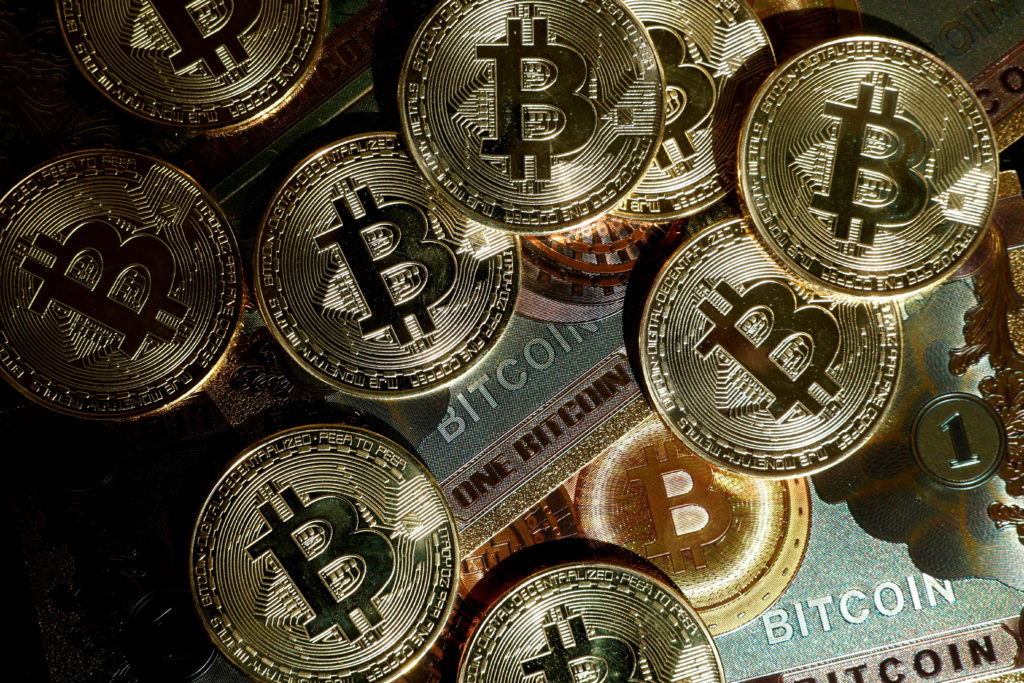
Photo: PBS
New Investigation Draws Attention Across the Crypto Industry
A major investigation has sparked intense discussion throughout the cryptocurrency sector after reports revealed that a crypto venture connected to United States President Donald Trump and one of Iran’s leading crypto exchanges reportedly utilized overlapping blockchain infrastructure and financial networks. The development has once again highlighted how decentralized technologies can create unexpected connections across geopolitical boundaries.
The report quickly attracted global attention because it combined two highly sensitive subjects including international politics and digital finance. Industry analysts, regulators, and investors immediately began debating the broader implications of the findings and what they could mean for the future regulation of cryptocurrency ecosystems.
Although blockchain systems are designed to operate without borders, the latest revelations have intensified concerns regarding transparency, oversight, and the movement of digital assets across international networks.
Blockchain Technology Operates Beyond Traditional Borders
One of the most important aspects of cryptocurrency technology is its decentralized nature. Unlike traditional banking systems that operate through centralized institutions and geographic restrictions, blockchain networks allow transactions and digital asset movement to occur across global systems without relying on national boundaries.
This structure has been celebrated by supporters as one of cryptocurrency’s greatest strengths because it enables open financial participation and reduces dependence on centralized control. However, critics argue that the same borderless architecture can also create regulatory complications and increase the difficulty of monitoring financial activity.
The recent investigation demonstrates how interconnected the crypto industry has become. Even projects operating in completely different political environments can still interact indirectly through shared blockchain tools, infrastructure providers, and decentralized protocols.
Questions Emerge About Shared Infrastructure
According to the investigation, the Trump linked crypto venture and the Iranian exchange reportedly relied on overlapping digital infrastructure connected to blockchain networks and transaction services. While this does not necessarily imply direct collaboration between the entities, the discovery raised concerns about how crypto platforms may unintentionally become linked through broader decentralized ecosystems.
Blockchain networks often rely on common service providers, wallet technologies, liquidity channels, and smart contract systems that are used globally by countless organizations simultaneously. This interconnected environment makes it difficult to isolate individual participants from larger financial networks.
Experts noted that such overlaps are not always unusual within decentralized finance because many platforms share public blockchain infrastructure by design. Nevertheless, the political sensitivity surrounding the entities involved significantly increased public attention on the matter.
Regulatory Concerns Intensify
The revelations have renewed pressure on regulators who are already struggling to create effective oversight frameworks for cryptocurrency markets. Governments worldwide continue searching for ways to balance innovation with compliance, especially when digital assets intersect with international sanctions and geopolitical tensions.
Regulators have long warned that decentralized financial systems could complicate enforcement efforts because blockchain transactions can move across multiple jurisdictions within seconds. The latest investigation is likely to strengthen arguments from policymakers calling for stricter monitoring of crypto related activity.
Some financial experts believe governments may now accelerate efforts to increase transparency requirements for exchanges, wallet providers, and blockchain based businesses operating internationally.
Political Connections Amplify Media Attention
The involvement of a venture reportedly linked to Donald Trump added another layer of complexity to the story. Trump has maintained a complicated relationship with cryptocurrency over the years. At various points he criticized digital assets while later becoming increasingly connected to crypto related projects and political discussions surrounding blockchain innovation.
Because Trump remains one of the most globally recognized political figures, any crypto related developments involving his name naturally attract significant public scrutiny and media coverage.
The political dimension of the investigation transformed what might otherwise have been viewed as a technical blockchain issue into a broader international discussion involving finance, regulation, and geopolitics.
Crypto Industry Defends Decentralized Systems
Many supporters of decentralized finance responded to the investigation by emphasizing that blockchain technology itself is neutral. They argued that decentralized systems are designed to remain open and permissionless, meaning infrastructure overlaps can occur without implying direct coordination between unrelated entities.
Industry advocates warned against interpreting shared blockchain usage as evidence of wrongdoing. Public blockchains process transactions for millions of users and organizations worldwide simultaneously, making indirect overlap almost unavoidable within large ecosystems.
Some blockchain analysts stressed that transparency actually remains one of crypto’s strongest advantages because blockchain transactions can often be traced publicly unlike hidden activities within traditional financial systems.
Critics Call for Stronger Oversight
Despite those defenses, critics argued that the investigation highlights the urgent need for more comprehensive regulation and monitoring within the crypto sector. Concerns about sanctions compliance, money movement, and financial accountability have remained central issues in government discussions about cryptocurrency for years.
Opponents of loosely regulated crypto systems believe decentralized platforms can unintentionally create loopholes that allow controversial actors to interact with global financial infrastructure more easily than through traditional banking channels.
The latest controversy may therefore strengthen political support for stricter compliance measures and expanded enforcement powers targeting cryptocurrency businesses operating internationally.
Investors Watch Regulatory Response Closely
The market response to the investigation remained relatively measured, but investors are closely monitoring whether regulators introduce new policies or restrictions following the revelations. Regulatory uncertainty continues to represent one of the biggest factors influencing long term cryptocurrency market sentiment.
Institutional investors especially pay close attention to geopolitical developments because increased government scrutiny can impact exchange operations, investment products, and cross border blockchain activity.
If policymakers respond aggressively to the investigation, some analysts believe the crypto industry could face another period of heightened regulatory pressure in major global markets.
Decentralized Finance Faces Growing Political Attention
The controversy also reflects how decentralized finance has become increasingly connected to mainstream political and economic discussions. What was once viewed primarily as a niche technological movement now intersects directly with international finance, global regulation, and national security concerns.
As cryptocurrency adoption expands, governments are becoming more focused on understanding how decentralized systems interact with geopolitical realities. This growing attention means future blockchain developments are likely to face far greater scrutiny than in earlier years.
Industry participants increasingly recognize that the future growth of cryptocurrency will depend not only on technology but also on how effectively the sector navigates regulatory and political challenges.
The Investigation Highlights a New Era for Crypto
The findings surrounding the Trump linked crypto venture and the Iranian exchange represent another example of how deeply interconnected the digital asset industry has become. Blockchain technology allows financial systems to operate globally in ways that traditional institutions never could, but that same openness also creates new complexities and risks.
For supporters, the situation demonstrates the power and reach of decentralized infrastructure. For critics, it reinforces concerns about oversight and accountability in borderless financial systems.
Regardless of perspective, the investigation has already succeeded in drawing renewed global attention to the evolving relationship between cryptocurrency, politics, and international regulation. As blockchain adoption continues growing, similar controversies are likely to become an increasingly important part of the digital finance conversation.
Popular articles



Subscribe to unlock premium content
Imran Khan’s Economic Missteps Amid Political Chaos in Pakistan
The Philippines’ Digital Shift How Remittances and BPO Are Fueling Growth

Is the Era of Globalization Over or Just Evolving?
Imran Khan’s Economic Missteps Amid Political Chaos in Pakistan
The Philippines’ Digital Shift How Remittances and BPO Are Fueling Growth
Imran Khan’s Economic Missteps Amid Political Chaos in Pakistan