
The United States Opens the Door for Staking Inside Crypto ETFs and Trusts

The United States Opens the Door for Staking Inside Crypto ETFs and Trusts
By
Junia Wells
Last updated:
November 16, 2025
First Published:
December 2, 2025

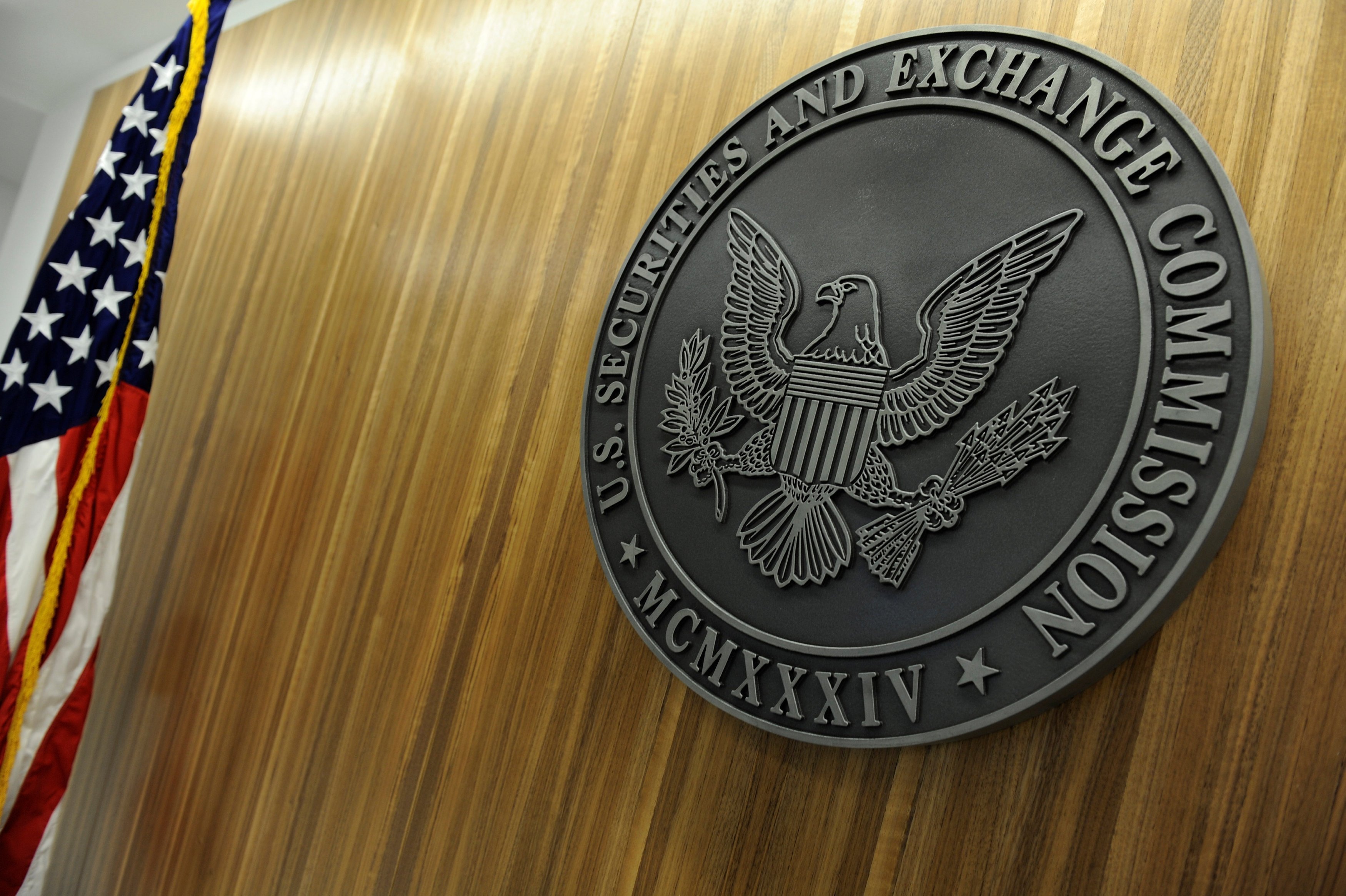
Photo: The Wall Street Journal
A turning point for regulated digital asset products
The decision by the United States Treasury and the Internal Revenue Service to permit staking within crypto ETFs and trusts marks a watershed moment for the digital asset landscape. For years staking had been limited mostly to retail users and specialized crypto platforms. Now the doorway has opened for large asset managers to incorporate staking rewards directly into regulated investment products which signals a major shift in how institutions may approach on chain activity.
A new layer of yield for investors seeking more than simple exposure
Traditional crypto ETFs typically offer price exposure without the operational benefits of blockchain participation. Allowing staking changes this dynamic entirely. Investors can now tap into yield generated from supporting network validation in proof of stake systems while still remaining inside the protective boundaries of a regulated fund. This blend of compliance and utility may redefine the value proposition of crypto investment vehicles.
A deeper integration of traditional finance with blockchain mechanics
Staking has always been one of the most distinctive features of proof of stake networks because it directly contributes to network security. By enabling staking within ETFs and trusts regulators are acknowledging that blockchain utility can coexist with traditional financial oversight. This integration sets the stage for more seamless interaction between conventional financial institutions and on chain infrastructure.
A boost for institutional confidence in proof of stake networks
Large investors often hesitate to engage with staking because of regulatory ambiguity. The new guidance provides clarity on taxation reporting and operational treatment of staking rewards. With these uncertainties reduced institutions can begin to treat staking income as a recognizable and manageable part of their investment strategies. This clarity may accelerate capital inflows into networks like Ethereum Solana and other proof of stake ecosystems.
A shift in how asset managers design crypto products
Fund providers now have an incentive to explore more creative portfolio construction methods. Instead of offering passive price trackers managers can produce products that combine market exposure with yield generation. This development may lead to a competitive wave of new fund structures where performance depends not only on token value but also on efficiency in staking and reward distribution.
A potential rise in network participation rates
As more capital enters staking pools through institutional channels the overall security and decentralization of proof of stake networks may increase. Higher participation can lead to stronger consensus layers reduced vulnerability to attacks and enhanced long term stability. This could attract even more institutional interest as networks become seen as robust infrastructure rather than speculative platforms.
A more balanced environment for retail investors
Retail users benefit indirectly from this regulatory shift. With large institutions taking part in staking through compliant products retail investors can enjoy staking rewards without dealing with custody concerns wallet management or complex technical processes. The structure of ETFs and trusts simplifies the experience and offers a familiar investment path to on chain yield.
A sign of growing regulatory maturity in the United States
The decision reflects a more sophisticated understanding of how blockchain networks function. Instead of treating all crypto activities as high risk regulators are distinguishing between speculative trading and operational participation. This nuanced stance signals that the United States may be moving toward a broader acceptance of tokenized financial mechanics as long as guardrails are in place.
A push toward more transparent staking practices
With regulated funds entering the staking ecosystem issuers must demonstrate transparent reward reporting fee structures and operational integrity. This added transparency could pressure the wider industry to adopt clearer disclosure practices. The presence of institutional players often raises the bar for accountability across the entire market.
A new chapter for the evolution of digital investment products
Permission for staking within ETFs and trusts is more than an administrative update. It marks a fundamental evolution in how digital assets can exist within the financial system. The combination of regulated custody market exposure and on chain yield creates a product class that bridges innovation and tradition. This development promises to reshape investor expectations in the years ahead and may pave the way for even deeper integration of blockchain features into mainstream financial instruments.

Popular articles



Subscribe to unlock premium content
Disney’s Timeless Magic and How the Entertainment Giant Continues to Shape Culture and Innovation

Imran Khan’s Economic Missteps Amid Political Chaos in Pakistan

The Philippines’ Digital Shift How Remittances and BPO Are Fueling Growth

Disney’s Timeless Magic and How the Entertainment Giant Continues to Shape Culture and Innovation
Imran Khan’s Economic Missteps Amid Political Chaos in Pakistan
Disney’s Timeless Magic and How the Entertainment Giant Continues to Shape Culture and Innovation