Tether’s Gold Backed Token XAUT Expands Utility Through Ledn Integration

Tether’s Gold Backed Token XAUT Expands Utility Through Ledn Integration
By
Augusta Parker
Last updated:
June 18, 2026
First Published:
June 18, 2026

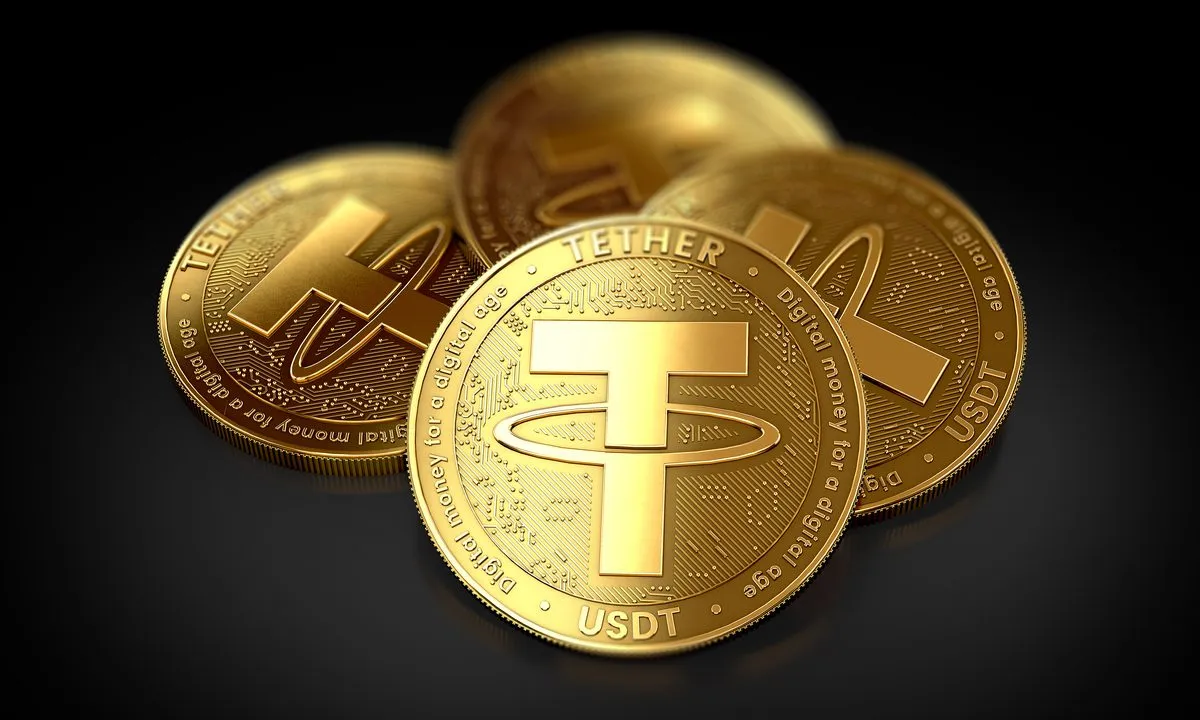
Photo: PYMNTS.com
The cryptocurrency industry continues to evolve beyond simple trading and speculation, with tokenized real world assets emerging as one of the fastest growing sectors in digital finance. One of the latest developments highlighting this trend is the integration of Tether’s gold backed token XAUT into the Ledn lending ecosystem. The move represents a significant step forward for tokenized commodities, giving holders of digital gold new ways to access liquidity without selling their assets.
As blockchain technology matures, investors are increasingly seeking financial products that combine the stability of traditional assets with the efficiency and accessibility of decentralized infrastructure. The collaboration between Tether and Ledn reflects this broader transformation, offering a glimpse into how tokenized assets may reshape investment and lending markets in the years ahead.
Understanding What XAUT Represents
XAUT is a tokenized gold asset issued by Tether that is backed by physical gold reserves. Each token is linked to ownership of a specific amount of physical gold stored in secure vaults. This structure allows investors to gain exposure to gold through blockchain technology while avoiding many of the logistical challenges associated with storing and transporting physical bullion.
Unlike traditional gold ownership, tokenized gold can be transferred digitally across borders within minutes. Investors can buy, sell, and hold gold through blockchain networks while maintaining transparency regarding ownership and reserve backing.
This combination of traditional value preservation and modern technological efficiency has helped tokenized gold gain attention among both cryptocurrency enthusiasts and conventional investors.
Why the Ledn Integration Matters
The integration of XAUT into Ledn's lending platform introduces a practical financial utility that extends beyond simple ownership. Previously, investors holding tokenized gold primarily benefited from potential appreciation in the underlying asset's value. Now, those same investors can use their holdings as collateral to access loans.
This development changes the role of tokenized gold within digital finance. Rather than remaining a passive investment, XAUT can now function as a productive asset that generates financial flexibility for holders.
Investors who believe in the long term value of gold no longer need to sell their positions when they require liquidity. Instead, they can borrow against their holdings while maintaining exposure to potential future price appreciation.
The Growing Demand for Asset Backed Digital Finance
One of the most notable trends within the blockchain industry is the growing demand for asset backed financial products. While cryptocurrencies such as Bitcoin and Ethereum continue to dominate headlines, many investors are increasingly interested in assets connected to tangible value.
Gold has served as a store of wealth for thousands of years. Its reputation for preserving purchasing power during periods of economic uncertainty makes it attractive to both institutional and retail investors. By bringing gold onto blockchain networks, tokenization creates opportunities to modernize an asset class that has historically been difficult to move and utilize efficiently.
The Ledn integration demonstrates how traditional financial principles can be combined with digital infrastructure to create new investment possibilities.
Unlocking Liquidity Without Selling Assets
One of the biggest challenges investors face is balancing liquidity needs with long term investment strategies. Selling an asset to raise cash can result in lost future gains if the asset appreciates after the sale.
Collateralized lending offers an alternative solution. Investors can borrow funds against their assets while maintaining ownership. This concept is common in traditional finance where real estate, stocks, and other assets are often used as collateral.
By bringing this capability to tokenized gold, Ledn is helping create a bridge between established financial practices and emerging blockchain based markets.
For many investors, this flexibility may significantly increase the attractiveness of holding tokenized commodities.
The Rise of Real World Asset Tokenization
Real world asset tokenization has become one of the most closely watched sectors within the blockchain industry. The concept involves converting ownership rights of physical assets into blockchain based tokens that can be traded, transferred, and utilized digitally.
Assets being tokenized today include real estate, government bonds, precious metals, commodities, and various financial instruments. Industry participants view tokenization as a way to improve efficiency, reduce barriers to entry, and enhance accessibility for investors worldwide.
The expansion of XAUT's utility provides another example of how tokenized assets are moving beyond simple ownership models toward fully integrated financial ecosystems.
How Blockchain Improves Traditional Asset Management
Traditional asset ownership often involves multiple intermediaries, paperwork requirements, settlement delays, and geographic limitations. Blockchain technology seeks to simplify many of these processes through transparent and programmable digital infrastructure.
Tokenized assets can be transferred more efficiently than many conventional financial instruments. Ownership records are maintained on distributed networks, reducing administrative complexity while increasing transparency.
For gold investors, this means exposure to a historically valuable asset while benefiting from the speed and accessibility of modern digital systems.
As adoption grows, blockchain based asset management may become increasingly attractive to a broader range of investors.
Potential Benefits for Institutional Investors
Institutional interest in tokenized assets has expanded considerably over recent years. Large financial firms are exploring ways to integrate blockchain technology into existing investment frameworks while maintaining regulatory compliance and operational efficiency.
Gold remains an important asset for institutional portfolios due to its role as a hedge against economic uncertainty. The ability to hold tokenized gold and access lending services using the same asset creates additional flexibility for portfolio management.
This functionality may encourage greater institutional participation in tokenized commodity markets as financial infrastructure continues to mature.
Expanding the Utility of Digital Assets
One of the key factors driving blockchain adoption is the ability to create assets with multiple layers of functionality. Rather than serving a single purpose, digital assets can be integrated into lending, trading, payments, collateral management, and investment strategies.
The XAUT and Ledn partnership illustrates this evolution. What was once primarily a digital representation of gold now becomes a financial tool capable of supporting broader economic activity within blockchain ecosystems.
As developers and financial service providers continue innovating, the range of use cases for tokenized assets is expected to expand significantly.
Challenges and Considerations
Despite the promising outlook, the tokenized asset sector still faces challenges. Regulatory frameworks continue evolving across different jurisdictions, and market participants must navigate varying compliance requirements.
Transparency regarding reserve backing remains critical for maintaining investor confidence in tokenized commodities. Market participants also expect strong security standards and reliable custody solutions.
As adoption increases, industry leaders will need to address these challenges while maintaining the benefits that make tokenized assets attractive.
Success will depend on balancing innovation with trust, transparency, and regulatory alignment.
The Future of Tokenized Gold
The integration of XAUT into Ledn's lending ecosystem may represent only the beginning of a broader transformation within digital commodity markets. As investors become more comfortable with tokenized assets, demand for additional financial services connected to these products is likely to grow.
Future developments could include expanded lending options, yield generating opportunities, cross platform interoperability, and deeper integration with decentralized finance applications.
Gold has long been regarded as one of the world's most trusted stores of value. Through tokenization, that trust is being combined with the speed, accessibility, and programmability of blockchain technology.
The integration of Tether’s XAUT token into Ledn’s lending platform marks an important milestone for tokenized real world assets. By enabling investors to borrow against digital gold holdings, the partnership expands the practical utility of tokenized commodities and demonstrates how blockchain technology can enhance traditional financial models.
As tokenization continues gaining momentum, developments like this are likely to play a significant role in shaping the future of digital finance. For investors seeking both stability and flexibility, tokenized gold may increasingly emerge as a compelling option within the evolving global financial landscape.

Popular articles



Subscribe to unlock premium content
Ripple and Bitso Expand Partnership as RLUSD Stablecoin Ecosystem Gains Momentum
Bybit Introduces Tokenized SpaceX IPO Shares in Landmark Real World Asset Initiative
Crypto Tax Debate Intensifies in Washington Over Mining and Staking Rewards

Ripple and Bitso Expand Partnership as RLUSD Stablecoin Ecosystem Gains Momentum
Bybit Introduces Tokenized SpaceX IPO Shares in Landmark Real World Asset Initiative
Ripple and Bitso Expand Partnership as RLUSD Stablecoin Ecosystem Gains Momentum