Stablecoins and the Quiet Power Shift in Global Finance
By
Calder Monroe
Last updated:
February 1, 2026
First Published:
February 1, 2026

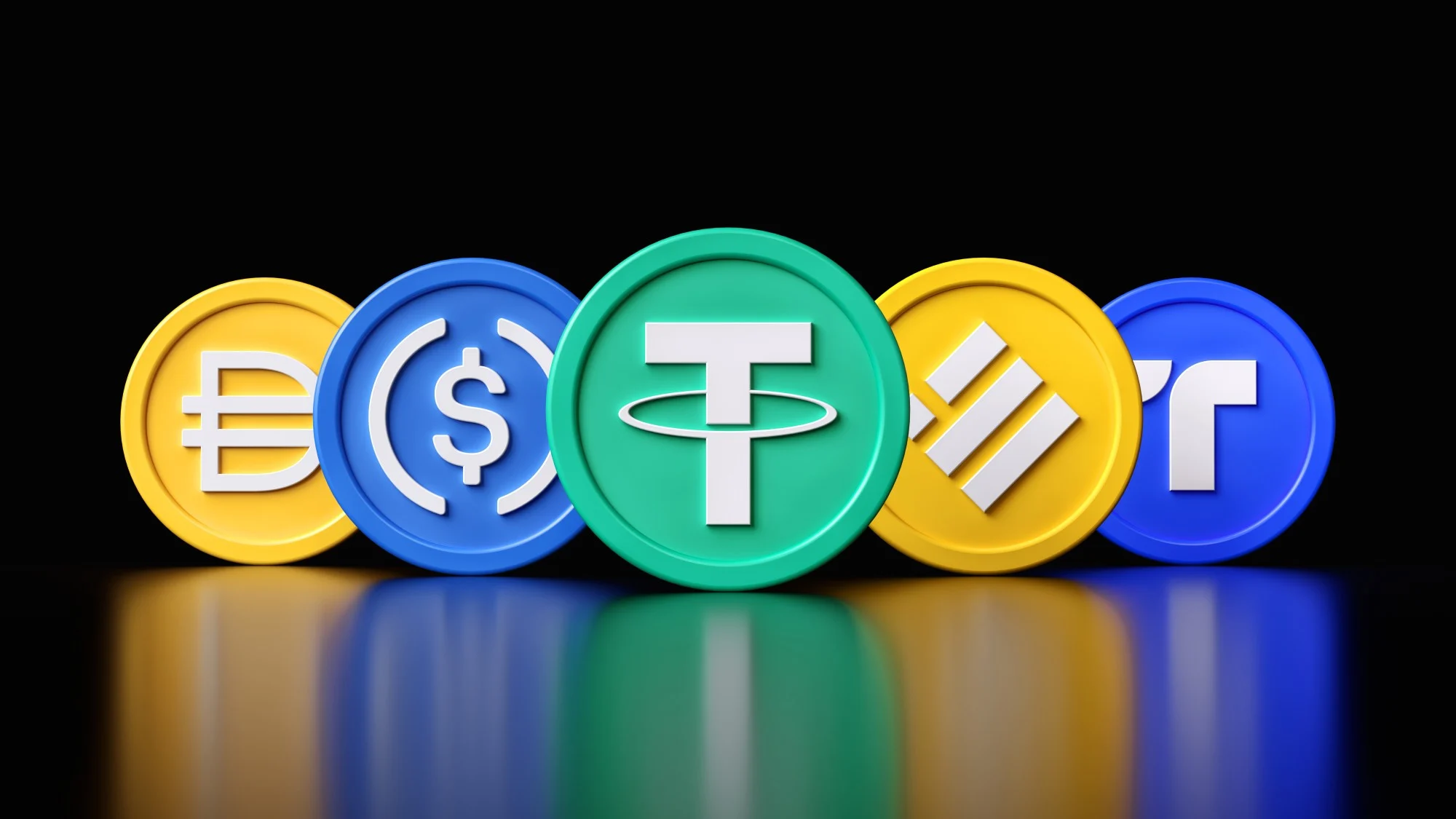
Photo: South China Morning Post
Introduction to a New Financial Lever
The cryptocurrency industry is entering a phase where stablecoins are no longer just tools for traders but instruments with real geopolitical weight. What began as a solution to volatility has evolved into a mechanism that quietly connects national currencies global payments and digital markets. This shift is changing how power is exercised in finance without the noise of traditional political conflict.
Understanding Stablecoins Beyond Price Stability
Stablecoins are designed to maintain a consistent value often linked to fiat currencies like the United States dollar. Their true importance now lies in how easily they move across borders. Unlike traditional banking rails stablecoins operate continuously and globally allowing value transfer without reliance on correspondent banks or legacy settlement systems.
Digital Dollars as Global Liquidity
Dollar linked stablecoins have become the most widely used form of digital liquidity in crypto markets. In regions with weak local currencies these tokens act as a practical substitute for savings and payments. This organic adoption extends the influence of the dollar into economies where access to formal dollar accounts is limited or restricted.
Geopolitical Influence Without Formal Policy
Unlike sanctions trade agreements or central bank actions stablecoins spread influence without official mandates. When businesses and individuals choose dollar based stablecoins for convenience stability or trust they indirectly reinforce the dominance of that currency. This creates a form of soft financial power driven by technology rather than diplomacy.
Impact on Emerging Markets
In emerging economies stablecoins are increasingly used for remittances commerce and capital preservation. They reduce dependence on unstable banking systems and lower transaction costs. At the same time this trend challenges local monetary control as value flows outside domestic financial infrastructure.
Crypto Markets and Stablecoin Gravity
Within crypto markets stablecoins function as the primary base asset for trading lending and yield strategies. Liquidity often concentrates around the most trusted issuers. This gives stablecoin providers enormous influence over market stability sentiment and capital rotation especially during periods of volatility.
Regulation as the Next Battleground
Governments are beginning to recognize that stablecoins sit at the intersection of technology finance and sovereignty. Regulatory frameworks are forming around reserves transparency and issuance rights. How these rules evolve will determine whether stablecoins remain open market tools or become tightly managed extensions of national policy.
Private Issuers and Public Consequences
Most major stablecoins are issued by private entities rather than governments. This creates a unique dynamic where private balance sheets carry public level importance. Trust in these issuers now affects not only crypto traders but also cross border commerce and financial inclusion.
The Strategic Future of Stablecoins
As adoption grows stablecoins may influence how future digital currencies are designed and deployed. Central banks are watching closely learning from market driven models rather than leading them. The line between private innovation and public monetary authority is becoming less distinct.
Conclusion A Silent Transformation in Motion
Stablecoins represent one of the most understated yet powerful developments in the crypto industry. They are not just price stable tokens but vehicles of influence access and control. As they continue to integrate into global finance their role will shape markets economies and geopolitical relationships in ways that are only beginning to be understood.

Popular articles



Subscribe to unlock premium content
Disney’s Timeless Magic and How the Entertainment Giant Continues to Shape Culture and Innovation

Imran Khan’s Economic Missteps Amid Political Chaos in Pakistan
The Philippines’ Digital Shift How Remittances and BPO Are Fueling Growth

Disney’s Timeless Magic and How the Entertainment Giant Continues to Shape Culture and Innovation
Imran Khan’s Economic Missteps Amid Political Chaos in Pakistan
Disney’s Timeless Magic and How the Entertainment Giant Continues to Shape Culture and Innovation