Moody’s Brings Blockchain Based Credit Ratings to Tokenized Assets and Accelerates Institutional Adoption

Moody’s Brings Blockchain Based Credit Ratings to Tokenized Assets and Accelerates Institutional Adoption
By
Alina Sinclair
Last updated:
June 18, 2026
First Published:
June 18, 2026


The cryptocurrency and blockchain industries have spent years working toward a future where digital assets can operate within the same trusted framework that supports traditional financial markets. One of the most important barriers to widespread institutional adoption has been the lack of familiar tools that investors use to evaluate risk and make informed decisions.
A significant step toward solving this challenge has emerged through the introduction of blockchain based credit ratings for tokenized assets. By integrating credit assessments directly into digital financial products, the industry is creating a bridge between conventional investment practices and the rapidly growing world of tokenized finance.
This development represents far more than a technological upgrade. It signals the growing maturity of blockchain infrastructure and highlights how traditional financial expertise is being incorporated into next generation digital markets.
Understanding Tokenized Assets
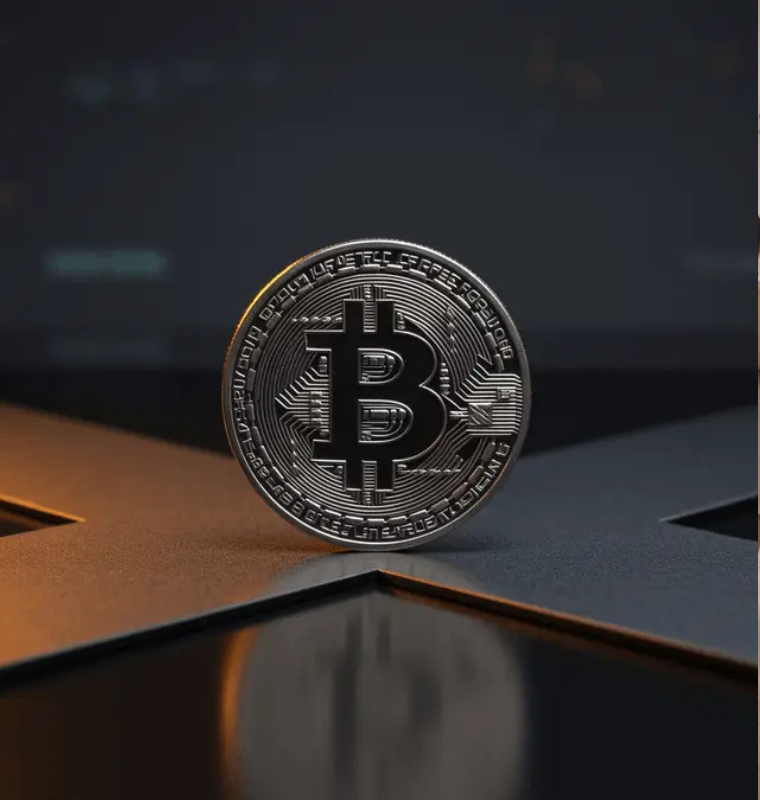
Tokenized assets are digital representations of real world financial instruments that exist on blockchain networks. These assets can include bonds, stocks, real estate interests, investment funds, commodities, and many other forms of value.
The process of tokenization converts ownership rights into digital tokens that can be transferred, traded, and managed through blockchain technology. This approach offers numerous advantages including improved efficiency, greater accessibility, enhanced transparency, and potentially lower operational costs.
As tokenization continues expanding across financial markets, investors are seeking reliable methods for evaluating the quality and risk profile of these assets.
Why Credit Ratings Matter
Credit ratings have long served as an essential component of traditional finance. Investors rely on ratings to assess the likelihood that borrowers will meet their financial obligations and to better understand the risk associated with specific investments.
Whether evaluating corporate bonds, government debt, structured financial products, or other investment vehicles, credit ratings provide valuable information that helps market participants make more informed decisions.
The absence of standardized risk assessment tools has been one of the challenges limiting broader institutional participation in tokenized markets. Integrating credit evaluations into blockchain based assets addresses a critical need within the evolving digital finance ecosystem.
Bringing Familiar Financial Standards to Blockchain
Institutional investors typically require detailed risk analysis before allocating capital to new asset classes. Many organizations operate under strict investment guidelines that emphasize transparency, accountability, and measurable risk management standards.
By embedding recognized credit assessments within tokenized assets, blockchain markets become more compatible with existing institutional processes. Investors gain access to information that aligns with traditional financial evaluation methods while benefiting from the technological advantages of blockchain infrastructure.
This combination of innovation and familiarity could play a major role in encouraging greater participation from professional investors.
The Growing Importance of On Chain Financial Information
Blockchain technology is often praised for its transparency because transaction records are permanently stored on distributed ledgers. However, raw transaction data alone does not necessarily provide investors with a complete understanding of an asset's financial quality.
Adding credit information directly to blockchain based assets creates a richer and more informative investment environment. Investors can potentially access critical risk data alongside ownership records and transaction history.
This enhanced information layer may improve decision making while reducing some of the uncertainties that have historically surrounded emerging digital asset markets.
Institutional Adoption Continues to Expand
One of the most important trends in recent years has been the growing involvement of institutional investors within digital asset markets. Major financial institutions, asset managers, banks, and investment firms are increasingly exploring blockchain based opportunities.
However, institutional participation often depends on the availability of professional grade infrastructure. Risk management systems, regulatory compliance frameworks, custody solutions, and reliable asset evaluations are all essential components of institutional investment strategies.
The integration of credit ratings into tokenized assets helps address one of these critical requirements and may accelerate adoption among large financial organizations.
Tokenization Is Reshaping Capital Markets
The broader tokenization movement is attracting attention from governments, financial institutions, technology companies, and investment professionals around the world. Many industry leaders believe tokenization could fundamentally transform how assets are issued, managed, traded, and settled.
Traditional financial processes often involve multiple intermediaries, lengthy settlement periods, and complex administrative procedures. Blockchain technology has the potential to streamline many of these functions through automation and digital infrastructure.
As tokenized markets continue developing, additional services such as integrated credit ratings can further enhance efficiency and investor confidence.
Improving Transparency and Market Confidence
Confidence is one of the most valuable assets in any financial system. Investors are more likely to participate in markets where information is readily available and risk can be evaluated accurately.
Blockchain based credit ratings contribute to transparency by providing standardized assessments that investors can use when comparing opportunities. This additional layer of insight may reduce uncertainty and support more informed capital allocation decisions.
Greater transparency can also encourage broader participation from institutions that may have previously viewed tokenized markets as too complex or insufficiently developed.
Challenges Remain Despite the Progress
Although the integration of credit ratings represents a significant advancement, several challenges remain. Tokenized asset markets are still relatively young compared to traditional financial systems, and regulatory frameworks continue evolving across different jurisdictions.
Investors must also recognize that credit ratings are only one component of a comprehensive investment analysis process. Market conditions, liquidity considerations, operational risks, and regulatory developments all influence asset performance.
Successfully integrating traditional financial tools into blockchain ecosystems will require ongoing collaboration among technology providers, financial institutions, regulators, and investors.
The Future of Digital Finance
The combination of blockchain technology and established financial methodologies is creating new possibilities for global capital markets. As more traditional financial services become integrated into decentralized infrastructure, the distinction between conventional finance and digital finance may continue to diminish.
Future developments could include additional forms of on chain financial analysis, automated compliance solutions, enhanced reporting systems, and more sophisticated risk management tools.
These innovations have the potential to make tokenized markets more accessible, efficient, and attractive to a wider range of participants.
Why This Development Matters for the Crypto Industry
For the cryptocurrency and blockchain sector, the introduction of blockchain based credit ratings represents an important milestone in the journey toward mainstream acceptance. It demonstrates that digital asset markets are evolving beyond speculative trading and moving toward comprehensive financial ecosystems.
The incorporation of trusted financial assessment mechanisms helps strengthen credibility while addressing concerns that have historically limited institutional engagement.
As infrastructure continues improving, blockchain technology is increasingly positioned to support a broader range of real world financial applications.
The integration of credit ratings into tokenized assets marks a significant advancement in the evolution of digital finance. By combining the analytical rigor of traditional financial markets with the efficiency and transparency of blockchain technology, the industry is creating a stronger foundation for future growth.
Institutional investors, financial institutions, and market participants are likely to view these developments as an important step toward greater market maturity. As tokenization continues transforming capital markets, tools that improve transparency and risk assessment will play an increasingly vital role.
The future of finance may not belong exclusively to traditional systems or blockchain networks. Instead, it is likely to emerge from the successful integration of both worlds, creating a more connected, efficient, and accessible financial ecosystem for investors around the globe.

Popular articles



Subscribe to unlock premium content
Ripple and Bitso Expand Partnership as RLUSD Stablecoin Ecosystem Gains Momentum
Bybit Introduces Tokenized SpaceX IPO Shares in Landmark Real World Asset Initiative
Crypto Tax Debate Intensifies in Washington Over Mining and Staking Rewards

Ripple and Bitso Expand Partnership as RLUSD Stablecoin Ecosystem Gains Momentum
Bybit Introduces Tokenized SpaceX IPO Shares in Landmark Real World Asset Initiative
Ripple and Bitso Expand Partnership as RLUSD Stablecoin Ecosystem Gains Momentum