Minnesota Moves Toward Crypto Kiosk Restrictions Amid Rising Fraud Concerns

Minnesota Moves Toward Crypto Kiosk Restrictions Amid Rising Fraud Concerns
By
Augusta Parker
Last updated:
April 23, 2026
First Published:
April 25, 2026

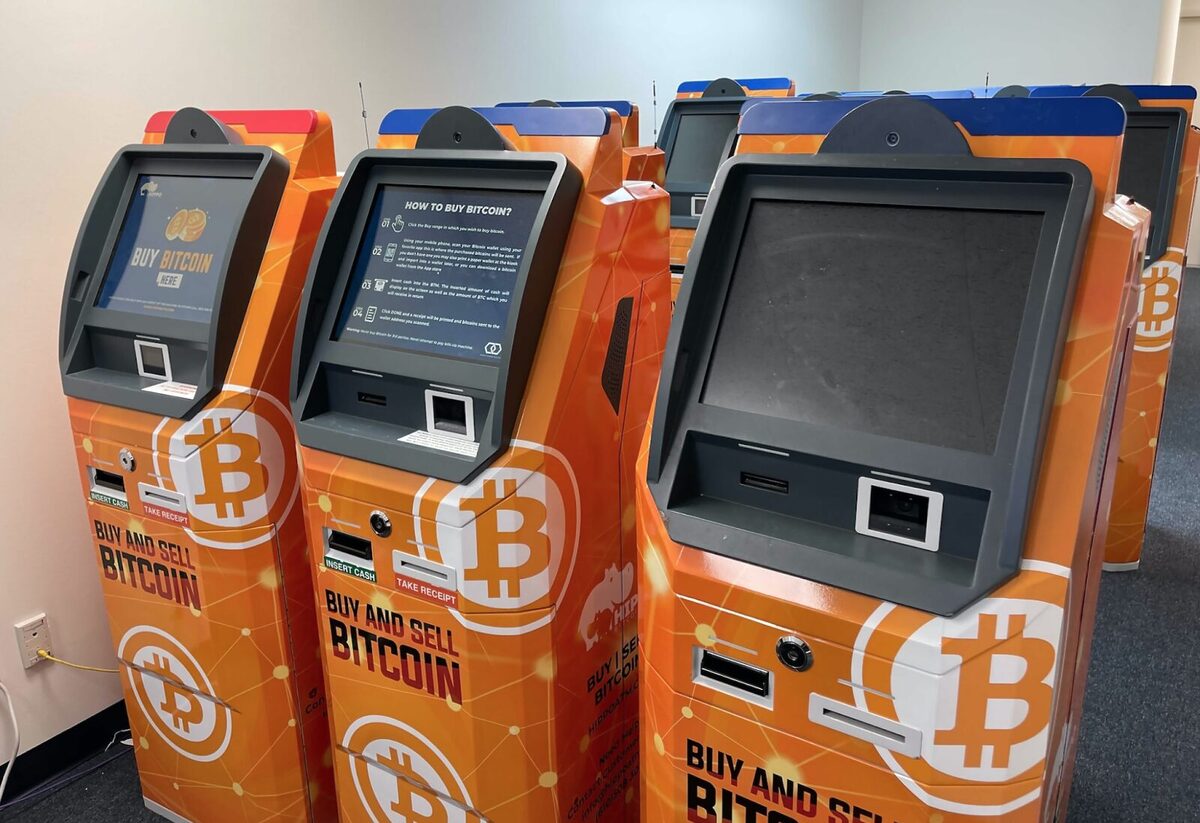
Photo: DailyCoin
Minnesota lawmakers are advancing a new legislative proposal that targets cryptocurrency kiosks in response to a growing wave of fraud cases linked to these machines. The bill reflects increasing concern among regulators about how quickly scammers have been able to exploit cash based crypto access systems.
The proposed restrictions focus on limiting or potentially banning certain kiosk operations that allow users to convert cash into digital assets with minimal identity verification. Lawmakers argue that these systems have become a preferred tool for fraud networks targeting vulnerable individuals.
One of the primary drivers behind the legislation is the rise in reported scams involving impersonation tactics. Victims are often instructed by fraudsters to deposit cash into crypto kiosks under the false belief that they are resolving legal or financial issues. Once the funds are converted into cryptocurrency, recovery becomes extremely difficult.
Regulators are now under pressure to respond more aggressively as these incidents continue to increase. Law enforcement agencies have reported that kiosk based fraud cases are not only growing in number but also in financial scale, with some individuals losing significant life savings in a single transaction.
The bill being discussed does not only aim to restrict usage but also introduces stricter compliance requirements for operators. These may include enhanced identity checks, transaction monitoring, and clearer warning systems displayed directly on kiosk interfaces.
Industry observers note that cryptocurrency kiosks occupy a unique position in the digital asset ecosystem. They serve as one of the few physical entry points into crypto markets, making them accessible to users who may not be comfortable with online exchanges or banking integrations.
However, this accessibility is also what makes them vulnerable. Unlike traditional financial platforms that have layered security systems and institutional oversight, kiosks often operate with simplified user flows that can be exploited by malicious actors.
Crypto advocates argue that outright bans could limit financial inclusion for individuals who rely on cash based access to digital assets. They suggest that better education and improved security design may be more effective than removing kiosks entirely from the market.
On the other hand, consumer protection groups support stronger intervention, pointing out that the current safeguards are not sufficient to prevent repeat victimization. They emphasize that many users targeted by scams are elderly or inexperienced with digital financial systems.
The debate highlights a broader tension within the cryptocurrency industry between accessibility and security. As digital assets become more integrated into everyday financial activity, the challenge of protecting users without restricting innovation becomes increasingly complex.
If the legislation passes, Minnesota could become one of the first regions in the country to implement strict controls or bans on cryptocurrency kiosks. This would likely influence other jurisdictions that are monitoring the effectiveness of such measures.
Market participants are also paying attention to the outcome, as regulatory actions at the state level often contribute to broader national discussions. While kiosks represent a small portion of overall crypto trading volume, they play a symbolic role in how regulators approach consumer protection in the digital asset space.
In conclusion, the proposed action by Minnesota lawmakers represents a significant moment in the ongoing effort to balance innovation with safety. As cryptocurrency adoption continues to expand, regulatory frameworks are being tested in real time, and kiosk restrictions may become an early example of how governments respond to emerging risks in the digital financial landscape.
Popular articles



Subscribe to unlock premium content
Ripple and Bitso Expand Partnership as RLUSD Stablecoin Ecosystem Gains Momentum

Bybit Introduces Tokenized SpaceX IPO Shares in Landmark Real World Asset Initiative
Crypto Tax Debate Intensifies in Washington Over Mining and Staking Rewards
Ripple and Bitso Expand Partnership as RLUSD Stablecoin Ecosystem Gains Momentum
Bybit Introduces Tokenized SpaceX IPO Shares in Landmark Real World Asset Initiative
Ripple and Bitso Expand Partnership as RLUSD Stablecoin Ecosystem Gains Momentum