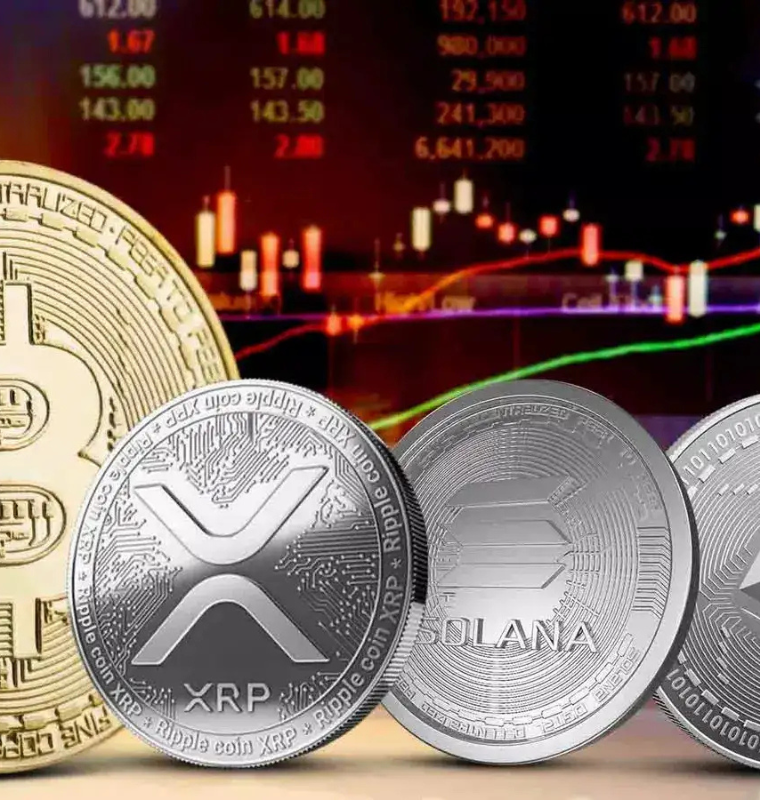
Major Tokens Slide as December Begins with Sharp Declines in Ethereum XRP and Other Market Leaders

Major Tokens Slide as December Begins with Sharp Declines in Ethereum XRP and Other Market Leaders
By
Rachel Steinberg
Last updated:
December 1, 2025
First Published:
December 2, 2025


A Rough Opening for the New Month
The crypto market entered December with a wave of losses that immediately grabbed global attention. Ethereum XRP and several other top digital assets experienced notable declines within hours of the new trading cycle. The pullback came just after Bitcoin’s retreat and added further pressure on an already unstable market environment. The synchronized downturn suggests that traders were bracing for turbulence even before the month began.
A Broad Market Retreat With No Single Trigger
Unlike sudden crashes tied to specific events this decline developed from a blend of unfavorable conditions. Investors have been wrestling with lingering macroeconomic worries and uncertainty surrounding global liquidity trends. With trading volumes already thinning, a moderate wave of selling quickly snowballed into a widespread slide. The atmosphere felt tense as traders watched multiple major assets lose value simultaneously.
Ethereum Takes a Significant Hit
Ethereum’s drop stood out as one of the most significant among the large caps. As the second largest cryptocurrency it often reflects broader market health and its decline sparked deeper concern that the downturn may be part of a larger pattern. The slump also reignited discussions about network fees, scaling progress and the shifting landscape of smart contract competitors.
XRP Faces Renewed Pressure
XRP was not spared from the wave of losses. Despite maintaining a resilient user base and active community support the token saw noticeable price pressure as investors reassessed short term risk. The decline raised questions about how regulatory developments and evolving cross border payment competition might influence the asset moving forward.
Altcoins Feel the Strain Even More
While leading assets captured headlines smaller altcoins dealt with even steeper declines. Many mid cap and emerging tokens felt the impact of low liquidity and thin order books which amplified downward movements. For newer projects still working to build traction this early month setback added an unexpected layer of difficulty.
Liquidity Remains a Central Concern
Low liquidity has become a recurring theme in recent market behavior. This month’s downturn highlighted just how vulnerable digital asset prices can be when order book depth evaporates. Traders attempting to exit their positions quickly found that even modest sell orders caused disproportionate movement. Market makers have also become more cautious which contributes to a fragile trading environment.
Growing Risk Aversion Among Investors
The mood across trading communities has shifted toward caution. Many investors now prefer to wait for clearer signals rather than buy aggressively during dips. This behavior indicates that the market is in a risk off phase where preservation often outweighs opportunity seeking. The mindset change is particularly evident among short term traders and high frequency participants.
Institutional Participants Reduce Exposure
Signs of institutional withdrawal have also been observed. Large holders appear to be trimming positions or pausing accumulation as macroeconomic uncertainty persists. These adjustments significantly influence market dynamics because institutions often provide the stability that supports healthy price formation. Their temporary retreat leaves the market more vulnerable to volatility.
Market Analysts Warn of Short Term Challenges
Analysts across several financial communities are warning that the market may face short term challenges unless liquidity returns and sentiment improves. Although long term fundamentals for many assets remain intact the near term picture is clouded by caution. Observers are watching for developments that might restore confidence such as regulatory updates, partnerships or meaningful technological improvements.
A Turning Point or a Temporary Setback
The early December decline may represent either the beginning of a deeper correction or simply another chapter in the market’s natural cycle of ups and downs. What remains clear is that the crypto ecosystem is navigating a fragile moment that requires patience, resilience and strategic decision making. As the month progresses investors will be closely watching whether the market can regain balance or whether further turbulence lies ahead.

Popular articles



Subscribe to unlock premium content
Disney’s Timeless Magic and How the Entertainment Giant Continues to Shape Culture and Innovation

Imran Khan’s Economic Missteps Amid Political Chaos in Pakistan

The Philippines’ Digital Shift How Remittances and BPO Are Fueling Growth

Disney’s Timeless Magic and How the Entertainment Giant Continues to Shape Culture and Innovation
Imran Khan’s Economic Missteps Amid Political Chaos in Pakistan
Disney’s Timeless Magic and How the Entertainment Giant Continues to Shape Culture and Innovation