Institutional Influence Rises as BlackRock Expands Its Bitcoin ETF Holdings

Institutional Influence Rises as BlackRock Expands Its Bitcoin ETF Holdings
By
Calder Monroe
Last updated:
December 4, 2025
First Published:
December 4, 2025

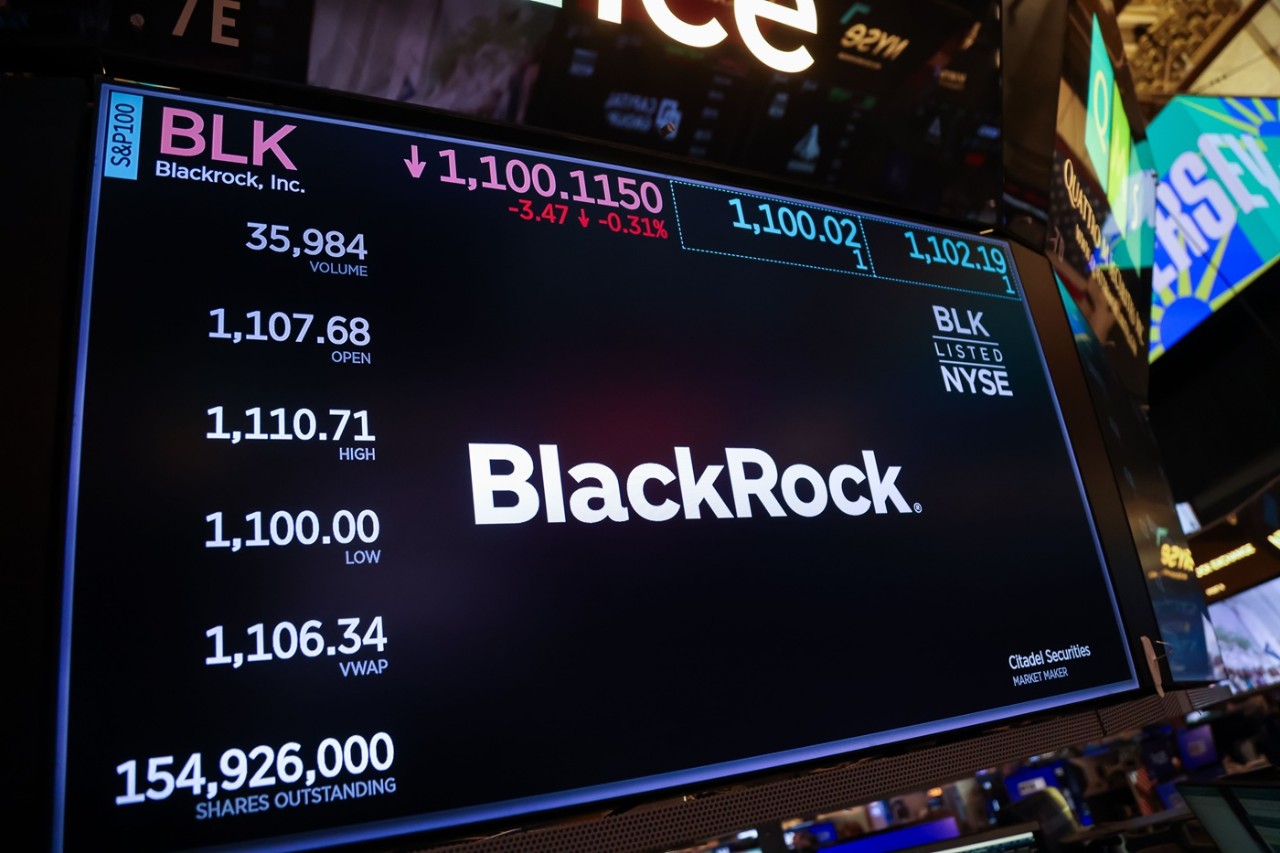
Photo: IG
The rise of institutional ownership is changing the balance of the crypto market
The cryptocurrency landscape is undergoing a powerful shift as institutions like BlackRock accumulate a growing portion of the circulating Bitcoin supply. What once felt like a community driven ecosystem is now increasingly shaped by major players that manage enormous pools of capital. This change has sparked widespread discussion about the future of decentralization and the long term direction of the digital asset market.
Wall Street is entering a new phase of steady accumulation
BlackRock’s continued expansion of its Bitcoin ETF holdings has created a new environment where accumulation no longer comes in sudden emotional waves. Instead the flow of capital is steady and disciplined reflecting the investment style typical of large financial firms. This calm yet persistent accumulation is being interpreted by many observers as a sign that Bitcoin is becoming a true long term asset class.
The presence of smart money is influencing trader behavior
When retail traders see major institutions deepening their exposure to Bitcoin the psychological impact is immediate. People begin to believe that the asset has reached a level of acceptance that even conservative investors trust. This belief often inspires individuals to reconsider their own long term strategies and move away from short term speculation toward more confident accumulation.
Increasing institutional control is raising conversations about concentration
Although institutional participation brings credibility it also raises concerns about supply concentration. A large portion of Bitcoin held by a few financial giants may shift power toward centralized custodians even though the network itself remains decentralized. This has become an important topic in the community because it challenges the early vision of widely distributed ownership.
Long horizon investment strategies are reshaping expectations
What separates institutional investors from typical retail traders is their reliance on deep research and long term forecasting. When firms like BlackRock increase their Bitcoin exposure it signals that they view the asset as a durable store of value rather than a speculative trend. This shift in attitude encourages the market to adopt more patient strategies rather than short lived trading habits.
Retail investors are responding to institutional confidence
As institutions show conviction in the asset retail investors often follow. The presence of respected financial brands gives people a sense of stability even during volatile periods. This growing confidence contributes to smoother market cycles where fewer participants panic at short term price swings.
Professional investors are shaping the new market structure
The increasing involvement of institutions is transforming how the market behaves. Professional execution strategies create deeper liquidity and more controlled price movements compared with earlier years. While large corrections still occur the overall environment feels more structured and predictable.
Traditional finance is becoming deeply intertwined with digital assets
BlackRock’s growing footprint in Bitcoin investment represents a larger trend of traditional finance merging with crypto. As digital assets earn legitimacy among the world’s most influential financial organizations they attract interest from pension funds and global investment firms. This interconnectedness is gradually reshaping expectations for transparency regulation and risk management.
The next decade may be defined by institutional market dominance
If institutions continue to accumulate Bitcoin at their current pace they may eventually control a significant portion of the available supply. Such a scenario would deeply affect liquidity cycles and market psychology. The future of Bitcoin could be shaped more by strategic investment decisions made in boardrooms than by short lived retail sentiment.
A pivotal moment where two financial worlds converge
The steady expansion of BlackRock’s holdings signals a major turning point in the evolution of digital finance. Bitcoin has reached a stage where it can no longer be ignored by traditional financial powerhouses. As both the crypto native community and established institutions navigate this new landscape the decisions made during this period will define the future of digital wealth creation.

Popular articles



Subscribe to unlock premium content
Disney’s Timeless Magic and How the Entertainment Giant Continues to Shape Culture and Innovation

Imran Khan’s Economic Missteps Amid Political Chaos in Pakistan

The Philippines’ Digital Shift How Remittances and BPO Are Fueling Growth

Disney’s Timeless Magic and How the Entertainment Giant Continues to Shape Culture and Innovation
Imran Khan’s Economic Missteps Amid Political Chaos in Pakistan
Disney’s Timeless Magic and How the Entertainment Giant Continues to Shape Culture and Innovation