

India Keeps Crypto Tax Rules Unchanged in Budget 2026
By
Augusta Parker
Last updated:
February 1, 2026
First Published:
April 25, 2026

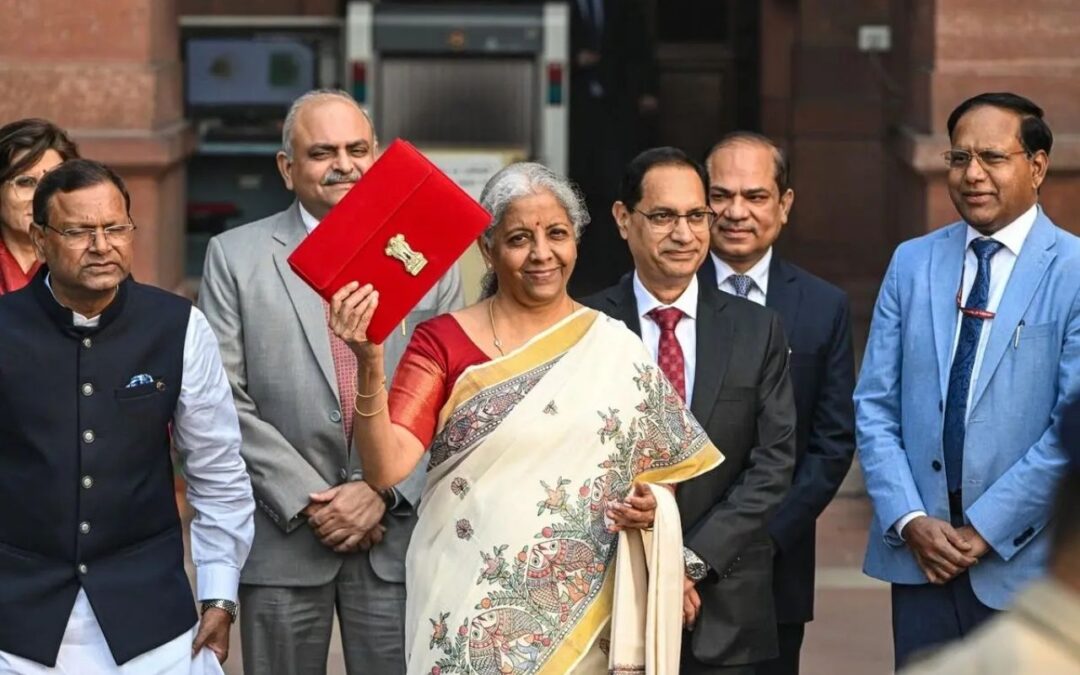
Photo: Trade Brains
Budget 2026 and the Crypto Industry Context
India Budget 2026 arrived with high expectations from the digital asset industry. Over the past year crypto businesses investors and entrepreneurs anticipated some form of relief or restructuring in the existing tax framework. Instead the government chose continuity leaving the current crypto taxation rules untouched and signaling a cautious stance toward the sector.
Current Tax Structure Remains in Place
Under the existing framework profits from crypto transactions continue to be taxed at a flat rate with no allowance for loss offset. Additionally transaction level deductions remain active. These measures were originally introduced to discourage speculative excess while increasing reporting transparency. Budget 2026 confirmed that these rules will continue without modification.
Industry Reaction and Growing Frustration
The lack of reform has led to disappointment across exchanges startups and individual investors. Many industry participants argue that the current structure reduces trading activity and pushes users toward offshore platforms. For a sector that thrives on liquidity and participation this stagnation creates long term challenges.
Impact on Retail Investors
Retail participants are among the most affected by unchanged taxation. High effective tax rates combined with restrictions on loss adjustments reduce incentives for active participation. This environment encourages passive holding or complete exit from domestic platforms weakening local market depth.
Effect on Indian Crypto Exchanges
Domestic exchanges continue to face declining volumes compared to global competitors. Without tax relief or regulatory clarity user migration remains a concern. Exchanges must now focus on compliance efficiency education and alternative revenue streams to maintain sustainability.
Government Perspective and Caution
From a policy standpoint the government appears focused on risk containment rather than growth acceleration. Authorities remain concerned about consumer protection capital flight and financial stability. Maintaining the existing tax regime allows regulators to monitor the sector without introducing rapid changes.
Missed Opportunity for Innovation Leadership
India has one of the largest pools of blockchain developers and crypto users globally. Industry leaders view Budget 2026 as a missed opportunity to position the country as a digital asset innovation hub. Progressive tax reform could have encouraged startups to build and scale domestically.
Long Term Implications for Adoption
Continued tax rigidity may slow mainstream adoption within India. While interest in crypto remains strong barriers to participation reduce experimentation and learning. Over time this could place India behind jurisdictions that adopt more balanced regulatory approaches.
Shift Toward Blockchain Without Tokens
An interesting outcome of the current environment is increased focus on blockchain technology separate from tradable tokens. Enterprises and developers are exploring permissioned systems and infrastructure use cases that fall outside crypto taxation concerns. This reflects adaptation rather than abandonment of the sector.
What the Industry Is Hoping For Next
Despite disappointment optimism has not fully disappeared. Many expect gradual engagement between policymakers and industry representatives in the coming years. Clearer classifications reduced friction and rational taxation remain key demands moving forward.
Conclusion A Period of Waiting and Adjustment
Budget 2026 reinforces that India crypto policy is evolving slowly and deliberately. While the unchanged tax structure brings certainty it also delays growth oriented reforms. The industry now enters another year of adaptation waiting for signals that innovation and regulation can move forward together.
Popular articles



Subscribe to unlock premium content
Ripple and Bitso Expand Partnership as RLUSD Stablecoin Ecosystem Gains Momentum

Bybit Introduces Tokenized SpaceX IPO Shares in Landmark Real World Asset Initiative
Crypto Tax Debate Intensifies in Washington Over Mining and Staking Rewards
Ripple and Bitso Expand Partnership as RLUSD Stablecoin Ecosystem Gains Momentum
Bybit Introduces Tokenized SpaceX IPO Shares in Landmark Real World Asset Initiative
Ripple and Bitso Expand Partnership as RLUSD Stablecoin Ecosystem Gains Momentum