Global Regulators and Banks Struggle with Crypto Integration Despite Rising Demand

Global Regulators and Banks Struggle with Crypto Integration Despite Rising Demand
By
Leah Rosenfeld
Last updated:
April 29, 2026
First Published:
April 29, 2026

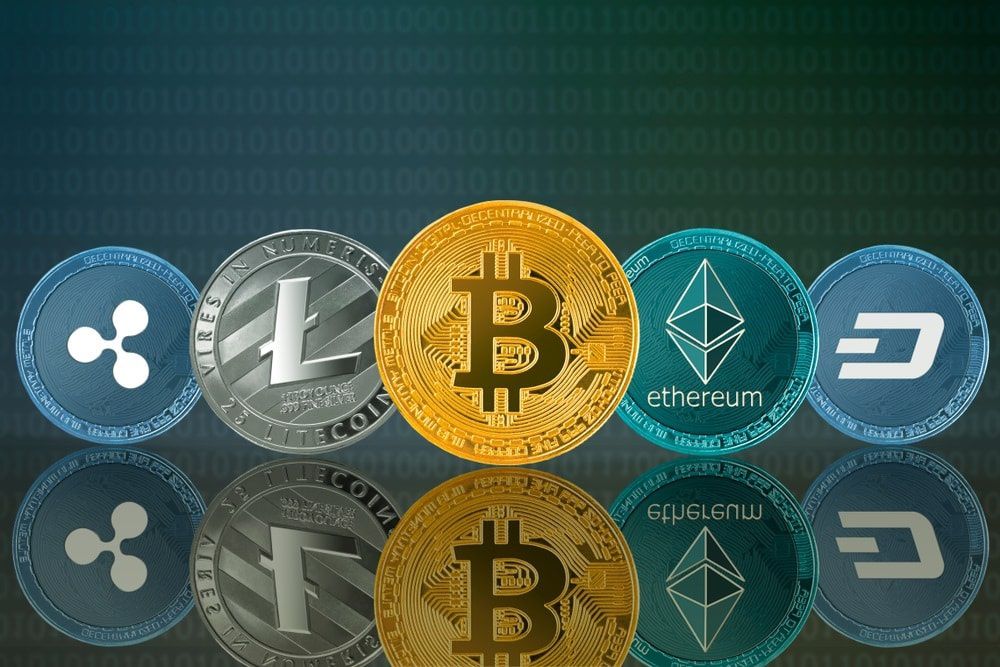
The global financial system is entering a complex transition phase as demand for cryptocurrency services continues to rise, while traditional banks and regulators struggle to fully integrate digital assets into existing frameworks. The tension between innovation and compliance has become one of the defining challenges of the current financial era.
Across multiple regions, financial institutions are reporting increased client interest in cryptocurrency related services. These include custody solutions, trading access, settlement infrastructure, and token based payment systems. Despite this demand, implementation remains slow due to regulatory uncertainty and operational constraints.
One of the core challenges lies in the fragmented regulatory landscape. Different jurisdictions apply varying standards to digital assets, creating inconsistency in how banks can legally engage with cryptocurrency markets. This lack of uniformity makes it difficult for global institutions to develop unified strategies.
Organizations such as the Bank for International Settlements have repeatedly highlighted the need for coordinated global frameworks. However, achieving consensus among regulators remains difficult due to differing national priorities and risk appetites.
Traditional banks also face internal infrastructure limitations. Many legacy banking systems were not designed to interact with blockchain based networks, which operate continuously and require faster settlement capabilities. Upgrading these systems requires significant investment and time.
Risk management is another major concern. Banks must comply with strict anti money laundering rules, counter terrorism financing regulations, and customer verification standards. Integrating cryptocurrency services into these frameworks introduces additional complexity, especially given the pseudonymous nature of blockchain transactions.
Despite these challenges, customer demand continues to grow. Institutional investors, corporations, and retail clients are increasingly seeking exposure to digital assets. This pressure is forcing banks to explore limited integration models, such as partnerships with crypto custodians and third party service providers.
Regulators are also facing a balancing act. On one hand, they aim to protect financial stability and prevent illicit activity. On the other hand, overly restrictive policies risk pushing innovation offshore, where oversight may be weaker. This creates a difficult policy environment.
Some financial institutions have begun experimenting with controlled pilot programs. These initiatives typically involve restricted access to crypto services under strict supervision. While these pilots demonstrate feasibility, they are not yet scalable to full market adoption.
Technology integration remains a critical bottleneck. Blockchain systems operate in a decentralized and continuous manner, while traditional banking infrastructure relies on batch processing and centralized control. Bridging this gap requires not only software upgrades but also changes in operational philosophy.
Another issue is talent shortage. Banks and regulatory bodies often lack professionals with deep expertise in blockchain architecture, cryptographic systems, and decentralized finance mechanisms. This skills gap slows down implementation and increases reliance on external consultants.
Security considerations further complicate adoption. Digital asset custody requires advanced key management systems and robust cybersecurity protocols. Any failure in these areas can lead to irreversible asset loss, making institutions highly cautious in their approach.
Market infrastructure is also still evolving. While cryptocurrency exchanges and decentralized platforms have developed rapidly, integration with traditional clearing and settlement systems remains incomplete. This limits seamless interaction between fiat and digital asset ecosystems.
Despite these obstacles, long term trends suggest gradual convergence. Financial institutions are increasingly acknowledging that digital assets will remain part of the financial landscape. The current phase is therefore characterized not by rejection, but by cautious experimentation and incremental adoption.
In conclusion, the struggle between rising demand for cryptocurrency services and the slow pace of institutional integration reflects a broader transformation in global finance. While regulators and banks continue to navigate structural and regulatory barriers, the direction of travel points toward eventual coexistence between traditional systems and digital asset infrastructure.

Popular articles



Subscribe to unlock premium content
Imran Khan’s Economic Missteps Amid Political Chaos in Pakistan

The Philippines’ Digital Shift How Remittances and BPO Are Fueling Growth

Is the Era of Globalization Over or Just Evolving?
Imran Khan’s Economic Missteps Amid Political Chaos in Pakistan
The Philippines’ Digital Shift How Remittances and BPO Are Fueling Growth
Imran Khan’s Economic Missteps Amid Political Chaos in Pakistan