Global Crypto Markets Enter Cautious Phase as Investors Monitor Regulation and ETF Flows

Global Crypto Markets Enter Cautious Phase as Investors Monitor Regulation and ETF Flows
By
Leah Rosenfeld
Last updated:
May 17, 2026
First Published:
May 17, 2026


Photo: OW Markets
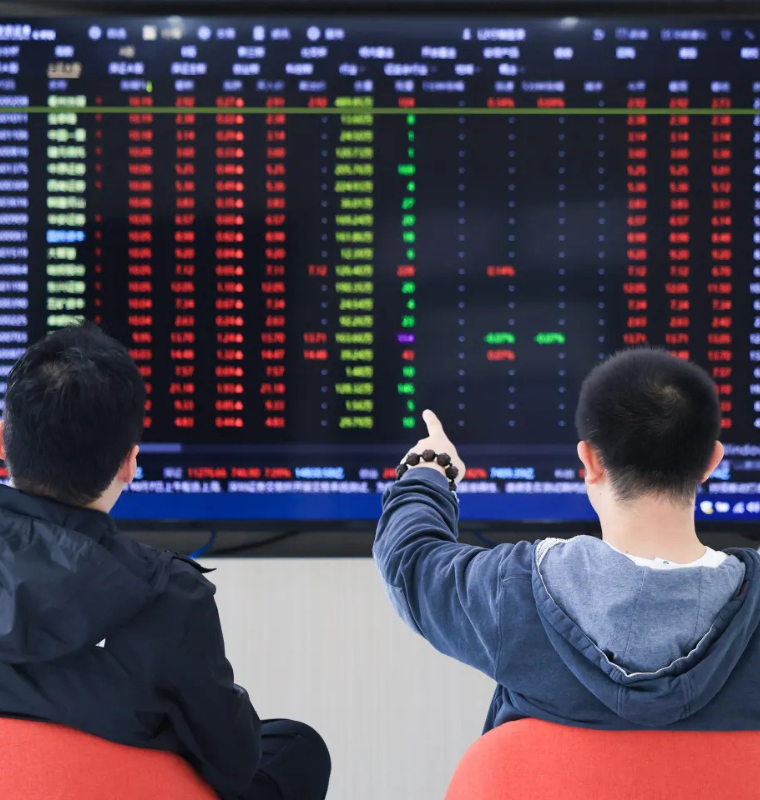
Global cryptocurrency markets entered a cautious phase as investors increasingly focused on regulatory developments, exchange traded fund flows, and broader macroeconomic signals. After periods of strong volatility driven by policy discussions and institutional participation, market sentiment has shifted toward a more defensive posture where traders are carefully evaluating risk before making large capital allocations.
The cooling momentum does not indicate a collapse in confidence, but rather a transitional phase in which market participants are reassessing expectations about how quickly the crypto industry will mature into a stable component of global finance. This shift is particularly visible across Bitcoin, Ethereum, and major altcoins, all of which have shown reduced volatility compared to earlier trading periods marked by rapid speculative movements.
Regulation Continues to Shape Investor Behavior
Regulatory developments remain one of the most influential forces in the cryptocurrency market. Investors are closely watching legislative progress in major economies, particularly the United States, where ongoing discussions about digital asset frameworks continue to shape long term expectations.
Market participants increasingly recognize that regulation is no longer a distant concern but a central driver of valuation, liquidity, and institutional participation. Even minor policy signals can trigger significant changes in sentiment, especially among large funds that must comply with strict compliance requirements.
This heightened sensitivity to regulation has contributed to the current cautious phase, as investors wait for clearer outcomes before increasing exposure to digital assets. Uncertainty often leads to reduced risk appetite, which in turn slows trading activity and limits upward price momentum.
ETF Flows Become a Key Market Indicator
Exchange traded fund flows have emerged as a critical barometer of institutional sentiment within the cryptocurrency ecosystem. These investment products allow traditional investors to gain exposure to digital assets without directly holding cryptocurrencies, making them an important bridge between conventional finance and blockchain markets.
Recent fluctuations in ETF inflows and outflows have signaled shifting institutional behavior. Periods of inflow tend to support bullish momentum, while outflows often reflect caution or profit taking among large investors. This dynamic has made ETF data one of the most closely watched indicators in the market.
Analysts note that ETF performance is increasingly influencing short term price movements in major cryptocurrencies. As a result, traders are paying closer attention to institutional capital flows rather than relying solely on retail sentiment or exchange based trading volume.
Institutional Investors Adopt a Wait and See Approach
Large institutional investors are currently adopting a more conservative strategy as they evaluate the evolving crypto landscape. While long term interest in blockchain technology remains strong, many funds are hesitant to make aggressive allocations during periods of regulatory transition and macroeconomic uncertainty.
Interest rate expectations, inflation trends, and global equity market volatility are also influencing institutional decision making. In risk sensitive environments, capital often shifts toward safer assets until clearer growth signals emerge.
Despite this cautious approach, institutional engagement with cryptocurrency has not declined significantly. Instead, it has become more selective, with investors focusing on established assets, regulated products, and infrastructure focused companies rather than speculative tokens.
Bitcoin Remains the Market Anchor
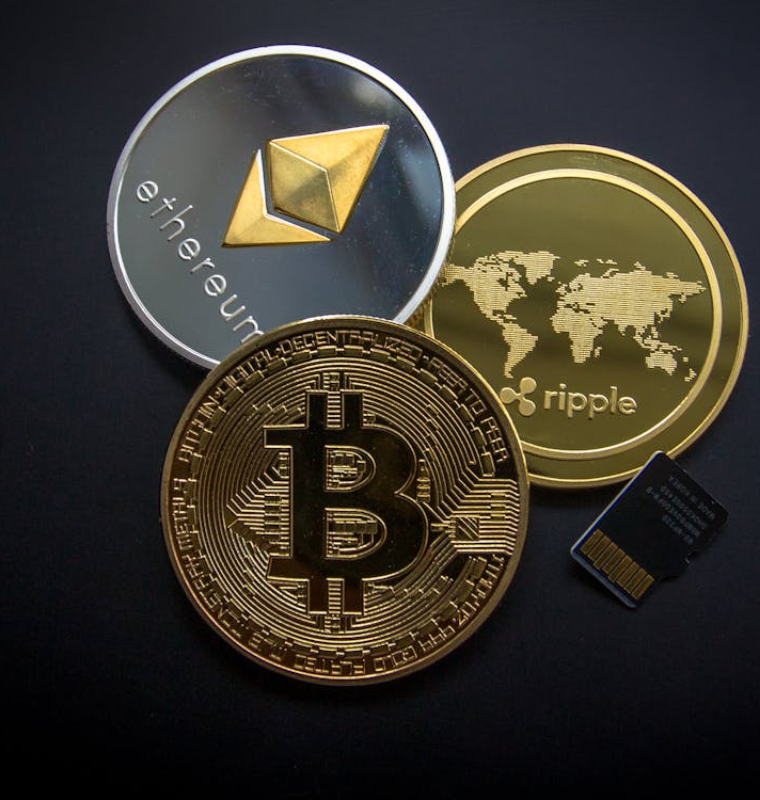
Bitcoin continues to serve as the primary anchor for the broader cryptocurrency market. Even during periods of cautious sentiment, it remains the most widely recognized and institutionally supported digital asset.
Its role as a macro sensitive asset has become increasingly pronounced as ETFs, custodial services, and regulated investment products expand. Bitcoin now behaves in some respects like a hybrid between a technology asset and a macroeconomic risk instrument, responding to both crypto specific developments and global financial conditions.
While price momentum has slowed, Bitcoin’s dominance in the market structure remains strong. Many investors continue to view it as the safest entry point into digital asset exposure, particularly during uncertain market phases.
Altcoins Face Reduced Speculative Activity
Alternative cryptocurrencies have experienced a noticeable decline in speculative trading activity as market conditions cool. During earlier bullish cycles, altcoins often benefited from rapid capital rotation and high risk appetite among retail traders.
In the current environment, however, investors are showing greater caution and preference for liquidity and stability. This has resulted in reduced trading volumes and slower price movements across smaller blockchain projects.
The performance gap between Bitcoin and altcoins has widened, reinforcing the perception that the market is becoming more selective in its allocation of capital. Projects with strong fundamentals, real world utility, or institutional backing are receiving more attention compared to purely speculative tokens.
Macroeconomic Pressures Influence Sentiment
Broader macroeconomic conditions continue to play a significant role in shaping cryptocurrency market behavior. Interest rate expectations, global inflation data, and equity market performance all influence investor willingness to engage in high risk assets.
When traditional financial markets offer attractive returns or when uncertainty increases, capital often moves away from speculative sectors such as cryptocurrencies. This creates a cyclical pattern where crypto markets expand during periods of high liquidity and contract during tighter financial conditions.
The current cautious phase reflects this broader macroeconomic balancing act. Investors are weighing potential upside in digital assets against competing opportunities in more stable financial instruments.
Retail Participation Shows Signs of Stabilization
Retail investor activity has also stabilized after periods of intense volatility. Social media engagement, trading frequency, and speculative momentum have all moderated compared to earlier market surges.
This stabilization does not indicate withdrawal from the market but rather a more measured approach to participation. Retail traders appear to be reacting more carefully to news cycles, regulatory updates, and price fluctuations.
Historically, retail sentiment has played a major role in driving short term crypto cycles. The current moderation suggests that the market may be transitioning into a more mature phase where institutional activity plays a larger role in price formation.
Decentralized Finance and Blockchain Innovation Continue
Despite cautious trading conditions, innovation within the blockchain ecosystem continues at a steady pace. Decentralized finance platforms, layer two scaling solutions, and tokenization projects are still under active development across the industry.
Developers and startups continue to focus on improving scalability, security, and usability within blockchain networks. These technological advancements are gradually expanding real world applications for cryptocurrency beyond trading and speculation.
Many industry participants believe that long term growth in the crypto sector will be driven more by utility and infrastructure development than by short term price movements.
Market Outlook Remains Uncertain but Structured
The overall outlook for global cryptocurrency markets remains uncertain but increasingly structured. Unlike earlier years characterized by extreme volatility and regulatory ambiguity, the current environment reflects a more mature and interconnected financial system.
Regulation, institutional participation, and macroeconomic conditions are now central drivers of market behavior. While this creates periods of caution, it also lays the foundation for more sustainable long term growth.
Investors are now navigating a market that is evolving from an experimental asset class into a regulated financial ecosystem. The cautious phase observed today may therefore represent not weakness, but a transitional stage in the broader evolution of global digital finance.

Popular articles



Subscribe to unlock premium content
Imran Khan’s Economic Missteps Amid Political Chaos in Pakistan

The Philippines’ Digital Shift How Remittances and BPO Are Fueling Growth

Is the Era of Globalization Over or Just Evolving?
Imran Khan’s Economic Missteps Amid Political Chaos in Pakistan
The Philippines’ Digital Shift How Remittances and BPO Are Fueling Growth
Imran Khan’s Economic Missteps Amid Political Chaos in Pakistan