Global Crypto Interest Falls to One Year Low as Market Capitalization Drops Sharply

Global Crypto Interest Falls to One Year Low as Market Capitalization Drops Sharply
By
Junia Wells
Last updated:
February 8, 2026
First Published:
February 8, 2026

.webp)
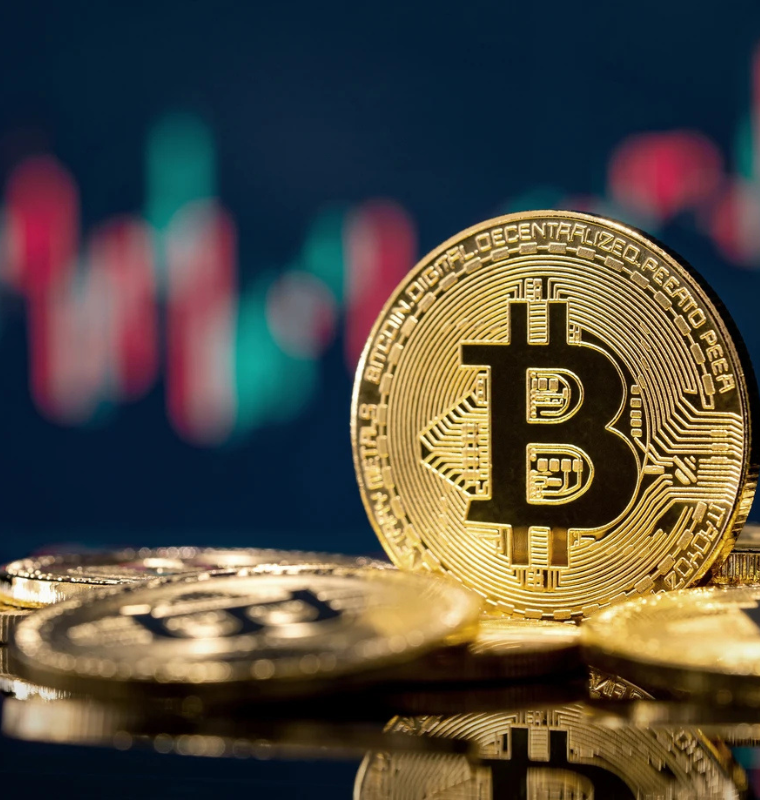
Photo: Forbes
A Year Low in Global Interest
Recent data shows that global interest in cryptocurrencies has reached its lowest level in over a year. Search volumes, social media mentions, and online engagement metrics indicate a significant decline in public attention. This trend reflects growing caution among retail investors and a more subdued approach to digital assets as the market experiences contraction and uncertainty.
Market Capitalization Sees Significant Drop
Alongside declining interest, the overall market capitalization of cryptocurrencies has fallen sharply. Reduced trading activity, combined with persistent price corrections across major assets, has contributed to a notable decrease in total market value. Analysts suggest that this combination of factors is creating a temporary cooling phase in the broader crypto ecosystem.
Bitcoin Remains Central but Faces Challenges
Bitcoin continues to dominate the market as the leading cryptocurrency, yet its recent struggles have contributed to reduced market enthusiasm. Fluctuating prices and periods of stagnation have led some investors to reduce exposure, while others remain cautious in the face of ongoing volatility. Despite these challenges, Bitcoin still plays a critical role in shaping investor sentiment across the sector.
Altcoin Market Mirrors the Decline
The decrease in global interest is not limited to Bitcoin alone. Altcoins have also experienced declining activity and lower trading volumes. Digital assets that previously benefited from speculative momentum are now facing slower growth as investor attention shifts away. The decline highlights the interconnected nature of the crypto market and how shifts in sentiment for one major asset often influence the broader ecosystem.
Investor Psychology and Market Behavior
Falling interest signals a shift in investor psychology, with risk appetite declining and caution taking priority. Retail traders, who often drive short term market movements, are particularly sensitive to sentiment changes. The current environment emphasizes prudence, as investors weigh potential opportunities against the risks of further market downturns.
Influence of Macroeconomic Factors
Global financial conditions continue to impact the cryptocurrency sector. Interest rate expectations, inflation trends, and volatility in traditional markets contribute to the cautious behavior observed among investors. Cryptocurrencies, often perceived as high risk, are particularly sensitive to these macroeconomic signals, which can influence both short term trading and long term adoption trends.
Media and Information Consumption Decline
Decreased media coverage and online discussions further contribute to reduced global interest. Fewer headlines and trending stories about cryptocurrencies can create a feedback loop, where lower public engagement reduces visibility and further dampens market enthusiasm. This cycle can impact retail participation and the rate of new investor inflows.
Institutional Activity Shows Selective Engagement
Institutional investors continue to participate in the market, but their activity has become more selective. Rather than large scale speculative moves, focus has shifted toward strategic accumulation and risk management. While this behavior supports market stability, it also contrasts with the higher volatility driven by mass retail engagement.
Potential for Future Recovery
Despite the current decline, historical trends suggest that periods of reduced interest can precede renewed market growth. Digital asset adoption, blockchain innovation, and regulatory clarity may eventually reignite enthusiasm. Investors and analysts are closely watching for signals that could indicate the beginning of a new cycle of increased engagement and market expansion.
Conclusion and Market Perspective
The drop in global cryptocurrency interest and market capitalization underscores the cyclical nature of the sector. Temporary declines in attention are not unusual in evolving markets, yet they highlight the need for caution and strategic decision making. As the industry continues to mature, periods of low engagement may serve as opportunities for long term investors to position themselves ahead of the next growth phase.
Popular articles



Subscribe to unlock premium content
Disney’s Timeless Magic and How the Entertainment Giant Continues to Shape Culture and Innovation

Imran Khan’s Economic Missteps Amid Political Chaos in Pakistan

The Philippines’ Digital Shift How Remittances and BPO Are Fueling Growth

Disney’s Timeless Magic and How the Entertainment Giant Continues to Shape Culture and Innovation
Imran Khan’s Economic Missteps Amid Political Chaos in Pakistan
Disney’s Timeless Magic and How the Entertainment Giant Continues to Shape Culture and Innovation