Coinbase Steps Back From the CLARITY Act
By
Alina Sinclair
Last updated:
January 18, 2026
First Published:
April 25, 2026


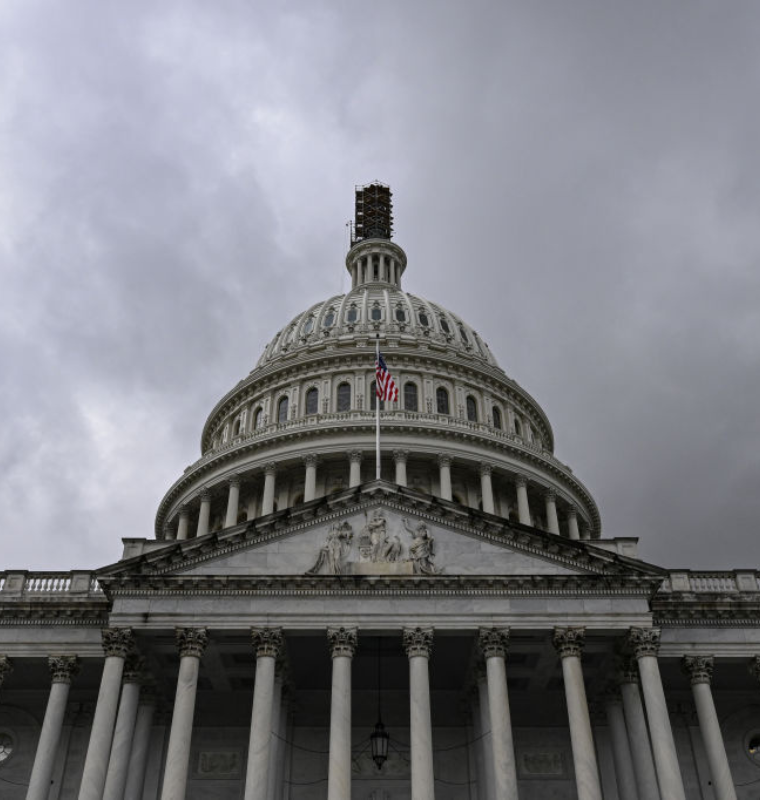
Photo: DL News
A Turning Point for Regulatory Engagement
Coinbase’s decision to withdraw its support from the CLARITY Act marks a significant shift in how one of the largest cryptocurrency exchanges in the world approaches regulatory engagement. The move has sent strong signals across the digital asset industry that consensus around proposed legislation remains fragile. While the CLARITY Act was initially positioned as a framework to bring clearer rules to crypto markets, Coinbase’s reversal suggests that the bill no longer aligns with the exchange’s vision for fair and workable regulation.
Understanding the Original Promise of the CLARITY Act
When first introduced, the CLARITY Act aimed to reduce uncertainty by defining the roles of regulatory bodies and setting boundaries for oversight. Many industry participants welcomed the proposal as a step toward legitimacy and long term stability. For companies like Coinbase, early support reflected hope that the bill could balance innovation with investor protection while avoiding excessive compliance burdens that could stifle growth.
Why Coinbase Changed Its Position
Coinbase’s withdrawal did not happen in isolation. As discussions around the bill evolved, new provisions and interpretations emerged that raised concerns within the company. Leadership at Coinbase appears to believe that the Act shifted away from its original intent and began introducing risks that could limit competition or create uneven enforcement. This change highlights how fast moving legislative negotiations can alter industry support almost overnight.
Implications for the Broader Crypto Industry
The decision has wider implications beyond a single company. Coinbase often acts as a bellwether for the industry, and its stance influences policymakers, investors, and other crypto firms. By stepping back, Coinbase has effectively reopened debate around whether current legislative efforts truly reflect the needs of a rapidly evolving digital asset ecosystem.
Regulatory Uncertainty Returns to the Spotlight
One of the most immediate effects of this move is renewed uncertainty. Market participants had hoped that the CLARITY Act would finally offer predictable rules. Instead, Coinbase’s decision underscores that regulatory clarity remains elusive. This uncertainty can slow institutional adoption and complicate long term planning for startups and established firms alike.
Political and Policy Reactions
Lawmakers are now facing increased pressure to revisit the bill. Some may interpret Coinbase’s withdrawal as a sign that industry voices are not being adequately considered. Others may see it as resistance to necessary oversight. Either way, the move forces policymakers to reassess whether the Act can achieve broad support without substantial revisions.
Market Sentiment and Investor Confidence
From a market perspective, regulatory headlines often influence sentiment as much as price action. Coinbase’s announcement has prompted investors to question how future regulations might impact exchange operations and revenue models. While not a direct market shock, the news contributes to an environment where confidence is closely tied to political developments.
The Role of Exchanges in Shaping Policy
This episode highlights the growing role of major exchanges in shaping crypto policy. Unlike earlier years when regulation lagged behind innovation, today’s exchanges are actively engaging with lawmakers. Coinbase’s withdrawal shows that engagement does not mean unconditional support and that industry leaders are willing to push back when proposals fall short.
What This Means for Future Legislation
Future crypto legislation in the United States will likely face closer scrutiny from industry players. Lawmakers may need to adopt a more collaborative approach, incorporating feedback earlier in the process. Coinbase’s stance suggests that successful regulation must be flexible, technologically informed, and economically realistic.
A Defining Moment for Crypto Regulation
Ultimately, Coinbase pulling support from the CLARITY Act represents more than a disagreement over a single bill. It reflects a maturing industry that is no longer willing to accept imperfect frameworks simply for the sake of progress. As the regulatory conversation continues, this moment may be remembered as a catalyst for more thoughtful and inclusive crypto policy making.

Popular articles



Subscribe to unlock premium content
Ripple and Bitso Expand Partnership as RLUSD Stablecoin Ecosystem Gains Momentum

Bybit Introduces Tokenized SpaceX IPO Shares in Landmark Real World Asset Initiative

Crypto Tax Debate Intensifies in Washington Over Mining and Staking Rewards
Ripple and Bitso Expand Partnership as RLUSD Stablecoin Ecosystem Gains Momentum
Bybit Introduces Tokenized SpaceX IPO Shares in Landmark Real World Asset Initiative
Ripple and Bitso Expand Partnership as RLUSD Stablecoin Ecosystem Gains Momentum