

Can Saylor Strategy Withstand Bitcoin’s Prolonged Decline
By
Junia Wells
Last updated:
February 2, 2026
First Published:
February 2, 2026


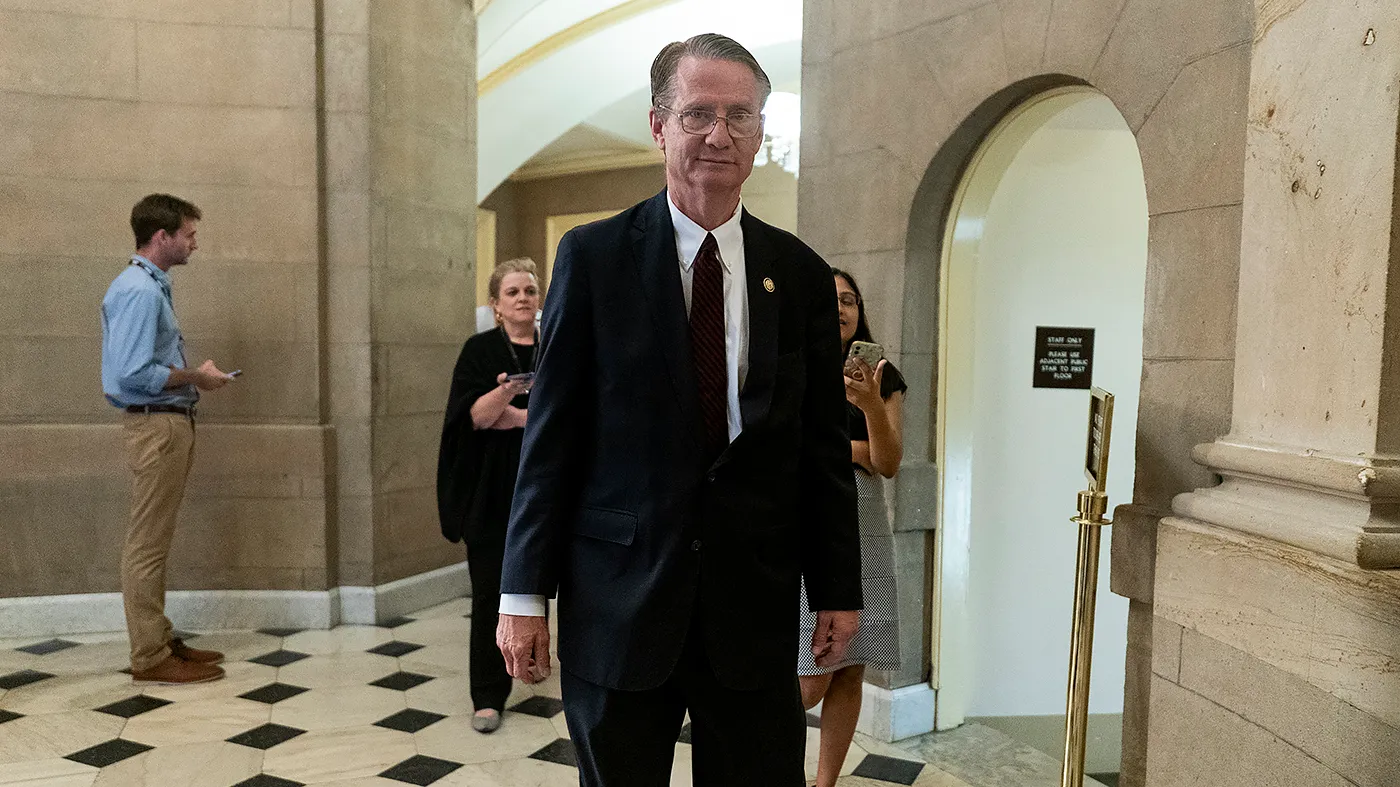
Photo: Fortune
A Strategy Built on Absolute Conviction
The company led by Michael Saylor has become synonymous with aggressive Bitcoin accumulation. Unlike firms that treat digital assets as short term exposure this strategy is rooted in long term belief. Bitcoin is viewed as a superior store of value rather than a speculative instrument. This philosophy has guided repeated purchases regardless of market conditions.
The Scale of Exposure Raises Attention
With billions allocated into Bitcoin the size of the position naturally attracts scrutiny during downturns. As prices declined the value of holdings dropped significantly on paper. These unrealized losses sparked debate across financial circles. Critics argue that concentration risk is too high while supporters view volatility as temporary.
Understanding Unrealized Losses
Unrealized losses reflect current market prices rather than actual sales. As long as the assets are not sold the losses remain theoretical. This distinction is central to Saylor’s argument. He consistently emphasizes that Bitcoin holdings are not meant for liquidation but for long term preservation.
Why the Company Refuses to Sell
The refusal to sell during downturns is intentional rather than emotional. The strategy assumes that short term price movements are irrelevant compared to long term monetary trends. Inflation currency debasement and scarcity form the core thesis. Selling during weakness would contradict the entire framework.
Market Critics Question Risk Management
Despite the clarity of vision critics highlight balance sheet risks. Debt funded Bitcoin purchases amplify downside exposure during prolonged bear markets. Skeptics argue that opportunity cost and shareholder pressure could intensify if prices remain suppressed for extended periods. These concerns continue to surface with every market dip.
Supporters See Discipline Not Recklessness
Supporters interpret the same actions as disciplined execution. They argue that true conviction is only proven during unfavorable conditions. According to this view abandoning the strategy during losses would signal inconsistency. Holding firm reinforces credibility among long term believers.
Impact on Corporate Perception
The company’s identity is now inseparable from Bitcoin performance. This close association has transformed it from a traditional software firm into a proxy Bitcoin investment. While this attracts crypto aligned investors it also narrows appeal among conservative stakeholders. The trade off is deliberate.
Institutional Sentiment Remains Divided
Institutional observers remain split on the approach. Some admire the transparency and unwavering thesis. Others caution that tying corporate health to a single volatile asset is inherently risky. This division reflects broader uncertainty surrounding Bitcoin’s role in corporate finance.
What Happens if Prices Stay Low Longer
If Bitcoin remains under pressure the strategy will continue to face stress tests. However prolonged consolidation does not necessarily invalidate long term assumptions. The company appears prepared for extended timelines. Liquidity planning and operational stability become more important than short term valuation.
A Test Case for Corporate Bitcoin Adoption
This situation serves as a real world case study for other corporations considering Bitcoin exposure. It demonstrates both the rewards and challenges of full commitment. Future adopters will likely reference this example when shaping their own risk frameworks.
The Broader Message to the Crypto Market
Beyond one company this strategy sends a message about belief versus timing. Markets often reward patience but punish overconfidence. The outcome will influence how institutions perceive Bitcoin as a treasury asset going forward.
Popular articles



Subscribe to unlock premium content
Disney’s Timeless Magic and How the Entertainment Giant Continues to Shape Culture and Innovation

Imran Khan’s Economic Missteps Amid Political Chaos in Pakistan
The Philippines’ Digital Shift How Remittances and BPO Are Fueling Growth

Disney’s Timeless Magic and How the Entertainment Giant Continues to Shape Culture and Innovation
Imran Khan’s Economic Missteps Amid Political Chaos in Pakistan
Disney’s Timeless Magic and How the Entertainment Giant Continues to Shape Culture and Innovation