Brazil Tightens Oversight of Crypto Exchanges With New Asset Guarantee Requirements

Brazil Tightens Oversight of Crypto Exchanges With New Asset Guarantee Requirements
By
Alina Sinclair
Last updated:
March 8, 2026
First Published:
April 25, 2026

A Stronger Regulatory Approach in Latin America
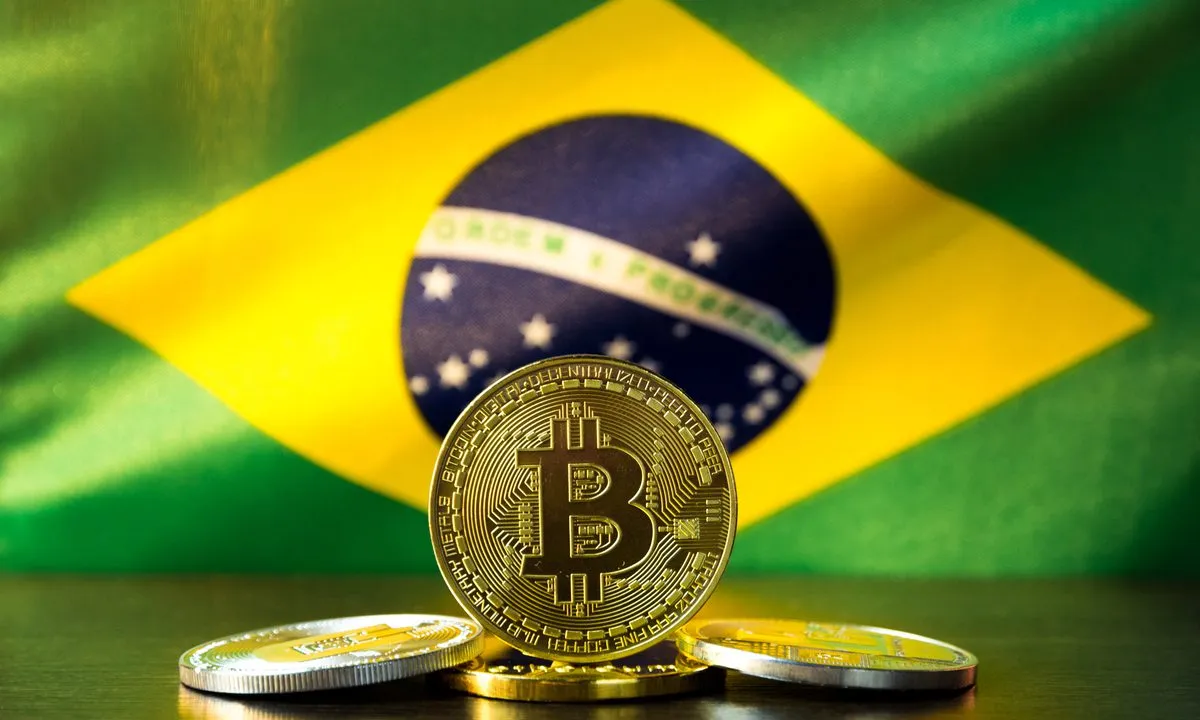
Brazil has introduced new rules requiring cryptocurrency exchanges to provide daily guarantees of the assets they hold. The move is part of a broader effort to enhance transparency and protect investors as digital assets gain popularity across the country. Authorities are concerned that insufficient oversight could expose users to fraud, mismanagement, or operational failures, so these requirements are designed to ensure that exchanges maintain sufficient reserves at all times.
The Mechanics of Asset Guarantee Requirements
Under the new regulations, exchanges must maintain a verifiable record of their holdings and demonstrate that they have sufficient assets to meet all customer obligations. Daily audits and reporting protocols will be required to ensure compliance. By mandating real time verification, regulators hope to prevent insolvency issues and increase public trust in the cryptocurrency sector. Exchanges will need to invest in robust accounting systems and transparent record keeping to satisfy these requirements.
Impact on Crypto Exchanges
For cryptocurrency platforms operating in Brazil, these changes present both operational challenges and opportunities. Smaller exchanges may struggle with the technical and financial demands of daily asset verification. However, established platforms with sufficient resources can use compliance as a competitive advantage by signaling reliability and stability to clients. Overall, the new rules are expected to promote healthier competition and higher industry standards.
Protecting Investors and Reducing Risk
Investor protection has been a driving factor behind these regulations. The history of exchange failures around the world has highlighted the vulnerability of users who trust platforms to safeguard their assets. By enforcing daily asset guarantees, Brazilian regulators are aiming to minimize risk and provide a framework where investors can confidently participate in the crypto market.
Aligning With Global Regulatory Trends
Brazil is not alone in tightening oversight of digital assets. Other countries have introduced similar measures to ensure exchanges maintain sufficient liquidity and adhere to strict compliance standards. These global trends reflect an acknowledgment that the cryptocurrency market is maturing and that regulatory clarity is essential for sustainable growth.
Encouraging Institutional Participation
The new rules could also attract institutional investors who require clear and reliable operational frameworks before committing capital. When exchanges demonstrate strong asset management practices, institutions are more likely to develop partnerships and engage in trading activity. This could bring additional liquidity and stability to the Brazilian market.
Operational Challenges for Exchanges
Implementing daily asset verification will require significant investment in technology and personnel. Exchanges must ensure secure and automated reporting systems, maintain accurate real time records, and undergo frequent audits. While these steps increase operational costs, they are expected to contribute to long term market credibility.
Potential Impact on Market Behavior
Stricter oversight may encourage exchanges to operate more conservatively, reducing aggressive risk taking. While this could limit certain speculative activities, it is likely to foster a safer and more transparent trading environment. Investors may benefit from enhanced confidence, which can lead to increased adoption and growth in trading volumes.
The Role of Education and Awareness
Regulators are also emphasizing investor education to complement these policies. Understanding how exchanges safeguard assets and how the daily verification process works can help users make informed decisions. Education initiatives can strengthen trust and empower participants to navigate the digital asset market responsibly.
Looking Ahead
Brazil’s approach demonstrates a proactive stance toward cryptocurrency oversight. By enforcing daily asset guarantees, the country is setting a benchmark for responsible regulation in Latin America. As exchanges adapt and investors gain confidence, the Brazilian market could become a model for balancing innovation with security in the global digital asset ecosystem.
Popular articles


Subscribe to unlock premium content
Ripple and Bitso Expand Partnership as RLUSD Stablecoin Ecosystem Gains Momentum
Bybit Introduces Tokenized SpaceX IPO Shares in Landmark Real World Asset Initiative
Crypto Tax Debate Intensifies in Washington Over Mining and Staking Rewards
Ripple and Bitso Expand Partnership as RLUSD Stablecoin Ecosystem Gains Momentum
Bybit Introduces Tokenized SpaceX IPO Shares in Landmark Real World Asset Initiative
Ripple and Bitso Expand Partnership as RLUSD Stablecoin Ecosystem Gains Momentum