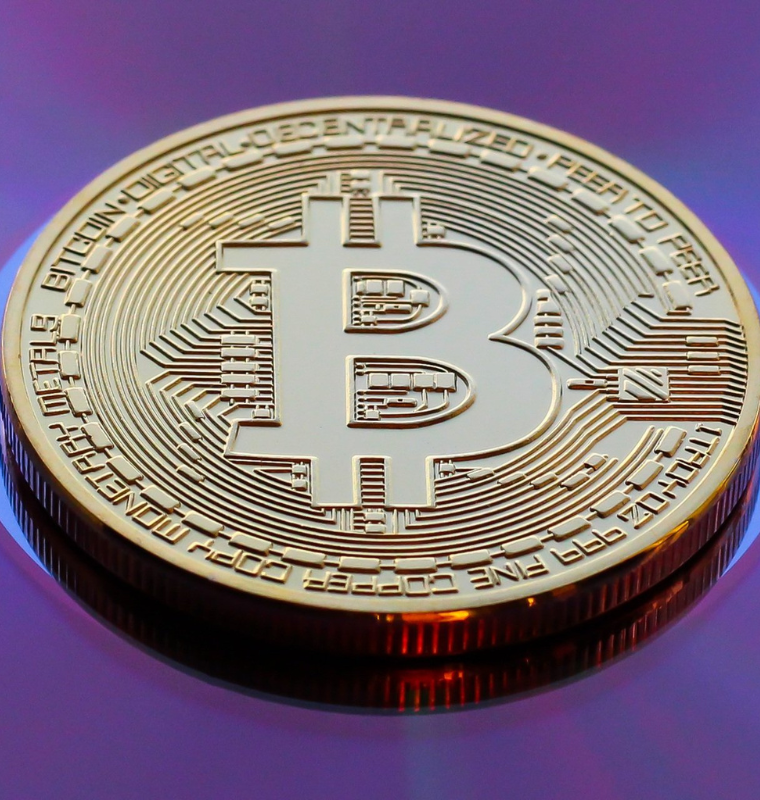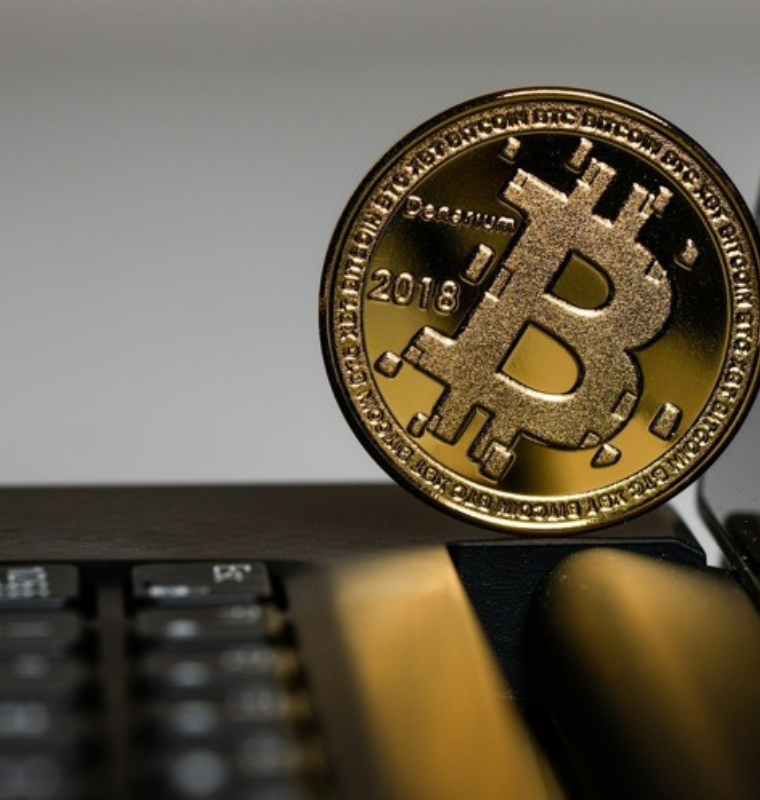
Bitcoin Sell Off Fears Rise as Iran Conflict Threatens BTC Mining Operations

Bitcoin Sell Off Fears Rise as Iran Conflict Threatens BTC Mining Operations
By
Calder Monroe
Last updated:
March 1, 2026
First Published:
March 1, 2026

.webp)
Photo: Bloomberg.com
Rising Geopolitical Tension and Its Immediate Market Impact
The cryptocurrency market entered March under a cloud of uncertainty as escalating tensions involving Iran sparked renewed fears of disruption within global Bitcoin mining operations. Investors reacted swiftly to headlines suggesting potential instability in energy infrastructure across the region. Because Bitcoin relies heavily on continuous computational power supplied by mining facilities, any threat to electricity production or distribution tends to ripple through the broader market. The result was a sharp shift in sentiment, with traders repositioning portfolios in anticipation of volatility.
Iran’s Strategic Role in the Global Mining Landscape
Iran has long held a notable position within the global Bitcoin mining ecosystem due to its subsidized electricity and access to abundant energy resources. While its share of global hash rate has fluctuated over time, the country remains an important node in the decentralized mining network. Any disruption within its borders introduces uncertainty around short term hash rate stability. Even if the percentage contribution appears moderate on paper, market psychology often amplifies the perceived impact beyond actual computational loss.
Hash Rate Sensitivity and Network Stability Concerns
Bitcoin’s network security is directly tied to its hash rate, which reflects the total computing power securing the blockchain. When geopolitical instability threatens mining centers, traders immediately assess the potential for a temporary decline in hash rate. A sudden reduction can increase block confirmation times until network difficulty adjusts. Although the Bitcoin protocol is designed to self correct through automatic difficulty recalibration, short term instability can fuel fear driven selling, especially among retail investors who closely monitor network metrics.
Energy Infrastructure as a Hidden Risk Variable
Energy remains the backbone of proof of work consensus. In regions where mining operations cluster around low cost electricity, geopolitical developments carry amplified consequences. Iran’s mining facilities rely on a combination of fossil fuel and grid supplied electricity. If regional conflict affects power generation, fuel supply chains, or transmission networks, mining throughput may decline. Markets interpret such risks as potential stress signals for overall blockchain security, even if the disruption proves temporary.
Market Sentiment and the Psychology of Sell Off Cycles
Cryptocurrency markets are particularly sensitive to headline driven narratives. Unlike traditional equities, digital assets trade continuously and respond instantly to geopolitical developments. News surrounding conflict often triggers algorithmic selling and derivatives liquidations. In this case, fear of mining slowdowns compounded existing macroeconomic pressures, accelerating downside momentum. Once volatility increases, leveraged positions unwind rapidly, reinforcing a feedback loop that intensifies price swings.
Institutional Perspective on Network Resilience
Despite short term turbulence, institutional analysts emphasize the distributed nature of Bitcoin mining. Over the past several years, mining capacity has diversified geographically, with significant expansion across North America, Central Asia, and parts of Europe. This decentralization reduces reliance on any single jurisdiction. Even if Iranian mining output declines temporarily, global hash rate distribution may absorb the shock without long term structural damage. Institutional investors often view such events as stress tests rather than existential threats.
Broader Macroeconomic Context Amplifies Reaction
The geopolitical situation does not exist in isolation. Broader macroeconomic factors including interest rate policy, inflation data, and currency market fluctuations contribute to the overall risk environment. When geopolitical tension overlaps with fragile market conditions, the reaction tends to be magnified. Bitcoin, often described as both a risk asset and a hedge narrative asset, finds itself pulled in opposing directions during such episodes. This dual identity adds complexity to price behavior during global crises.
Volatility Metrics and Derivatives Market Signals
Options implied volatility and futures funding rates serve as real time indicators of trader positioning. As fears surrounding mining disruption intensified, volatility premiums expanded and short term hedging activity increased. Funding rates briefly turned negative, signaling a bias toward downside protection. These derivatives market signals often precede spot price stabilization, as excessive bearish positioning can create conditions for short covering rallies once uncertainty begins to ease.
Long Term Implications for Mining Geography
Geopolitical instability frequently accelerates structural shifts within the mining industry. Operators facing regulatory or security risks may relocate equipment to jurisdictions offering greater stability and clearer legal frameworks. This trend has already been observed in previous cycles of regulatory change worldwide. Should tensions persist, mining capital may gradually migrate, reinforcing the global decentralization of the network. Such redistribution ultimately strengthens resilience, even if transitional volatility remains elevated.
Investor Strategy During Infrastructure Uncertainty
For long term investors, episodes like this highlight the importance of understanding Bitcoin’s underlying mechanics rather than reacting solely to headlines. The protocol’s automatic difficulty adjustment, global miner dispersion, and transparent on chain metrics provide measurable indicators of health. While short term price action may remain unpredictable, structural fundamentals often recover once geopolitical tensions stabilize. Market participants with disciplined risk management frameworks tend to navigate these cycles more effectively than those driven by emotion.
Outlook for the Coming Weeks
As March unfolds, traders will closely monitor hash rate data, block times, and official developments regarding regional stability. If mining activity remains largely intact and global distribution compensates for any localized disruption, market confidence may gradually return. However, persistent geopolitical escalation could sustain volatility. In either scenario, the episode underscores how interconnected global politics and decentralized finance have become in the modern digital asset landscape.
Popular articles



Subscribe to unlock premium content
Disney’s Timeless Magic and How the Entertainment Giant Continues to Shape Culture and Innovation

Imran Khan’s Economic Missteps Amid Political Chaos in Pakistan

The Philippines’ Digital Shift How Remittances and BPO Are Fueling Growth

Disney’s Timeless Magic and How the Entertainment Giant Continues to Shape Culture and Innovation
Imran Khan’s Economic Missteps Amid Political Chaos in Pakistan
Disney’s Timeless Magic and How the Entertainment Giant Continues to Shape Culture and Innovation