Bitcoin Investment Funds Record Major Weekly Outflows as Capital Shifts Across Crypto Markets

Bitcoin Investment Funds Record Major Weekly Outflows as Capital Shifts Across Crypto Markets
By
Junia Wells
Last updated:
February 9, 2026
First Published:
February 9, 2026

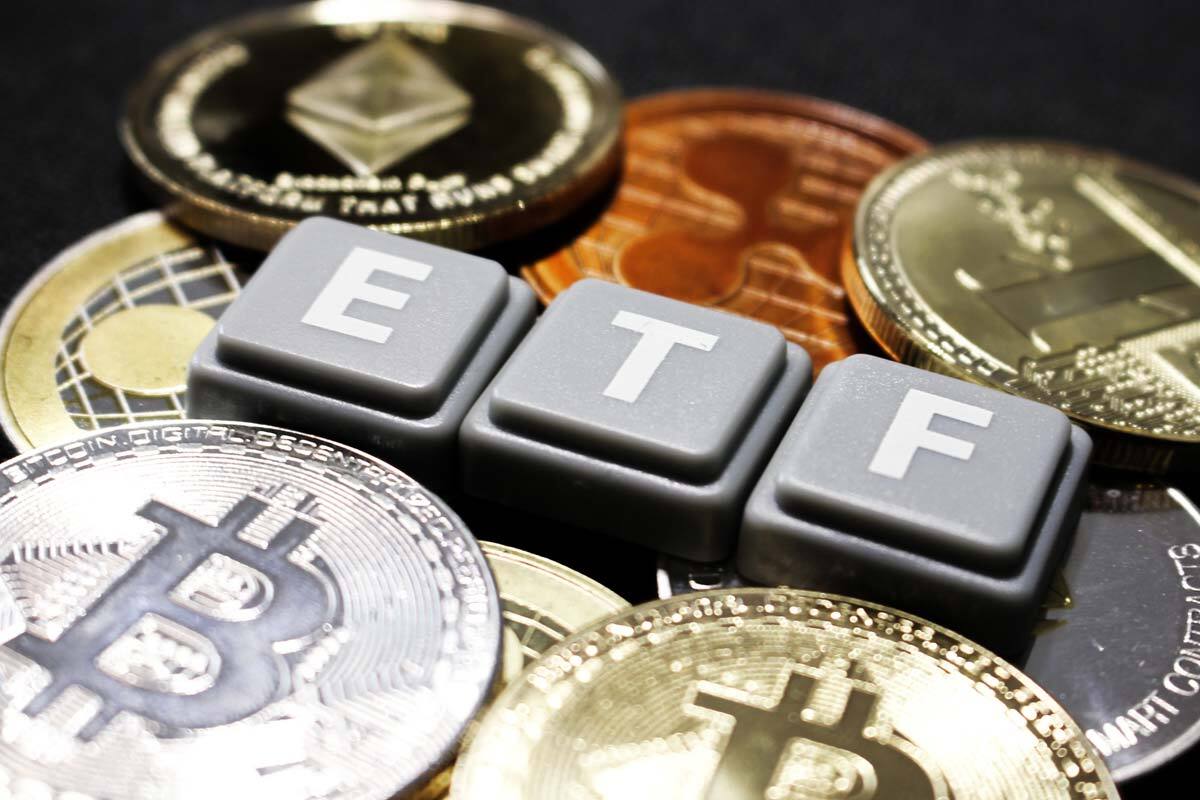
Photo: PayBito
A Noticeable Shift in Institutional Capital Flow
The cryptocurrency investment landscape experienced a significant development as Bitcoin focused funds reported substantial weekly outflows. This movement reflects a broader shift in investor positioning rather than a collapse in confidence. Large scale capital movements often signal strategic portfolio adjustments, and the recent trend has drawn close attention from analysts and market observers.
Understanding the Reasons Behind Fund Outflows
Outflows from Bitcoin investment vehicles are often driven by profit realization, market uncertainty, and strategic capital rotation. After periods of strong upward momentum, institutional investors frequently rebalance portfolios to manage risk exposure. In the current environment, some investors are reducing short term Bitcoin exposure while evaluating emerging opportunities across the digital asset ecosystem.
Capital Rotation Toward Alternative Digital Assets
A portion of institutional capital appears to be moving toward alternative cryptocurrencies and blockchain sectors. Emerging areas such as decentralized finance, tokenized assets, and next generation blockchain infrastructure are attracting renewed attention. This shift does not necessarily indicate weakness in Bitcoin but rather reflects diversification within a maturing investment landscape.
The Role of Market Sentiment and Risk Management
Market sentiment plays a powerful role in institutional decision making. During periods of volatility, professional investors often adopt a defensive stance, preserving liquidity and reducing exposure to highly volatile assets. Risk management strategies such as portfolio rebalancing and tactical allocation changes are common in dynamic financial markets.
Impact on Bitcoin Price and Market Stability
Large scale fund outflows can temporarily influence Bitcoin price behavior, increasing short term volatility. However, long term price trends are shaped by broader adoption, network strength, and macroeconomic forces. Historically, Bitcoin has demonstrated resilience even during periods of capital withdrawal, often stabilizing once market equilibrium returns.
Institutional Adoption Remains Structurally Strong
Despite recent outflows, the institutional narrative surrounding Bitcoin remains fundamentally positive. Major financial institutions continue to build digital asset infrastructure, expand custody solutions, and integrate blockchain based investment products. Temporary capital movement does not negate the long term institutional thesis supporting Bitcoin.
Retail Investors and Market Interpretation
Retail participants often interpret institutional outflows as bearish signals, which can amplify short term market reactions. However, experienced market observers recognize that capital movement is part of normal market cycles. Institutional investors frequently reenter positions once market conditions become more favorable or valuation levels improve.
Macroeconomic Influence on Crypto Investment Behavior
Global financial conditions such as interest rate expectations, liquidity availability, and risk appetite also shape institutional crypto investment decisions. When macro uncertainty increases, investors often shift toward more conservative positioning. Bitcoin, now considered a macro sensitive asset, reflects these broader financial dynamics.
Future Outlook for Bitcoin Investment Funds
The long term outlook for Bitcoin investment vehicles remains closely tied to adoption trends, regulatory clarity, and institutional demand. As the digital asset market matures, capital flows are expected to become more strategic and less reactive. Periods of outflows may be followed by renewed inflows once confidence strengthens and market stability improves.
A Market in Evolution
The recent movement of capital highlights the evolving nature of cryptocurrency investment. Rather than signaling decline, it demonstrates increasing sophistication in portfolio management across digital assets. As institutional participation deepens, market cycles will continue to reflect strategic capital allocation, reinforcing the long term growth narrative of the cryptocurrency industry.

Popular articles



Subscribe to unlock premium content
Disney’s Timeless Magic and How the Entertainment Giant Continues to Shape Culture and Innovation

Imran Khan’s Economic Missteps Amid Political Chaos in Pakistan

The Philippines’ Digital Shift How Remittances and BPO Are Fueling Growth

Disney’s Timeless Magic and How the Entertainment Giant Continues to Shape Culture and Innovation
Imran Khan’s Economic Missteps Amid Political Chaos in Pakistan
Disney’s Timeless Magic and How the Entertainment Giant Continues to Shape Culture and Innovation