
Bitcoin Holds Above $81K as Global Investors Brace for Inflation Data and Crypto Policy Changes

Bitcoin Holds Above $81K as Global Investors Brace for Inflation Data and Crypto Policy Changes
By
Alina Sinclair
Last updated:
May 11, 2026
First Published:
May 11, 2026


Photo: Trading News
Bitcoin Stays Resilient Despite Global Economic Pressure
Bitcoin continued to hold firmly above the eighty one thousand dollar level during the second week of May 2026, signaling renewed confidence across the digital asset industry. Investors around the world closely watched the cryptocurrency market as economic concerns in the United States and Europe created fresh uncertainty in traditional financial sectors. While stock markets showed signs of hesitation ahead of major inflation reports, Bitcoin managed to remain stable, attracting attention from institutional traders as well as long term crypto supporters.
The recent price action demonstrated how digital currencies are slowly becoming more integrated into broader financial conversations. Analysts noted that Bitcoin no longer reacts purely as a speculative asset. Instead, many investors now see it as an alternative store of value during periods of economic instability. This shift in perception has played a major role in helping Bitcoin maintain strength even when broader markets experience volatility.
Inflation Data Becomes the Center of Attention
One of the biggest factors influencing the crypto market this week was the anticipation surrounding fresh inflation data from the United States. Investors expected the upcoming figures to influence the future direction of interest rates and monetary policy decisions. Financial markets traditionally react strongly to inflation reports because they help determine how aggressively central banks may continue tightening or loosening economic conditions.
Bitcoin traders were particularly focused on these developments because inflation directly impacts investor appetite for risk based assets. If inflation cools faster than expected, markets may anticipate lower interest rates in the future. Such a scenario often benefits cryptocurrencies because investors become more willing to move capital into growth oriented and alternative assets.
At the same time, persistent inflation could create renewed uncertainty. Higher interest rates generally reduce liquidity across financial markets, which can pressure assets like Bitcoin in the short term. However, many crypto supporters argue that long term inflation concerns continue to strengthen the fundamental case for decentralized currencies.
Institutional Investors Continue Expanding Their Crypto Exposure
Another major reason behind Bitcoin’s stability has been the increasing participation of institutional investors. Large investment firms, hedge funds, and wealth management companies have gradually expanded their digital asset holdings throughout 2026. Several financial institutions have also introduced new Bitcoin related investment products designed to attract conservative investors who previously avoided the cryptocurrency market.
The arrival of institutional capital has significantly changed the behavior of the crypto market. Earlier cycles were heavily influenced by retail speculation and emotional trading patterns. Today, large scale investors are helping create more stable liquidity conditions, reducing extreme price swings during uncertain periods.
Many market experts believe institutional demand could continue increasing if governments introduce clearer regulatory frameworks for digital assets. The growing involvement of traditional finance companies also indicates that cryptocurrencies are no longer viewed as a temporary trend but as a developing financial sector with long term relevance.
Senate Discussions Around Crypto Regulation Gain Momentum
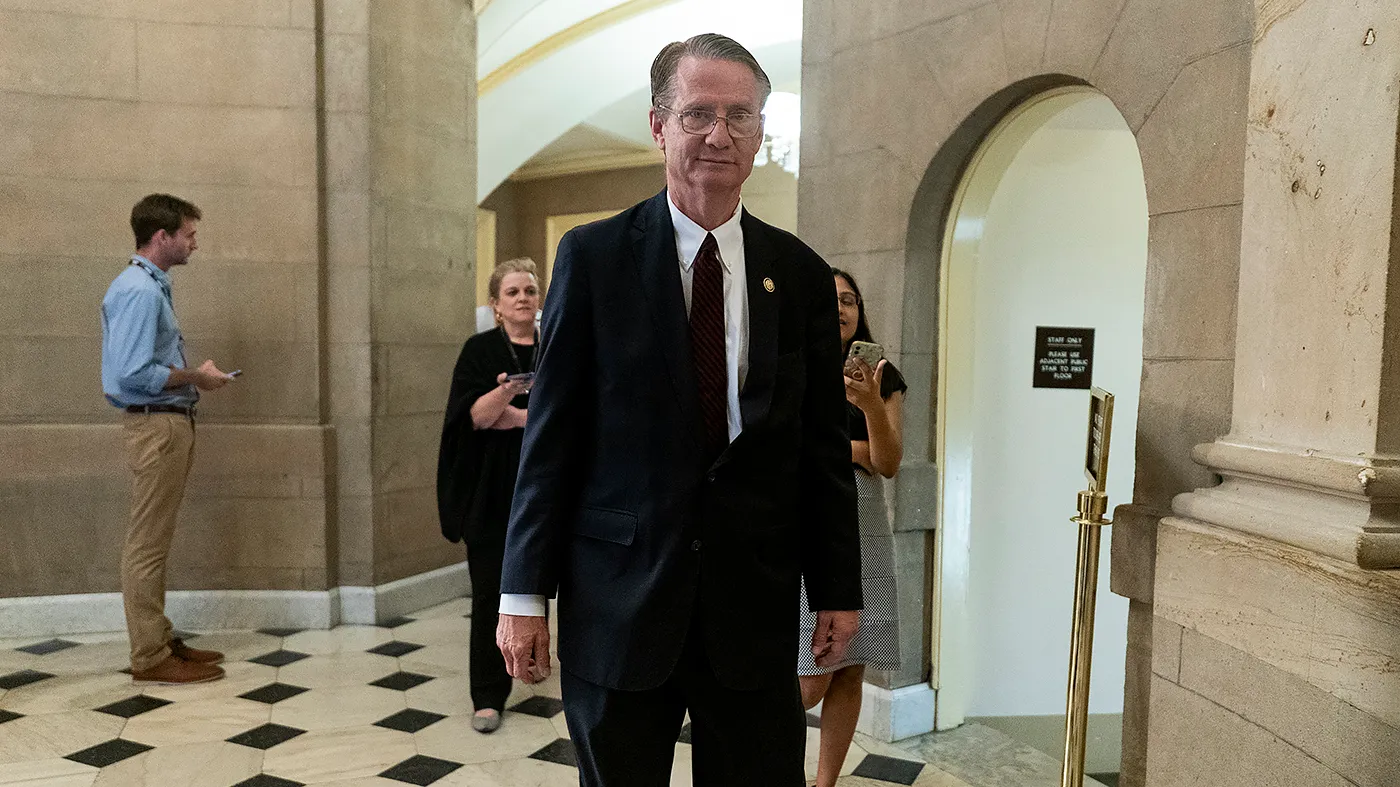
Alongside economic concerns, investors also monitored ongoing policy discussions in Washington regarding cryptocurrency regulation. Several lawmakers have recently pushed for updated digital asset legislation aimed at creating clearer guidelines for exchanges, stablecoins, and blockchain based financial services.
The crypto industry has spent years asking for regulatory clarity. Many companies believe unclear rules have slowed innovation and created confusion for businesses operating in the sector. Recent Senate discussions have therefore generated optimism across the industry, especially among major exchanges and blockchain startups seeking more predictable operating conditions.
Some policymakers support the idea of encouraging innovation while protecting consumers from fraud and market manipulation. Others remain cautious about the risks associated with decentralized finance and digital asset speculation. Despite these differences, market participants believe progress toward clearer rules could ultimately strengthen investor confidence.
Bitcoin Dominance Continues Rising
As uncertainty remained elevated across financial markets, Bitcoin dominance continued to increase relative to many alternative cryptocurrencies. Investors appeared to favor Bitcoin due to its reputation as the most established and widely recognized digital asset.
Historically, periods of uncertainty often lead investors toward larger cryptocurrencies with stronger liquidity and institutional support. While several altcoins posted gains during the week, Bitcoin maintained the majority of market attention. This trend reflected a broader flight toward perceived quality and stability within the crypto ecosystem itself.
Market analysts observed that Bitcoin’s resilience above eighty one thousand dollars has become psychologically important for traders. Maintaining this level strengthens bullish sentiment and increases confidence that the broader upward trend could continue throughout the second half of the year.
Retail Traders Return to the Market
Retail participation has also shown signs of recovery in recent weeks. Social media discussions surrounding Bitcoin and digital assets increased significantly as prices stabilized near record levels. Online trading platforms reported growing user activity, particularly among younger investors seeking alternatives to traditional investments.
Unlike previous speculative waves, however, current retail participation appears more measured and research driven. Many investors are paying closer attention to macroeconomic trends, regulatory developments, and long term adoption patterns before making trading decisions.
This shift suggests that the cryptocurrency market may be gradually maturing. Investors are becoming more aware of risk management and portfolio diversification rather than simply chasing short term price surges. Such changes could contribute to greater long term stability across the industry.
Global Markets Influence Crypto Sentiment
The broader global economic environment continues to play a significant role in shaping crypto sentiment. Concerns about slowing economic growth, geopolitical tensions, and currency instability in certain regions have encouraged some investors to explore decentralized financial assets.
In several emerging economies, Bitcoin adoption has continued growing as citizens seek alternatives to unstable national currencies. This trend highlights one of the original purposes behind cryptocurrency creation, which is to provide financial systems that operate independently from centralized institutions.
Meanwhile, developed economies are increasingly exploring blockchain technology for banking, payment systems, and financial infrastructure modernization. These developments continue strengthening the overall legitimacy of the digital asset sector.
Exchanges Experience Rising Trading Volumes
Major cryptocurrency exchanges reported noticeable increases in trading activity during the past week. As Bitcoin remained above key support levels, both institutional and retail traders became more active across spot and derivatives markets.
Higher trading volumes often indicate stronger investor engagement and increased market confidence. Analysts noted that much of the recent activity came from investors positioning themselves ahead of important economic announcements and potential regulatory developments.
Exchanges have also introduced more sophisticated tools and security features in recent years, helping attract a broader range of participants. Improved infrastructure has made crypto trading more accessible to traditional investors who previously viewed the industry as too risky or technically complex.
Analysts Remain Divided on Short Term Direction
Despite the overall optimism surrounding Bitcoin’s resilience, analysts remain divided regarding the market’s short term direction. Some believe Bitcoin could continue climbing if inflation data supports expectations for lower interest rates later in the year. Others warn that sudden macroeconomic shocks or regulatory setbacks could trigger temporary corrections.
Still, even cautious analysts acknowledge that the market structure today appears fundamentally stronger than in previous cycles. Greater institutional involvement, expanding infrastructure, and increasing global awareness have all contributed to a more mature environment for digital assets.
Long term supporters continue arguing that Bitcoin’s scarcity and decentralized structure make it uniquely positioned in an era of rising debt and monetary uncertainty. Whether or not prices continue rising immediately, many investors believe the cryptocurrency industry has entered a new phase of mainstream financial relevance.
The Crypto Industry Faces a Defining Moment
The events unfolding during May 2026 may ultimately become an important turning point for the cryptocurrency industry. Bitcoin holding above eighty one thousand dollars while global markets face uncertainty demonstrates how far digital assets have evolved over the past decade.
What was once considered a niche experiment is now influencing conversations at the highest levels of finance and government. Investors, regulators, financial institutions, and technology companies are all paying closer attention to the role cryptocurrencies may play in the future global economy.
As inflation data, monetary policy decisions, and regulatory debates continue shaping investor sentiment, the crypto market remains positioned at the center of one of the most significant financial transformations of the modern era.
Popular articles



Subscribe to unlock premium content
Imran Khan’s Economic Missteps Amid Political Chaos in Pakistan

The Philippines’ Digital Shift How Remittances and BPO Are Fueling Growth

Is the Era of Globalization Over or Just Evolving?
Imran Khan’s Economic Missteps Amid Political Chaos in Pakistan
The Philippines’ Digital Shift How Remittances and BPO Are Fueling Growth
Imran Khan’s Economic Missteps Amid Political Chaos in Pakistan


