
Bitcoin Holds Above $100K as Institutional Buying Accelerates Across Global Markets

Bitcoin Holds Above $100K as Institutional Buying Accelerates Across Global Markets
By
Alina Sinclair
Last updated:
May 10, 2026
First Published:
May 10, 2026

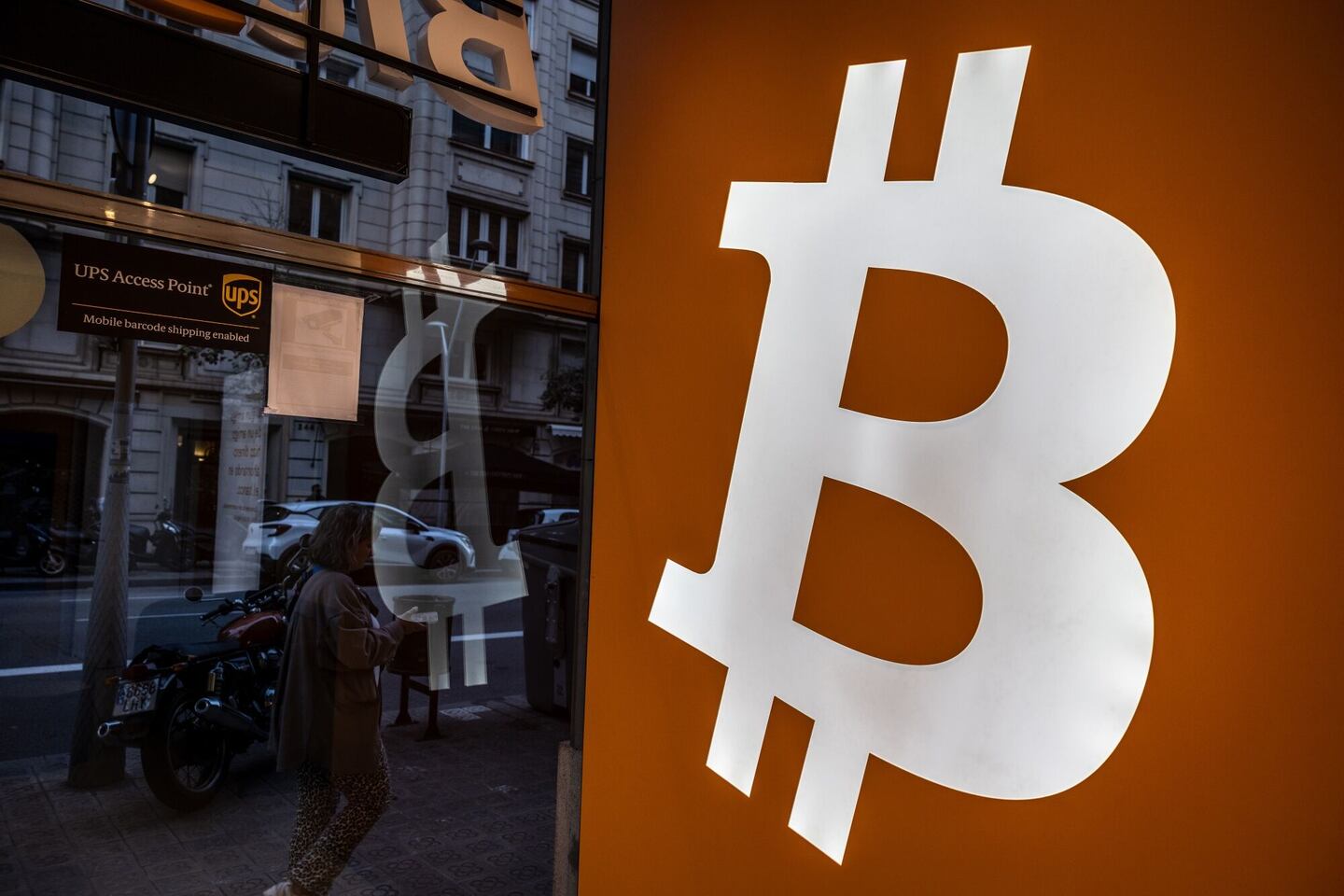
Photo: The Boston Globe
The cryptocurrency industry entered a powerful new phase during the second week of May 2026 as Bitcoin successfully maintained its position above the historic one hundred thousand dollar mark. The achievement represents far more than a symbolic price milestone. It reflects a dramatic transformation in how global financial institutions, hedge funds, asset managers, and sovereign investment groups now view digital assets. What was once considered a speculative experiment has increasingly evolved into a recognized component of institutional finance.
Bitcoin’s ability to remain above six figures has energized investors around the world. Market analysts believe the current rally differs significantly from previous crypto cycles because institutional participation is now driving a major share of market activity. Instead of retail traders dominating price action through emotional momentum, large scale financial entities are creating more structured accumulation patterns that appear increasingly sustainable. This shift has contributed to stronger confidence throughout the digital asset ecosystem.
Institutional Demand Reshapes Market Structure
Over the past several months, major financial firms have dramatically expanded their Bitcoin exposure. Asset management companies that once avoided cryptocurrencies are now competing to offer digital investment products to wealthy clients and retirement funds. Large investment banks have also increased their crypto trading operations while introducing new blockchain related financial services for institutional customers.
This institutional wave has reduced panic driven volatility that previously defined the crypto industry. Large scale investors often operate through long term allocation strategies rather than emotional short term trading. As a result, Bitcoin’s recent market behavior has appeared more mature compared to earlier bull cycles that were heavily dependent on retail enthusiasm alone.
The arrival of institutional capital has also strengthened market liquidity. With more professional investors participating, trading volumes across major exchanges have increased substantially. Analysts suggest this deeper liquidity environment may help Bitcoin withstand future macroeconomic pressures more effectively than in previous years.
Spot Bitcoin Investment Products Continue Attracting Capital
Another major driver behind Bitcoin’s resilience has been the explosive growth of spot Bitcoin investment products across multiple regions. Financial products linked directly to Bitcoin holdings have allowed traditional investors to gain exposure without managing digital wallets or private keys. This accessibility has opened the door for pension funds, insurance companies, and conservative wealth management firms to participate in the crypto market.
Investment inflows into these products have reportedly reached record levels during early May. Financial advisors who once dismissed digital assets are now including small Bitcoin allocations in diversified investment portfolios. Many analysts believe this trend could continue expanding as younger investors demand greater cryptocurrency exposure through traditional financial channels.
The psychological impact of institutional investment products should not be underestimated. Their rapid adoption has increased mainstream trust in Bitcoin while reducing concerns surrounding regulatory uncertainty and market legitimacy. For many cautious investors, institutional participation acts as a form of validation for the broader cryptocurrency industry.
Bitcoin Becomes a Strategic Asset During Economic Uncertainty
Global economic instability has also contributed to Bitcoin’s growing appeal. Persistent inflation concerns, geopolitical tensions, and currency fluctuations have encouraged investors to search for alternative stores of value. Bitcoin has increasingly positioned itself as a digital hedge against financial uncertainty, particularly among investors seeking protection from long term fiat currency depreciation.
Unlike traditional currencies, Bitcoin operates with a fixed supply model that limits total circulation. This scarcity narrative continues attracting investors who believe central banks may struggle to maintain monetary stability during periods of economic stress. As governments around the world continue expanding debt levels, digital assets are becoming increasingly attractive to individuals and institutions seeking portfolio diversification.
Many investment strategists now compare Bitcoin’s role to digital gold. While gold remains a traditional safe haven asset, Bitcoin’s portability, transparency, and decentralized structure offer unique advantages for modern investors operating in an increasingly digital financial world.
Emerging Markets Accelerate Crypto Adoption
Another important development supporting Bitcoin’s strength comes from emerging economies. Countries facing unstable currencies or banking limitations have experienced rising cryptocurrency adoption throughout 2026. In several regions, Bitcoin is being used not only as an investment vehicle but also as a practical financial tool for savings and cross border transactions.
Younger populations in developing markets are particularly active participants in the digital asset economy. Mobile based financial platforms and crypto payment applications have made Bitcoin increasingly accessible to millions of users who previously lacked access to traditional investment infrastructure. This growing grassroots adoption adds another layer of support beneath institutional demand.
Economic instability in certain regions has accelerated the desire for decentralized financial alternatives. Citizens facing inflation or capital restrictions often view Bitcoin as a way to preserve purchasing power and maintain financial flexibility outside conventional banking systems.
Mining Industry Expansion Strengthens Network Confidence
The Bitcoin mining sector has also experienced substantial growth during the current market cycle. Mining companies have expanded operations aggressively as higher Bitcoin prices improve profitability across the industry. Advances in renewable energy integration and mining hardware efficiency have further strengthened confidence in the long term sustainability of the network.
Institutional investors are increasingly viewing mining infrastructure as a strategic component of the digital asset economy. Several publicly traded mining companies have secured major funding rounds to expand facilities across North America, the Middle East, and parts of Asia. This infrastructure growth signals confidence that Bitcoin demand may continue increasing over the coming years.
Mining decentralization remains another critical factor supporting investor optimism. As mining operations spread across multiple geographic regions, the network becomes more resilient against political or regulatory disruptions. This global diversification strengthens Bitcoin’s reputation as a decentralized financial system.
Regulatory Clarity Encourages Institutional Participation
Regulatory progress has played a significant role in attracting institutional capital into cryptocurrencies. Governments and financial authorities in several major economies have introduced clearer frameworks for digital asset operations, taxation, and compliance standards. While debates surrounding crypto regulation continue, the overall direction appears increasingly favorable for institutional participation.
Clearer rules reduce uncertainty for large financial firms that must operate within strict legal environments. Many institutions previously avoided crypto exposure due to concerns about compliance risks and inconsistent regulations. As governments establish more structured frameworks, institutional investors feel increasingly comfortable expanding their digital asset strategies.
The development of regulated crypto custody services has also improved institutional confidence. Secure storage solutions designed specifically for large scale investors have removed one of the major operational barriers that previously limited participation in digital assets.
Retail Investors Return With Renewed Optimism
Although institutions currently dominate market momentum, retail investors are also returning to the cryptocurrency sector. Rising Bitcoin prices have reignited public excitement surrounding digital assets, particularly among younger investors who view crypto as a long term wealth building opportunity.
Social media discussions surrounding Bitcoin have intensified during recent weeks as optimism spreads across online financial communities. Many retail traders who exited the market during earlier downturns are gradually reentering positions amid growing confidence that the industry has matured significantly since previous cycles.
However, market analysts continue encouraging caution despite strong bullish sentiment. Cryptocurrency markets remain highly volatile, and sudden corrections can still occur even during periods of strong institutional demand. Investors are increasingly emphasizing disciplined portfolio management rather than emotional speculation.
Altcoins Benefit From Bitcoin Strength
Bitcoin’s sustained rally has also created positive momentum throughout the broader cryptocurrency market. Major alternative digital assets have experienced increased trading activity as investors seek exposure beyond Bitcoin itself. Blockchain projects focused on artificial intelligence, decentralized finance, gaming, and tokenized real world assets have attracted renewed investor interest.
Institutional firms are no longer focusing exclusively on Bitcoin. Several investment groups are exploring opportunities across broader blockchain ecosystems as decentralized technologies continue evolving. This diversification trend could contribute to stronger long term growth throughout the wider digital asset sector.
Developers and blockchain startups have benefited from improved funding conditions during the current market cycle. Venture capital investment in crypto infrastructure projects has accelerated again after slowing during earlier periods of market uncertainty.
The Road Ahead for Bitcoin and Global Crypto Markets
As Bitcoin continues holding above the one hundred thousand dollar level, investors worldwide are closely monitoring whether the market can sustain its current momentum through the remainder of 2026. Many analysts believe institutional adoption still remains in relatively early stages, suggesting additional growth potential may exist over the long term.
At the same time, challenges remain present across the cryptocurrency landscape. Regulatory debates, cybersecurity risks, and macroeconomic uncertainty could still influence future market conditions. Nevertheless, the current environment reflects a dramatic evolution in how digital assets are perceived by mainstream finance.
Bitcoin’s latest milestone represents more than a price achievement. It signals the continued integration of cryptocurrencies into the global financial system. Whether viewed as a store of value, technological innovation, or strategic investment asset, Bitcoin has undeniably established itself as a major force shaping the future of modern finance.

Popular articles



Subscribe to unlock premium content
Imran Khan’s Economic Missteps Amid Political Chaos in Pakistan

The Philippines’ Digital Shift How Remittances and BPO Are Fueling Growth

Is the Era of Globalization Over or Just Evolving?

Imran Khan’s Economic Missteps Amid Political Chaos in Pakistan
The Philippines’ Digital Shift How Remittances and BPO Are Fueling Growth
Imran Khan’s Economic Missteps Amid Political Chaos in Pakistan


