
Bitcoin Falls to Three Week Low as Global Trade Tensions Shake Crypto Markets

Bitcoin Falls to Three Week Low as Global Trade Tensions Shake Crypto Markets
By
Calder Monroe
Last updated:
February 5, 2026
First Published:
February 5, 2026

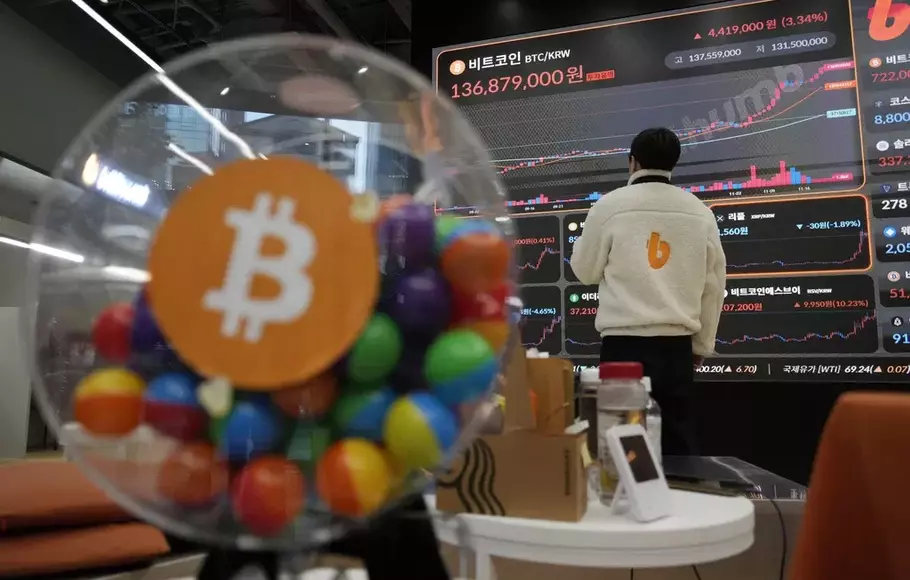
Photo: Jakarta Globe
Global Trade Anxiety Spreads Across Financial Markets
Growing tension in global trade relations has begun to ripple across financial systems worldwide, and the cryptocurrency sector has not remained immune. Investors who once viewed digital assets as a hedge against traditional instability are now reacting cautiously as uncertainty deepens. Bitcoin, often considered the psychological anchor of the crypto economy, has slipped to its lowest level in three weeks, reflecting a broader shift in sentiment rather than an isolated market movement.
Bitcoin Price Movement Reflects Investor Caution
The recent decline in Bitcoin value highlights how sensitive the asset has become to macroeconomic narratives. As trade disagreements intensify among major economic powers, traders are moving capital into safer instruments, reducing exposure to volatile assets such as cryptocurrencies. This behavior has contributed to a noticeable slowdown in bullish momentum that had previously supported steady upward price action.
Liquidity Shifts and Market Reaction
Liquidity flows within the crypto ecosystem have changed significantly during this period of uncertainty. Large holders and institutional participants appear to be repositioning portfolios, leading to reduced buying pressure and increased short term selling. These shifts are often amplified by algorithmic trading systems, which react quickly to negative macro signals and accelerate downward price movement.
Impact on the Broader Cryptocurrency Market
Bitcoin rarely moves in isolation, and its drop has influenced the wider digital asset environment. Major alternative cryptocurrencies have mirrored the decline as market confidence weakened. The interconnected structure of crypto markets means that when Bitcoin struggles, sentiment across decentralized finance, tokens, and blockchain based assets tends to soften, creating a chain reaction of cautious trading.
Role of Institutional Investors in Current Volatility
Institutional involvement has grown significantly in recent years, and their influence is visible in moments like this. Large financial players tend to respond strongly to geopolitical and economic uncertainty. When trade tensions rise, institutional strategies often shift toward capital preservation, which can temporarily reduce exposure to digital assets and amplify market volatility.
Macroeconomic Pressure and Digital Asset Narrative
Cryptocurrencies were once promoted as independent from traditional financial disruptions, yet current conditions show increasing correlation with global economic developments. Rising trade disputes affect currency strength, commodity flows, and inflation expectations, all of which indirectly influence digital asset valuation. This evolving relationship is reshaping how analysts interpret Bitcoin behavior during periods of international tension.
Psychological Factors Driving Market Sentiment
Market psychology plays a crucial role in crypto price movement. Fear and uncertainty can spread rapidly across digital trading communities, especially when global headlines highlight economic friction. Social sentiment indicators show a rise in cautious outlooks, with traders waiting for clearer signals before committing new capital. This pause in confidence contributes to reduced trading volume and slower recovery attempts.
Technical Indicators and Market Structure
From a technical perspective, Bitcoin approaching a three week low has brought attention to key support zones. Analysts are closely monitoring whether the asset can stabilize at current levels or if further downside pressure may emerge. Market structure suggests consolidation may follow, allowing participants to reassess direction once macroeconomic clarity improves.
Long Term Outlook Despite Short Term Weakness
While the present decline has drawn attention, many long term investors remain optimistic about Bitcoin fundamentals. The underlying blockchain network continues to operate securely, adoption trends remain positive, and institutional infrastructure supporting digital assets is still expanding. Temporary macro driven volatility has historically not altered the broader growth narrative of cryptocurrency.
Future Market Direction and Investor Focus
Looking ahead, market participants are watching both geopolitical developments and financial policy responses. Any easing in global trade tension could restore investor confidence and encourage renewed capital inflow into digital markets. Until then, Bitcoin and the wider crypto sector may continue to experience cautious trading behavior shaped by macroeconomic uncertainty rather than internal technological weakness.
Popular articles



Subscribe to unlock premium content
Disney’s Timeless Magic and How the Entertainment Giant Continues to Shape Culture and Innovation

Imran Khan’s Economic Missteps Amid Political Chaos in Pakistan

The Philippines’ Digital Shift How Remittances and BPO Are Fueling Growth

Disney’s Timeless Magic and How the Entertainment Giant Continues to Shape Culture and Innovation
Imran Khan’s Economic Missteps Amid Political Chaos in Pakistan
Disney’s Timeless Magic and How the Entertainment Giant Continues to Shape Culture and Innovation