Bitcoin Faces Rising Volatility Risk in March
By
David Goldfarb
Last updated:
March 9, 2026
First Published:
March 9, 2026


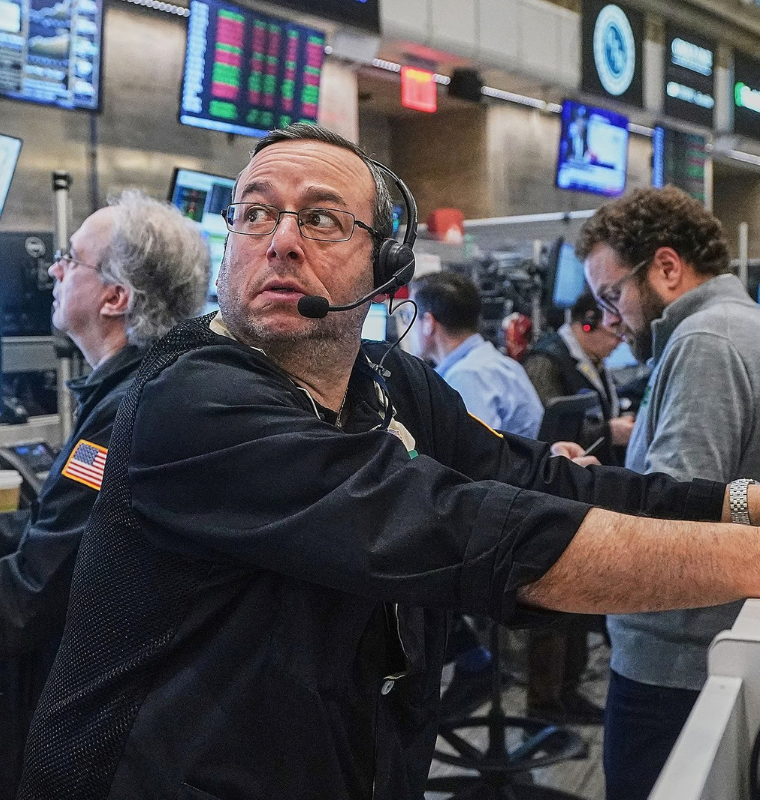
Photo: The Indian Express
Growing Concerns Around Market Stability
Bitcoin has entered a period of heightened uncertainty as analysts warn that the flagship cryptocurrency could experience significant volatility throughout March. After a strong performance earlier in the year, the market is now navigating a complex mix of macroeconomic signals, investor sentiment shifts, and technical price levels that may determine the next major move.
Market observers note that Bitcoin has been trading within a relatively tight range over the past several weeks. While this stability has reassured some investors, it has also created conditions that often precede large price swings. Historically, periods of consolidation in the cryptocurrency market tend to end with sharp breakouts either upward or downward.
The possibility of a ten percent move in either direction has therefore become a central topic of discussion among traders and analysts.
Macroeconomic Pressure Continues to Influence Crypto
Global financial conditions continue to play an important role in shaping the direction of the cryptocurrency market. Inflation trends, interest rate expectations, and geopolitical uncertainty all influence investor behavior across both traditional and digital asset markets.
When economic uncertainty rises, investors often reconsider their risk exposure. Some shift funds away from volatile assets while others increase allocations to alternatives like Bitcoin that are sometimes viewed as a hedge against economic instability.
This complex relationship means that Bitcoin’s price movements are increasingly tied to developments in global financial markets. As institutional investors expand their participation in crypto, the asset class becomes more sensitive to macroeconomic trends.
Technical Indicators Signal Potential Breakout
Technical analysts have identified several important levels that could determine Bitcoin’s short term trajectory. When a market remains trapped within a narrow trading range for an extended period, pressure gradually builds between buyers and sellers.
Eventually this pressure tends to release through a strong directional movement. Traders closely monitor support and resistance levels in order to anticipate the moment when the market may break out of its consolidation pattern.
In the current environment analysts believe that a decisive move above resistance could trigger renewed bullish momentum. On the other hand a breakdown below key support levels could accelerate selling pressure.
Institutional Participation Adds New Dynamics
The increasing involvement of institutional investors has introduced additional layers of complexity to the cryptocurrency market. Large financial firms often deploy sophisticated trading strategies that include hedging, derivatives trading, and portfolio rebalancing.
These strategies can amplify market movements when executed at scale. For example institutional traders may adjust positions rapidly in response to economic data releases or shifts in global risk sentiment.
While institutional capital has helped bring stability and legitimacy to the crypto sector, it has also created new forms of volatility driven by large scale trading activity.
Retail Investors Remain Highly Active
Despite the growing presence of institutions, retail traders continue to play a significant role in cryptocurrency markets. Individual investors often react quickly to news, price movements, and social media discussions.
This behavior can accelerate market swings when large groups of traders enter or exit positions simultaneously. In periods of uncertainty retail sentiment tends to fluctuate rapidly, contributing to short term volatility.
The combination of institutional strategies and retail participation creates a unique market structure that differs from traditional financial markets.
Market Psychology Shapes Short Term Movements
Investor psychology is one of the most powerful forces driving cryptocurrency price action. Fear and optimism can spread quickly within the digital asset community, influencing trading behavior across global markets.
When traders anticipate a potential breakout, many begin positioning themselves in advance. This anticipation can intensify volatility as the market approaches critical price levels.
Psychological factors such as fear of missing out and panic selling frequently amplify market trends once a major move begins.
Liquidity Conditions and Trading Volume
Liquidity remains a crucial factor in determining how sharply prices move during periods of volatility. In highly liquid markets large trades can be absorbed with relatively small price impact. However when liquidity decreases even moderate trading activity can trigger rapid price changes.
Cryptocurrency markets operate continuously across global exchanges, which means liquidity conditions can vary depending on regional trading hours and market sentiment.
Analysts are closely watching trading volumes to determine whether sufficient liquidity exists to support stable price movements in the coming weeks.
The Role of Derivatives Markets
Derivatives trading has become a major component of the cryptocurrency ecosystem. Futures and options contracts allow traders to speculate on price movements or hedge existing positions.
These instruments can amplify volatility when large numbers of leveraged positions accumulate in the market. If prices move sharply in one direction, forced liquidations of leveraged positions can accelerate the trend.
Many analysts believe that derivatives markets will play a crucial role in determining how Bitcoin reacts during the next phase of volatility.
Long Term Investors Maintain Confidence
While short term volatility remains a concern, many long term investors continue to view Bitcoin as a valuable component of diversified portfolios. The digital asset has developed a reputation as a store of value and an alternative financial system independent of traditional banking structures.
Long term holders often remain less concerned about short term fluctuations, focusing instead on broader adoption trends and technological development within the blockchain ecosystem.
This steady base of long term investors can help stabilize the market during periods of intense trading activity.
Outlook for the Weeks Ahead
As March progresses, the cryptocurrency market appears poised for a potentially decisive moment. Bitcoin’s current consolidation phase suggests that a significant move may be approaching as market forces build beneath the surface.
Whether the next breakout leads to renewed bullish momentum or a temporary correction will depend on a combination of economic developments, investor sentiment, and technical market signals.
For traders and investors alike, the coming weeks may provide critical insight into the strength and resilience of the cryptocurrency market in an increasingly complex global financial environment.

Popular articles



Subscribe to unlock premium content
Disney’s Timeless Magic and How the Entertainment Giant Continues to Shape Culture and Innovation

Imran Khan’s Economic Missteps Amid Political Chaos in Pakistan

The Philippines’ Digital Shift How Remittances and BPO Are Fueling Growth

Disney’s Timeless Magic and How the Entertainment Giant Continues to Shape Culture and Innovation
Imran Khan’s Economic Missteps Amid Political Chaos in Pakistan
Disney’s Timeless Magic and How the Entertainment Giant Continues to Shape Culture and Innovation